Albuquerque Farmers Market Neighborhoods: How the Rail Yards Market and Nob Hill Corridor Shape Lifestyle Buyer Decisions in 2026
If you spend enough Saturday mornings wandering the Rail Yards Market on Isleta Boulevard SW, you start to notice something beyond the green chile jam vendors and the guy who always sells out of fresh tortillas by 10 a.m. You notice people scoping out neighborhoods. They're clutching coffee from one of the pop-up roasters, talking about how far the walk was from wherever they parked, and quietly doing the math on what it would mean to actually live close to this. That's not a coincidence. Albuquerque farmers market neighborhoods have become a genuine filter for a growing segment of buyers in 2026, people who want their weekly routine to include real food, walkable streets, and a sense of community that doesn't require a car.
This isn't a trend imported from Portland or Austin. It's rooted in something Albuquerque has always had: a deep, unapologetic relationship with local food culture. From the green chile harvest in the South Valley to the generations of families who've been buying from the same produce vendors at the Downtown Growers' Market on Robinson Park, food access here is personal. What's shifted is how much that access now influences Albuquerque lifestyle real estate decisions.
Albuquerque Farmers Market Neighborhoods Buyers Are Targeting in 2026
The two anchors drawing the most attention right now are the Rail Yards Market on the south end of Downtown and the Nob Hill Corridor stretching along Central Avenue from roughly Girard to Washington. Both offer something different, and the buyers gravitating toward each tend to have different lifestyles in mind.
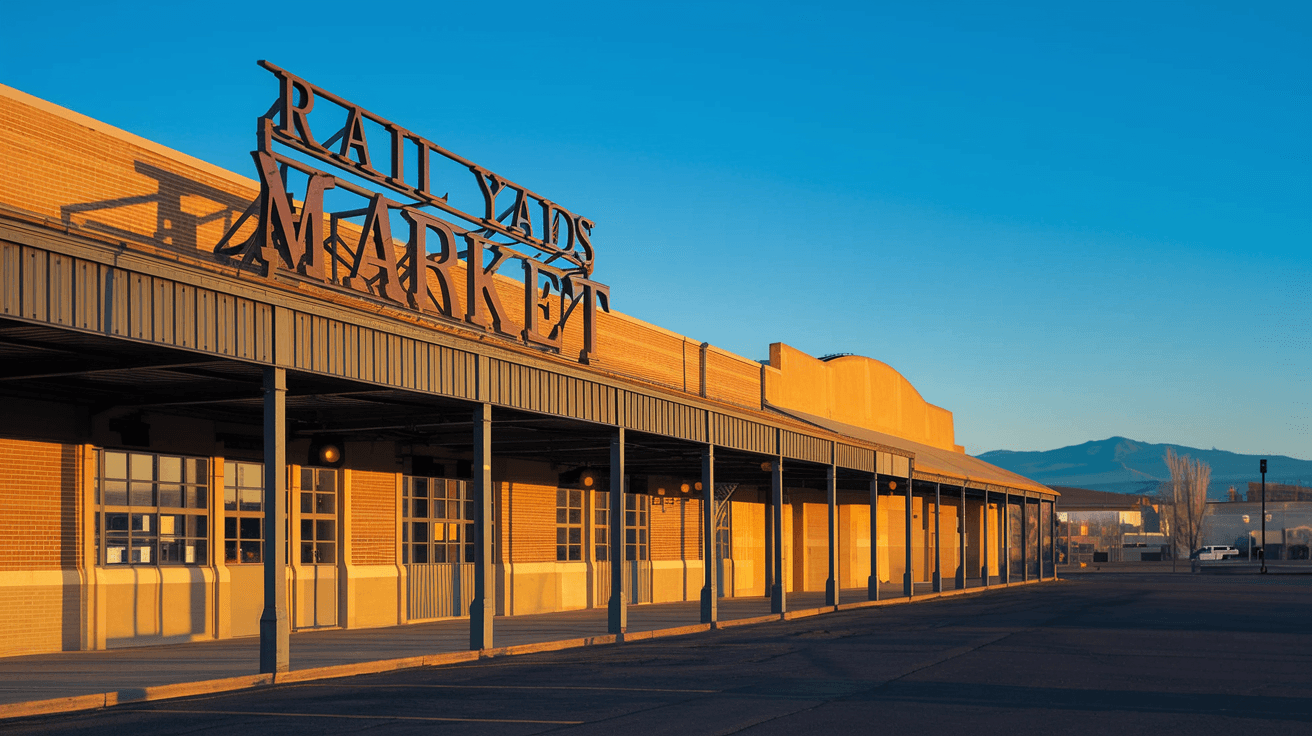
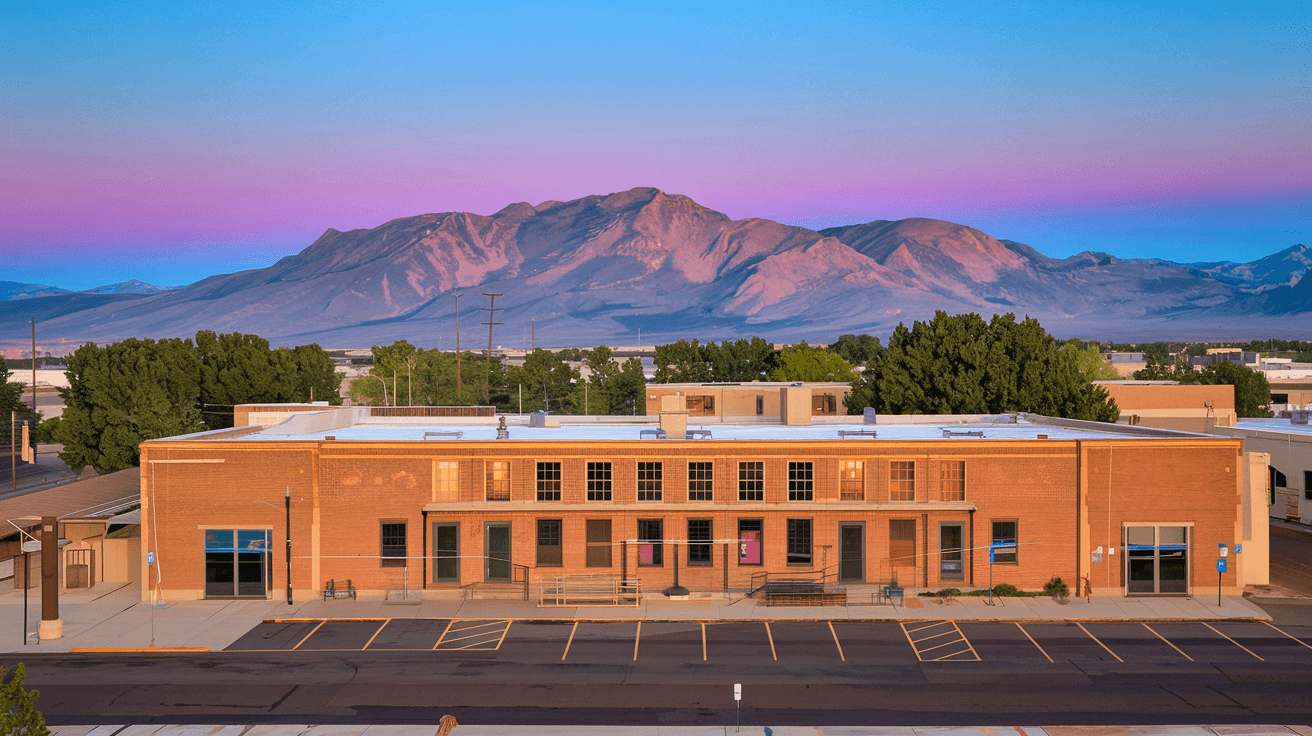
The Rail Yards Market, held inside the historic Atchison, Topeka and Santa Fe Railway complex, runs seasonally from May through October on Sunday mornings. It's become one of the most distinctive market experiences in the Southwest, partly because of the vendors and partly because of the setting. Exposed steel, brick, and a sprawling indoor-outdoor layout give it a feel that's genuinely unlike anything else in the city. Buyers looking at Barelas, the South Valley, and Downtown Albuquerque residential pockets are increasingly citing the market as part of what makes the area feel livable.
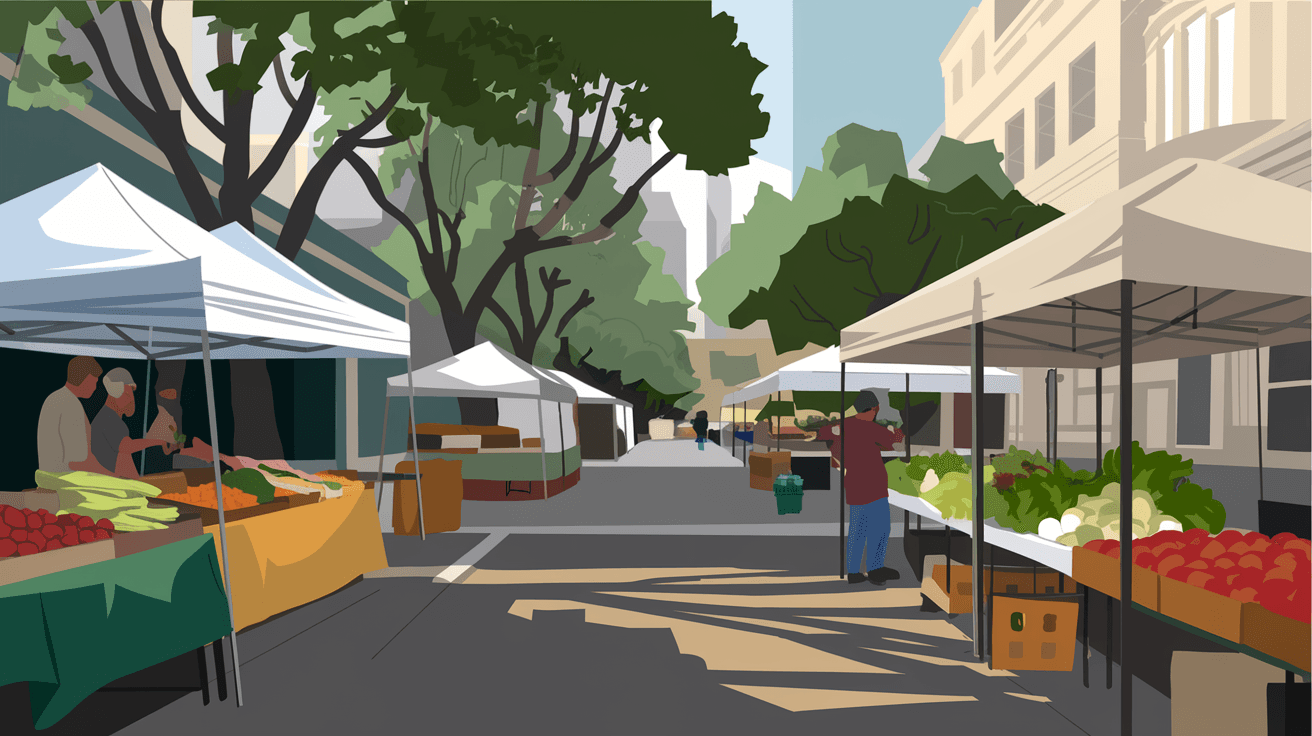
Nob Hill is a different story. The market draw there is less about a single weekly event and more about the density of year-round local food access. The Nob Hill Growers' Market runs on Saturdays along the Central median, but what really anchors the lifestyle is the broader ecosystem: La Montanita Co-op on Central, the independent restaurants and cafes that cycle in and out of the corridor, and a walkability score that's rare for Albuquerque. When buyers ask about the best neighborhoods in Albuquerque for walkable food in 2026, Nob Hill comes up in almost every serious conversation.
What Lifestyle Buyers Actually Mean When They Say Food Access
It's worth pausing on what buyers mean when they say food access matters to them, because it's not just about convenience. For the demographic driving this conversation in Albuquerque, food access is shorthand for a whole cluster of values.
- •Walkability to at least one farmers market or co-op without needing a car
- •Local vendor relationships, the kind where you know the farmer's name and they remember how you like your tamales
- •Cultural authenticity, which in Albuquerque specifically means access to New Mexican food traditions, not just trendy produce
- •Community ritual, the Saturday morning routine that makes a neighborhood feel like a neighborhood
- •Reduced dependence on big-box grocery chains, especially as more buyers prioritize buying from vendors within the Rio Grande agricultural corridor
The insider thing to know here: the Downtown Growers' Market at Robinson Park on Saturday mornings is technically the oldest and most established of the bunch, and it draws serious vendors who don't always make it to the trendier markets. If you're buying in the EDo neighborhood or along Lead and Coal, that market is your anchor and it's genuinely underrated compared to the Rail Yards in terms of vendor quality per square foot.
“"For a lot of buyers we work with in 2026, the question isn't just 'how are the schools' or 'what's the commute.' It's 'can I walk to a farmers market on Saturday morning.' That question tells you everything about what kind of neighborhood someone actually wants to live in."
Nob Hill Real Estate and the Walkable Food Premium
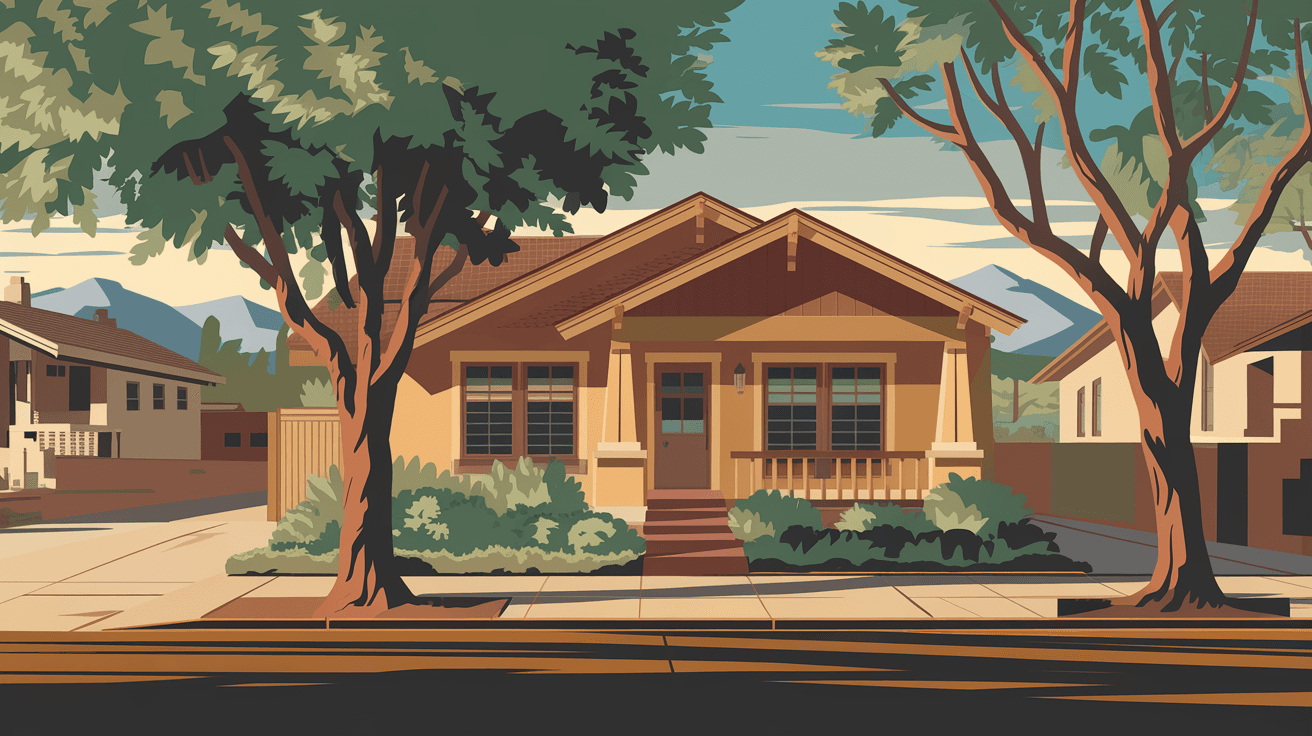
Nob Hill sits at a median home price of around $398,000 in 2026, which reflects both its location and its lifestyle premium. Homes here are a mix of mid-century bungalows, updated craftsman styles, and the occasional adobe that's been in the same family for decades. The streets between Central and Lomas, roughly from Carlisle to Washington, offer some of the most genuinely walkable blocks in the city.
What makes Nob Hill compelling for lifestyle buyers isn't just the Growers' Market on Saturday mornings. It's the density of options that exist between market days:
- •La Montanita Co-op on Central Avenue, which has been a neighborhood institution since before walkability was a real estate term
- •Independents like Tractor Brewing, Nob Hill Bar and Grill, and the rotating cast of cafes along the strip
- •The proximity to Trader Joe's on Louisiana for the mid-week fill-in run
- •Bike access to the Paseo del Bosque Trail for buyers who want to combine their food access with an actual outdoor lifestyle
The school district for Nob Hill falls under Albuquerque Public Schools, with Highland Elementary, Wilson Middle School, and Highland High School serving the area. For buyers with kids, that's worth researching carefully, but for the lifestyle buyers driving the food access conversation, the school question is often secondary to the neighborhood feel.
Barelas and the South Valley: The Rail Yards Market Effect on Home Prices
The Rail Yards Market has done something interesting to the conversation around Barelas and the adjacent South Valley neighborhoods. These are areas that have historically been undervalued relative to their location, sitting just south of Downtown with easy access to I-25 and the Paseo del Bosque. The market, which draws thousands of visitors on a good Sunday morning, has put a spotlight on what residents already knew: this part of Albuquerque has character, history, and a food culture that predates every trend.
Barelas in particular is worth watching. The housing stock is older, the lots tend to be generous, and the prices still reflect a neighborhood in transition rather than one that's already arrived. Buyers who want to be within a 10-minute walk of the Rail Yards Market, in a neighborhood with genuine New Mexican roots, are starting to pay attention. The South Valley acequia system and the agricultural land that still exists just west of the river give the area a relationship with local food production that no urban farmers market can replicate.
If you're a buyer thinking about long-term value in Albuquerque lifestyle real estate, the Rail Yards corridor is the kind of bet that makes sense when you look at what's happened to other neighborhoods that got a consistent weekly anchor event. The market itself isn't going anywhere, the building is a landmark, and the surrounding neighborhood is still priced like it's 2019 in some blocks.
How the Taylor Team Thinks About Food Access and Neighborhood Fit
When we're working with buyers who lead with lifestyle questions, the farmers market conversation usually comes up in the first meeting. It sounds like a soft preference but it's actually a useful diagnostic. Someone who wants to walk to a market on Saturday morning wants a specific kind of neighborhood density, a specific relationship with their surroundings, and usually a specific price range and housing type that goes along with it.
For buyers prioritizing the Rail Yards Market, we're typically looking at:
- •Barelas, where you can still find sub-$300,000 homes with character
- •Downtown Albuquerque condos and lofts for buyers who want zero maintenance
- •South Valley properties for buyers who want land and proximity to the acequia culture
For buyers anchored to the Nob Hill Corridor and the Nob Hill Growers' Market, the conversation usually centers on:
- •The blocks between Central and Lomas from Carlisle to Washington
- •The Ridgecrest and Morningside neighborhoods just north of Central for slightly quieter streets with the same walkability
- •University-adjacent blocks for buyers who want to be close to both the UNM campus energy and the Nob Hill strip
If you're in the early stages of figuring out which Albuquerque farmers market neighborhood actually fits your life, the Taylor Team is genuinely good at this conversation. Reach out and we'll meet you at the market if that's what it takes.
Local Food Access as a Long-Term Real Estate Value Driver
Zooming out from the Saturday morning routine, there's a real argument that proximity to farmers markets and local food ecosystems is becoming a durable value driver in Albuquerque real estate, not just a lifestyle preference that cycles in and out of fashion.
The data from comparable markets nationally suggests that neighborhoods with consistent, walkable food access tend to hold value better through market corrections. In Albuquerque specifically, the combination of the city's agricultural heritage, the growing local food movement along the Middle Rio Grande, and the increasing number of remote workers choosing ABQ for quality of life means the buyers asking these questions aren't a niche. They're a growing share of the market.
The Rail Yards building itself is a significant piece of that equation. It's not a parking lot with tents. It's a historic structure with cultural weight, and the city has invested in it accordingly. That permanence matters when you're making a 30-year housing decision.
“"Albuquerque has always known how to feed itself. The green chile, the acequia water, the generations of farmers at the same markets. What's new is that buyers from outside the city are finally figuring out what locals have always taken for granted."
The best Albuquerque farmers market neighborhoods in 2026 are the ones where the market is a reflection of the neighborhood's character, not an amenity bolted on from outside. Nob Hill and the Rail Yards corridor both qualify. That's not something you can say about every walkable food trend in every city, and it's a real part of why these specific neighborhoods are worth paying attention to right now.
Want more insider intel?
Subscribe to get market updates and new articles delivered to your inbox.