
Albuquerque Housing Market Report: July 2026 — Cash Buyer Share by Price Band: How Investors, Relocators, and Downsizers Are Competing Without Financing Contingencies This Summer
Albuquerque Housing Market Report: July 2026 — Cash Buyer Share by Price Band: How Investors, Relocators, and Downsizers Are Competing Without Financing Contingencies This Summer
The story of Albuquerque's housing market in June 2026 is not simply one of prices rising or inventory shifting. It is a story about who is buying, how they are paying, and what that means for the thousands of families trying to navigate a market that looks balanced on the surface but plays very differently depending on your price point. The metro median landed at $385,000 — up 3.5% year-over-year — but that single number masks a competition dynamic that is reshaping offer strategy across the city's most active price bands.
Cash buyers, a category that spans California relocators cashing out coastal equity, Sandia Labs and Kirtland AFB retirees downsizing into the Northeast Heights, and institutional investors picking off Rio Rancho rentals, now represent an estimated 28–32% of closed transactions in the $300,000–$500,000 range. That is not a record, but it is elevated for summer, a season when financed buyers historically dominate. Understanding where cash is concentrated — and where it is not — is the most actionable intelligence a buyer or seller can have right now.
Albuquerque Real Estate Market Overview: June 2026 Headline Numbers
The metro closed June with 3,850 active listings, a figure that represents modest loosening compared to the inventory-starved winters of 2022 and 2023 but remains well below the 6,000-plus listings that defined a balanced Albuquerque market pre-pandemic. Months of supply sits at 4.9, technically approaching balanced territory (six months is the benchmark), but that aggregate obscures a two-speed market: homes priced below $350,000 are moving in under three weeks, while properties above $600,000 are sitting for two months or longer.
The list-to-sale ratio of 97.8% tells you sellers still have leverage — buyers are not clawing back much at the negotiating table — but they are no longer waiving inspections wholesale the way they were in 2021. The average 34 days on market is up from 27 days in June 2025, a meaningful deceleration that signals buyers have regained some breathing room, particularly at the upper end of the price spectrum.
New listings added in June came in at approximately 1,020, while closed sales reached 790. That gap — more homes entering the market than closing — is why inventory is gradually building. It is a slow build, not a flood, and it should not be read as a market turning soft. Demand remains structurally supported by Albuquerque's employment base, its relative affordability against Phoenix and Denver, and continued in-migration from higher-cost metros.

Albuquerque Housing Inventory and Supply Trends
Inventory in Albuquerque has been building slowly since February, but the composition of what is coming to market matters as much as the raw count. A disproportionate share of the new listings added in June were priced above $450,000 — move-up sellers who bought during the low-rate era and are now testing the market, often with unrealistic price expectations anchored to 2022 comps.
Below $350,000, the inventory picture remains genuinely tight. There were fewer than 480 active listings in that price band across the entire metro at the end of June, serving a buyer pool that is deep and competitive. First-time buyers, FHA borrowers, and income-constrained households are still fighting over a limited supply of starter homes, and that is where cash buyers — particularly investors acquiring single-family rentals — are doing the most damage to financed buyer prospects.
The Rio Rancho submarket deserves specific attention here. Inventory in Rio Rancho has ticked up slightly, with roughly 310 active listings across all price points, but new construction from builders like DR Horton and Centex is absorbing demand that might otherwise flow back into the resale pool. Builder incentive programs — rate buydowns, closing cost assistance — are creating a parallel market that is siphoning buyers away from resale inventory and keeping overall competition for existing homes manageable.
“"Inventory is building in Albuquerque, but it is building in the wrong places for most buyers. The homes that families actually need — three bedrooms, two baths, under $350,000 — are still scarce. What is accumulating is overpriced move-up inventory that sellers have not yet adjusted to current demand."
Albuquerque Home Prices by Tier: Where the Competition Is Hottest
Breaking the market into price tiers reveals the structural imbalance that the metro median conceals.
$200,000–$300,000: Cash Investor Territory
This band is the most contested in the metro and the most hostile to financed buyers. Homes priced between $200,000 and $300,000 — concentrated in the South Valley, the International District along Central Avenue, and parts of the West Side near Unser Boulevard — are attracting buy-and-hold investors, fix-and-flip operators, and out-of-state buyers who have studied Albuquerque's rental yield data. Cash offers in this band are estimated to represent 38–42% of closings. Median price per square foot in this tier runs approximately $168–$182, and homes are going under contract in an average of 18–22 days. Financed buyers competing here need to be pre-approved, not just pre-qualified, and should expect to waive appraisal gaps up to $10,000–$15,000 to remain competitive.
$300,000–$400,000: The Battleground Band
This is where Albuquerque's market is most active by transaction volume and where the cash buyer phenomenon is most consequential. The metro median sits squarely in this range, and it attracts the broadest buyer mix: move-up locals, relocating professionals from California and Texas, military families at Kirtland AFB using VA loans, and downsizing empty-nesters who have sold larger homes and are re-entering with equity. Cash share here is approximately 28–32%. Median price per square foot runs $195–$215. Homes in the Northeast Heights, Taylor Ranch, and the Westgate neighborhood that fall in this band are averaging 26–30 days on market — competitive but not frantic.
$400,000–$500,000: Where Financed Buyers Regain Ground
Above $400,000, the pool of all-cash buyers narrows meaningfully. Institutional investors largely exit this tier (the math on rental yields deteriorates), and the remaining cash buyers are primarily equity-rich relocators and retirees. This creates a more level playing field for financed buyers with strong pre-approvals. Median price per square foot in this range is $225–$245, and days on market stretch to 32–40 days. Sellers in this band are more willing to negotiate on price and terms than at lower tiers.
$500,000 and Above: A Buyer's Market in the Making
The upper end of the Albuquerque market — Corrales horse properties, High Desert custom homes, and the gated enclaves off Academy Road — is experiencing the most significant softening. Active listings above $500,000 have grown 18% since January, and days on market in this tier now average 58–75 days. Price reductions are common, with sellers adjusting an average of 2.1% from original list price before finding a buyer. This is the one segment where buyers hold genuine negotiating leverage, and patient, well-capitalized buyers are finding value.
Days on Market: Reading the Velocity Signal
The metro average of 34 days on market is the right number to know but the wrong number to act on. Velocity varies so dramatically by price point and neighborhood that using the metro average as your benchmark will lead to strategic miscalculation.
Homes priced correctly below $350,000 in high-demand neighborhoods are still generating multiple offers in the first weekend. A well-presented three-bedroom ranch on Comanche Road NE or a remodeled mid-century on the east side of Nob Hill is not sitting for 34 days — it is going under contract in 10–14 days, often over asking. Buyers who show up to these listings expecting to schedule a second showing, sleep on it, and submit a measured offer are losing to buyers who move with urgency.
Conversely, the luxury and semi-luxury segment is testing seller patience. A $750,000 custom home in High Desert that would have sold in 21 days in the spring of 2024 is now sitting for 60-plus days. Sellers in this tier who priced to last year's market are being forced to confront that 2026 buyers at that price point have options — and they are exercising them.
Albuquerque Neighborhood-by-Neighborhood Breakdown: June 2026
Northeast Heights
Median price: $342,000 | Days on market: 22 | YoY price change: +4.8%
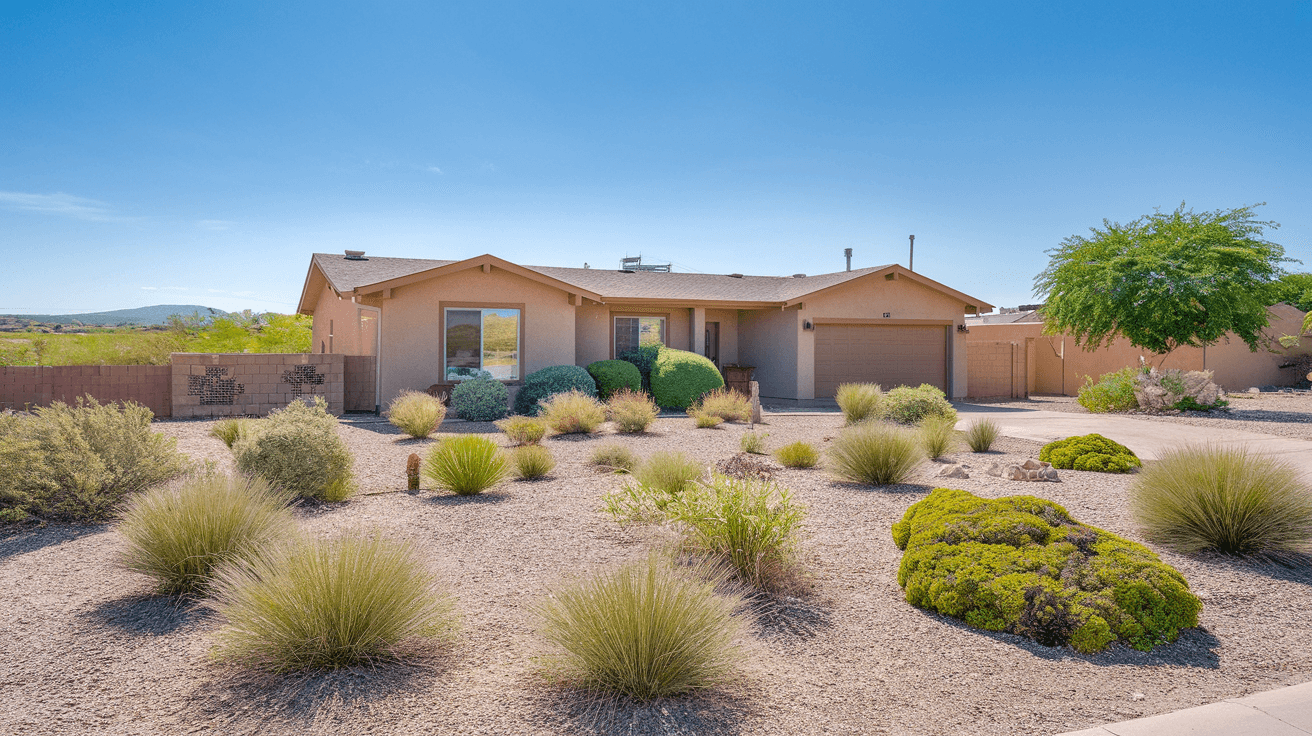
The Heights remains Albuquerque's most liquid market. Inventory here turns over faster than almost anywhere else in the metro, driven by demand from Kirtland AFB personnel, UNM Medical Center employees, and families who value access to the Tramway, the Foothills trail system, and the Juan Tabo corridor schools. Cash buyers are active but not dominant — roughly 25% of closings. The sub-$350,000 segment along streets like Hannett Avenue NE and Wyoming Boulevard NE is the most competitive, with multiple offer situations still common.
Nob Hill
Median price: $410,000 | Days on market: 29 | YoY price change: +3.5%
Nob Hill continues to attract buyers who want walkability, character architecture, and proximity to the Central Avenue restaurant corridor. The neighborhood's bungalows and Spanish Colonials command a premium over comparable square footage elsewhere in the city. The buyer pool here skews toward remote workers, creative professionals, and younger buyers willing to pay for lifestyle. Cash share is moderate at approximately 22%, and the market is balanced — sellers get fair value, buyers get reasonable time to conduct due diligence.
North Valley
Median price: $455,000 | Days on market: 38 | YoY price change: +2.9%
The North Valley's acreage properties along Rio Grande Boulevard and the agricultural corridors near Montano Road are attracting a specific, patient buyer — one who wants land, horses, and mature cottonwood canopy. This is not a fast market, and it should not be. Buyers here are deliberate, and sellers who understand that will price accordingly and wait for the right match. The 38-day average DOM is healthy for this submarket.
Rio Rancho
Median price: $315,000 | Days on market: 26 | YoY price change: +5.1%
Rio Rancho is the affordability pressure valve for the metro, and it continues to absorb demand that the Albuquerque proper market cannot accommodate at lower price points. The Intel facility on Rio Rancho Boulevard, even with its reduced operational footprint, still anchors significant employment and supports housing demand in the northern reaches of the city. New construction is active, and resale inventory is competitive. Cash investors are increasingly present in the $250,000–$320,000 range.
Corrales
Median price: $615,000 | Days on market: 52 | YoY price change: +2.2%
Corrales is its own market — semi-rural, horse-friendly, and governed by a village that actively limits density. Properties along Corrales Road and the irrigation ditch network are selling slowly but steadily. The buyer for Corrales is not in a hurry, and the inventory of genuinely distinctive properties — adobe construction, mature orchards, irrigated pasture — cannot be replicated. Sellers here should expect longer marketing periods and should resist the temptation to over-improve for resale.
High Desert
Median price: $680,000 | Days on market: 64 | YoY price change: +1.4%
High Desert, the master-planned community tucked against the Sandia foothills off Tramway Boulevard, is the clearest example of upper-end softening in the metro. The community's custom homes and Pueblo-style architecture remain aspirational, but the buyer pool for $650,000–$900,000 homes is thin and growing more selective. Sellers who priced aggressively in Q1 are taking reductions. The buyers who are closing here are largely cash or conventional with 30%+ down payments.
Downtown / EDo (East Downtown)
Median price: $375,000 | Days on market: 41 | YoY price change: +3.1%
The Albuquerque downtown and EDo corridor continues its slow-burn revitalization. The Rail Runner station, the growing concentration of food and beverage establishments along Gold Avenue and Central, and the city's continued investment in the Civic Plaza area are all supporting residential demand. Condos and townhomes in this submarket attract urban buyers and investors, though HOA costs and insurance premiums are creating headwinds for affordability.
Taylor Ranch
Median price: $358,000 | Days on market: 24 | YoY price change: +4.3%
Taylor Ranch on Albuquerque's West Side continues to punch above its weight in terms of demand. The neighborhood's relative affordability, good school access, and proximity to the Paseo del Norte corridor make it a natural landing zone for families relocating from out of state. Cash buyers are active here, particularly in the $300,000–$380,000 range, and financed buyers need to be prepared to move quickly on well-priced listings.
What This Market Means for Buyers and Sellers: June 2026
If You Are Selling in Albuquerque Right Now
The 97.8% list-to-sale ratio tells you the market is still rewarding correctly priced homes. The operative word is correctly. Sellers who anchor to 2022 peak comps or to what their neighbor got eighteen months ago are sitting on the market and eventually taking reductions that exceed what a realistic initial price would have cost them. The data is clear: homes priced within 2% of market value are closing in under 30 days and achieving the list-to-sale ratio. Homes priced 5% or more above market are sitting for 60-plus days and closing at 94–95 cents on the dollar.
Presentation matters more than it did two years ago. Buyers have options now — not a flood of options, but enough that they are walking away from homes that need work unless the price reflects it. Professional photography, pre-listing inspections, and light staging are not optional extras in this market; they are the baseline expectation for sellers who want to attract the cash and well-qualified conventional buyers that close cleanly.
If You Are Buying in Albuquerque Right Now
The cash buyer dynamic is real, but it is not insurmountable. Financed buyers who are losing to cash offers are typically losing for one of three reasons: they are not pre-approved with a local lender who can close in 21 days or less, they are writing offers with excessive contingency periods, or they are making lowball offers in segments where the data does not support it.
The most effective strategy for financed buyers competing against cash in the $300,000–$400,000 range is to work with a lender who offers a verified pre-approval (full underwriting, not just a rate quote), shorten the inspection period to 7 days, and use an escalation clause with a defined cap. Waiving the inspection entirely is not advisable and is rarely necessary — sellers in this market are not demanding it as a condition. What they want is certainty of close, and a strong pre-approval with a fast-close lender delivers that.
“"The buyers winning in Albuquerque right now are not the ones with the most cash — they are the ones with the best preparation. A fully underwritten pre-approval from a lender who closes in 18 days is worth more than an extra $5,000 on the offer price in most situations."
Above $500,000, the calculus shifts. Buyers in Corrales, High Desert, and the luxury segments of the Northeast Heights have genuine negotiating power. Request seller concessions. Commission a pre-offer appraisal if the listing has been sitting for 45-plus days. Inspect thoroughly and use the inspection as a negotiating tool. The market at this price point is working in your favor.
Looking Ahead: What to Expect in July and August 2026
Seasonal patterns in Albuquerque typically show a modest slowdown in transaction volume through July and August as the monsoon season arrives, temperatures peak, and families who needed to move before the school year have already closed. Expect new listing volume to ease slightly and days on market to tick up another 3–5 days at the metro level through August.
The interest rate environment remains the wild card. The 30-year conventional rate has been hovering in the 6.4–6.8% range through mid-2026, and any movement toward 6.0% would meaningfully expand the buyer pool for financed purchases — particularly in the $350,000–$450,000 range where payment sensitivity is highest. Watch the Federal Reserve's July meeting commentary closely.
Locally, several demand drivers bear watching. Sandia National Laboratories continues to expand its quantum computing and nuclear security programs, and the associated hiring is bringing high-income professionals into the market who are concentrated buyers in the $450,000–$700,000 range. The New Mexico film industry, now anchored by Netflix's Albuquerque Studios and the expanding production infrastructure along Edith Boulevard, is generating sustained demand for rental and owner-occupied housing from crew members and production staff who are establishing permanent roots in the city.
Kirtland AFB's Permanent Change of Station (PCS) season is winding down — most military buyers who needed to be in place by August 1st have already closed or are in contract. This will reduce VA loan volume in July and August, which may create slightly more breathing room for conventional buyers in the $300,000–$400,000 range.
Inventory is expected to continue its gradual build through the end of Q3, with the most meaningful additions coming in the $400,000–$600,000 range as move-up sellers who have been waiting for the "right time" grow impatient. This will benefit buyers at that price point and may create modest downward pressure on prices in the upper-middle tier.
Key Takeaways: Albuquerque Housing Market July 2026
- •
The metro median of $385,000 represents a 3.5% year-over-year gain, but price growth is heavily concentrated below $400,000 — the upper end is softening, with High Desert and Corrales averaging 52–64 days on market and sellers accepting reductions averaging 2.1% from list price.
- •
Cash buyers represent an estimated 28–42% of transactions depending on price tier, with the highest concentration in the $200,000–$300,000 band where investors and equity-rich relocators are outcompeting first-time financed buyers; financed buyers in this range must prioritize lender speed and pre-approval depth over offer price.
- •
Inventory at 4.9 months of supply approaches balanced territory at the metro level, but the sub-$350,000 segment remains effectively a seller's market with fewer than 480 active listings metro-wide — correctly priced homes in this range are still going under contract in 18–26 days.
- •
Rio Rancho leads all major submarkets in year-over-year price appreciation at 5.1%, driven by affordability-driven demand overflow from Albuquerque proper and continued employment anchored by the Intel campus and the city's growing healthcare sector.
- •
Sellers above $500,000 should recalibrate expectations — the days of rapid appreciation and waived contingencies at this price point have passed, and the buyers who are active in the luxury and semi-luxury segment are sophisticated, patient, and well-informed; overpricing by even 5% is now costing sellers 60-plus days and forced reductions that exceed the cost of accurate initial pricing.
Want more insider intel?
Subscribe to get market updates and new articles delivered to your inbox.