Albuquerque Monsoon Season Real Estate 2026: Flash Flood Zones, Arroyo Proximity, and Buying Smart on the Mesa
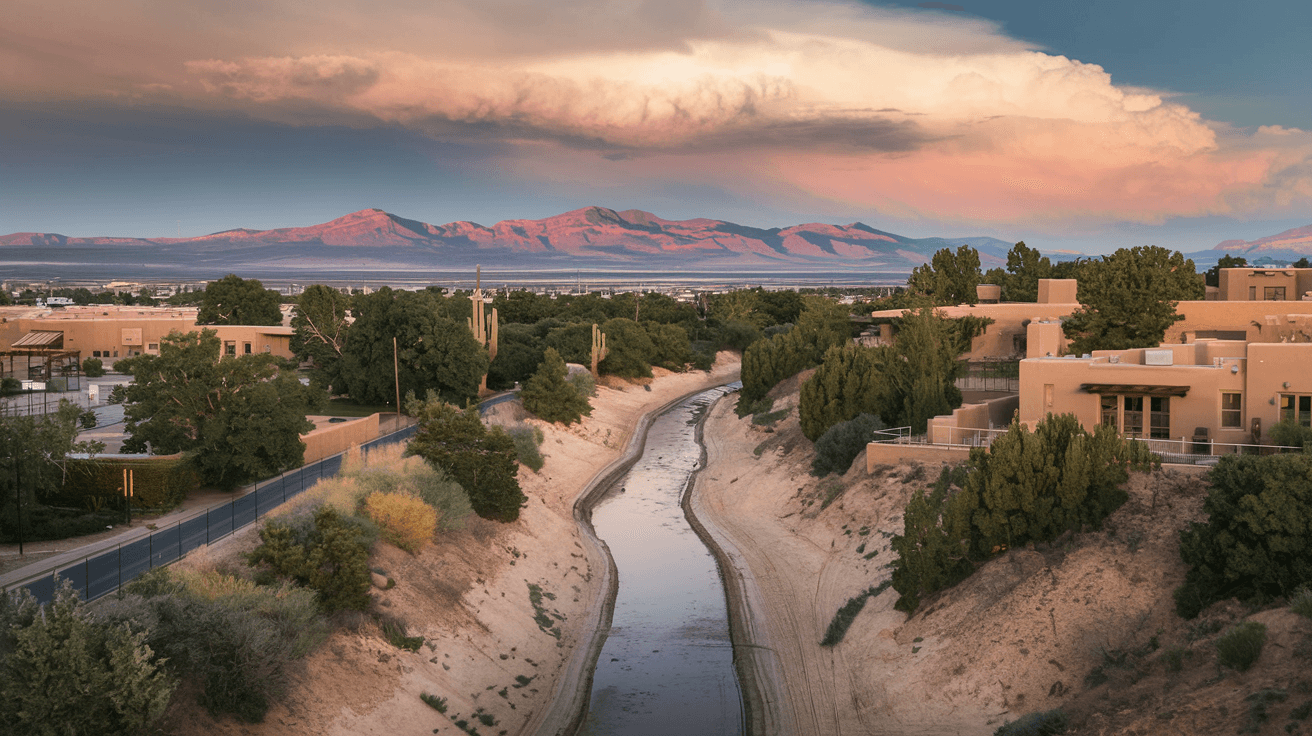
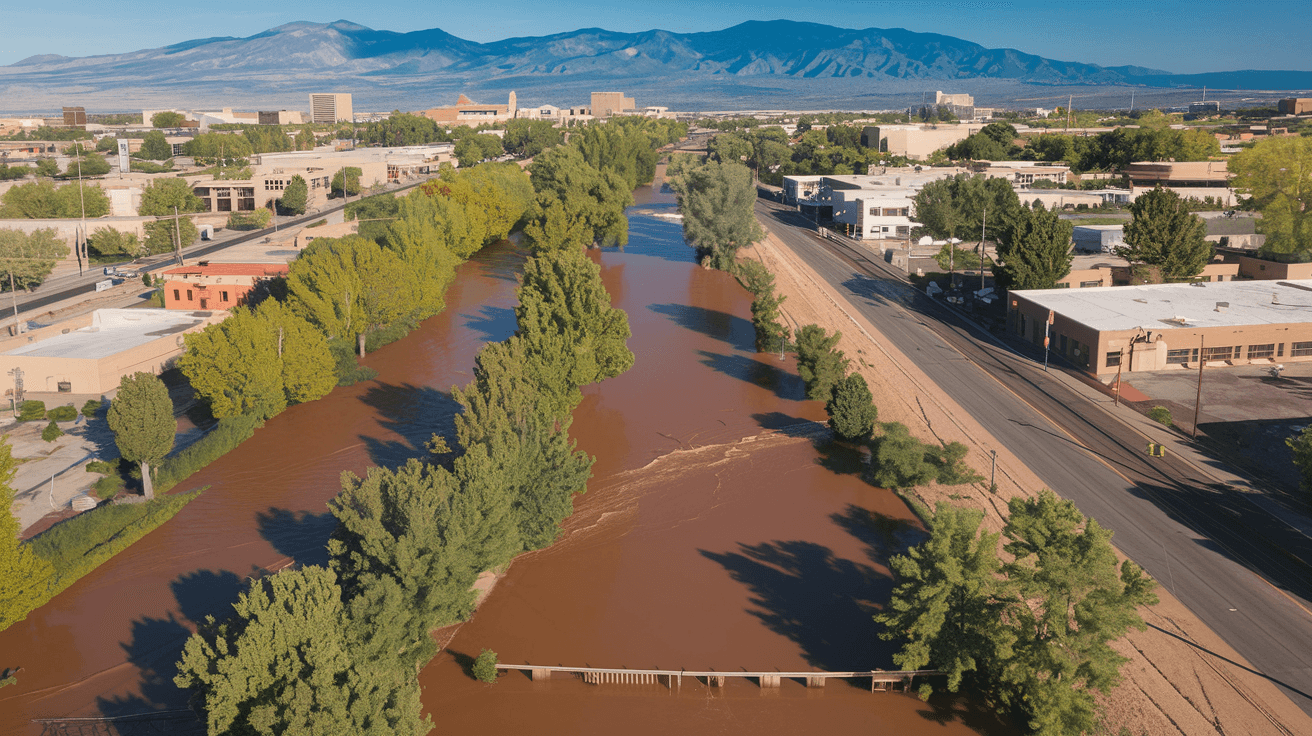
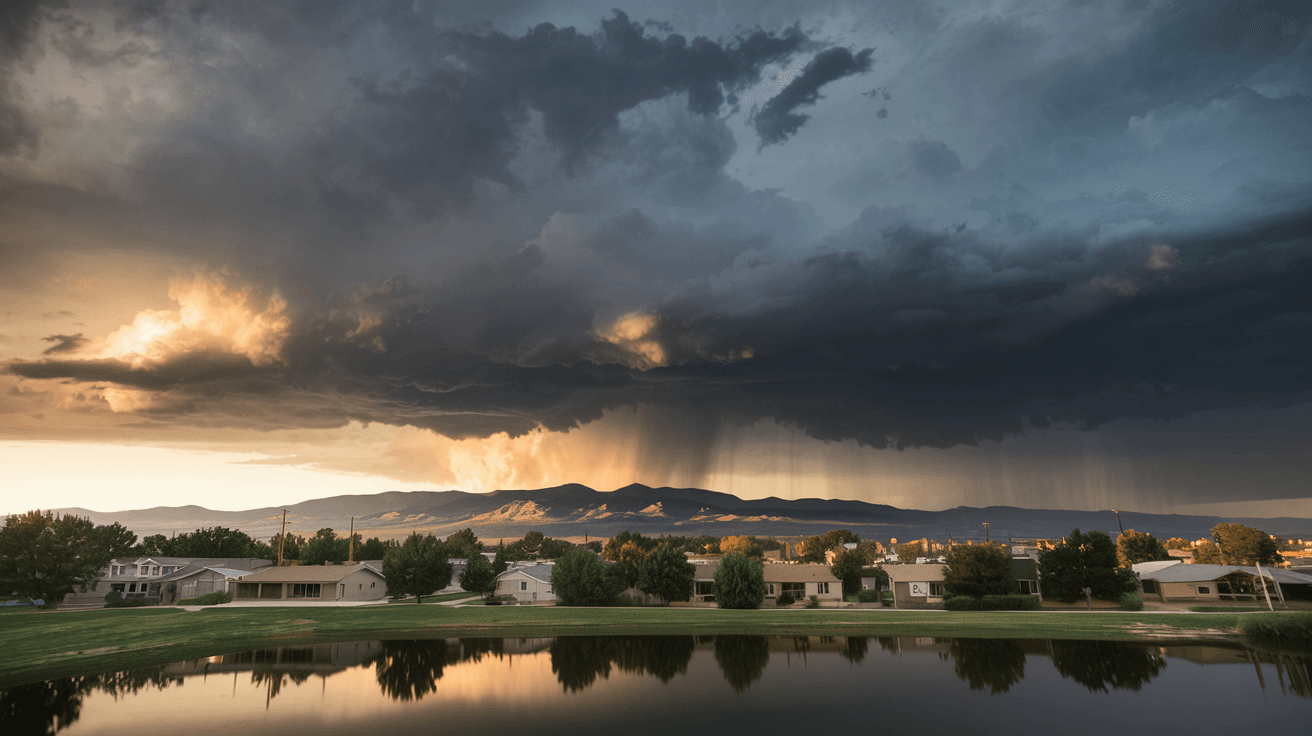
Every summer, right around the Fourth of July, Albuquerque shifts. The sky turns that particular shade of bruised purple over the Manzanos, the air smells like wet creosote and hot asphalt, and within twenty minutes of the first crack of thunder, the arroyos are running brown and fast. If you've lived here long enough, you know to pull over on Paseo del Norte and just watch. If you're buying a home here in 2026, you need to understand what that wall of water means for the property you're considering.
Albuquerque monsoon season real estate decisions are being made every week right now. With a metro median home price sitting at $385,000, an average of 34 days on market, and nearly 3,850 active listings across Bernalillo County, buyers have more options than they've had in a while. But more options means more chances to make a mistake, and few mistakes are costlier than buying in the wrong spot before you truly understand how this city drains.
Albuquerque Monsoon Season Real Estate Risks Every Buyer Should Understand
The North American Monsoon is not a weather event. It is a seasonal system that rewires how Albuquerque functions for roughly ten weeks, from late June through mid-September. Moisture flows up from the Gulf of California and the Gulf of Mexico, collides with the heat rising off the high desert, and produces afternoon and evening thunderstorms that can drop an inch of rain in twenty minutes on a watershed that has been baked bone-dry all spring.
The ground here does not absorb water the way it does in wetter climates. Caliche, that dense, calcium-carbonate layer just beneath the surface across much of the West Side, acts almost like concrete. Water that falls on the mesa has nowhere to go but downhill, fast, funneling into whatever channel is nearby.
This is why flash flooding in Albuquerque is not a rare emergency. It is a seasonal certainty. The question is never whether the arroyos will run. The question is whether your home is in the path when they do.
“Buying a home in Albuquerque without checking the flood zone map first is like buying a car without looking under the hood. The exterior might look perfect, but what's underneath tells the whole story.
Albuquerque Flood Zone Map 2026: What FEMA Says and What It Misses
FEMA maintains Flood Insurance Rate Maps (FIRMs) for Bernalillo County, and the City of Albuquerque has its own stormwater infrastructure data layered on top of that. The 2026 Albuquerque flood zone map updates reflect years of development on the West Mesa, and some of those updates have reclassified neighborhoods that buyers and even some agents assumed were safe.
Here is how to read the risk:
- •Zone AE designations mean the property sits within the 100-year floodplain. Federally backed mortgages require flood insurance here, and premiums have climbed sharply.
- •Zone X (shaded) is the 500-year floodplain. Lower risk, but not zero risk, especially in a city where monsoon intensity has been trending upward.
- •Zone X (unshaded) is considered minimal risk, but this is where buyers sometimes get overconfident.
What the FEMA maps do not fully capture is the localized drainage behavior of specific streets and subdivisions. The City of Albuquerque's Middle Rio Grande Conservancy District and Bernalillo County's Flood Control Authority maintain separate data, and cross-referencing both gives you a much clearer picture.
The insider tip that only longtime ABQ residents know: always look at Google Earth's historical imagery for any property you're serious about. Pull up the satellite view, switch to historical photos, and look for images taken in August or September of any year. You can often see water marks, saturated soil patterns, or standing water in yards and on streets that tell you exactly how a neighborhood drains after a storm. The listing photos are always taken on a perfect spring morning. The satellite archive shows you July.
Key Areas Where Flood Risk Affects Home Values
- •Properties within 300 feet of the North Diversion Channel near Paseo del Norte and Coors carry measurable insurance cost implications
- •The Calabacillas Arroyo corridor on the far Northwest Side has seen increased runoff pressure as Bernalillo and Rio Rancho development pushes water south
- •Near Montano Road and Coors, older subdivisions sit close enough to the bosque transition zone that buyers should request a full drainage study
- •The South Valley near Isleta Boulevard and Bridge Boulevard has historically dealt with both arroyo overflow and Rio Grande backwater during high-water years
Buying Near an Arroyo in Albuquerque: What the View Costs You
Arroyos are genuinely beautiful. If you've walked the Elena Gallegos Open Space or driven along Tramway Boulevard where it parallels the foothills drainage channels, you understand the appeal. Open sky, no neighbors behind you, sometimes a cottonwood canopy, and a sense of space that is hard to find in a developed subdivision.
That view comes with a transaction. Buying near an arroyo in Albuquerque means accepting several realities that should factor directly into your offer price and your long-term ownership math.
First, flood insurance. If the arroyo carries a FEMA designation, you may be required to carry it. If it does not, you may still want it, and the premiums for properties in or near Zone AE in Bernalillo County have increased significantly since the 2023 FEMA rate restructuring.
Second, erosion. Arroyos migrate. They widen. A property that sits comfortably back from the channel edge today may look different in fifteen years, particularly if upstream development has increased runoff volume and velocity. The City of Albuquerque has armored many channels with concrete or riprap, but not all of them, and the unlined natural channels are the ones that move.
Third, resale. Buyers in 2026 are more informed about climate risk than buyers were ten years ago. Homes adjacent to arroyos with documented flood history take longer to sell and sometimes require price reductions that the seller did not anticipate. With the current list-to-sale ratio at 97.8% across the metro, sellers are still in a relatively strong position, but arroyo-adjacent properties are the exception to that trend.
“The arroyo behind a house is not a greenbelt. It is a drainage system that was designed to carry water away from the city, and it does exactly that, right through your backyard if the conditions are right.
How July Storms Should Inform Where You Buy on the Mesa
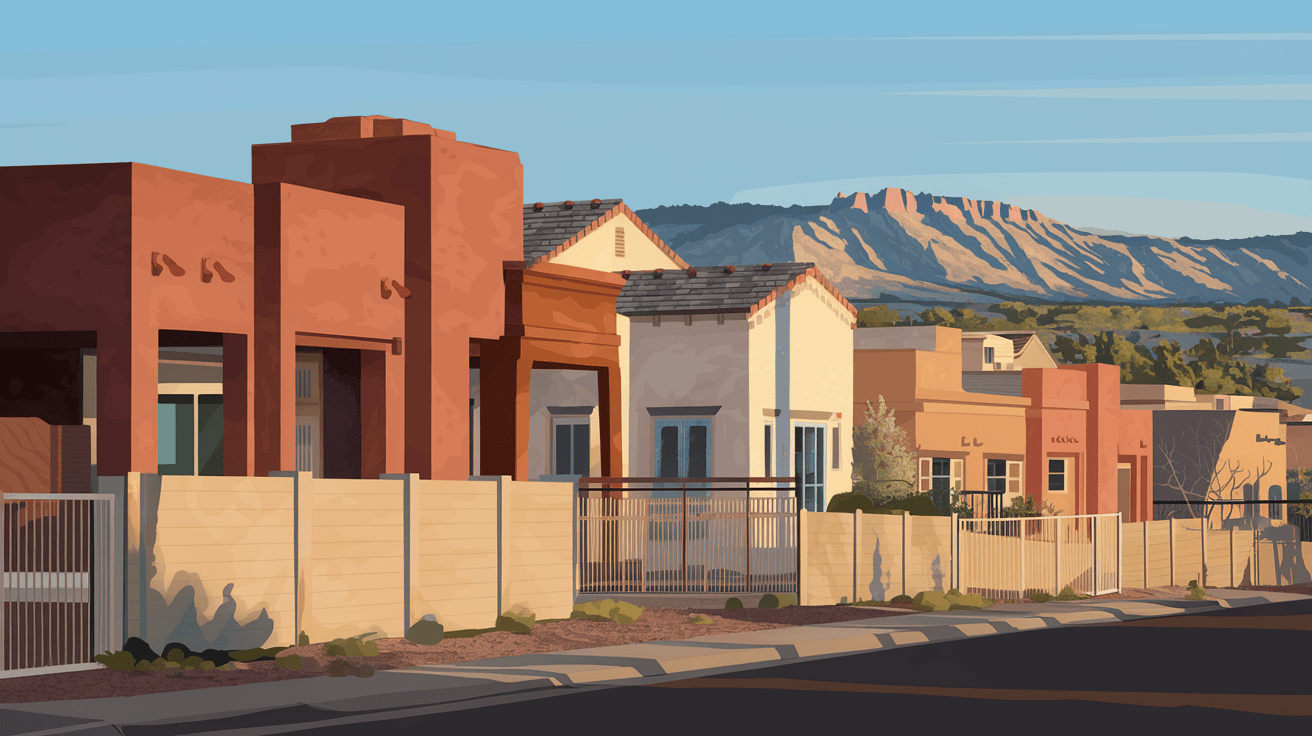
The West Mesa is where a significant portion of Albuquerque's new construction has happened over the past decade. Subdivisions stretching out along Unser Boulevard, Paseo del Volcan, and toward Ventana Ranch and Lomas Tramway have absorbed thousands of new residents. The mesa itself drains in multiple directions, and the drainage infrastructure varies significantly by subdivision age and developer.
Here is what to look at before you buy anywhere on the West Side:
- •Detention ponds: Newer subdivisions are required to include engineered detention basins that capture and slowly release stormwater. Look for them on the subdivision plat and confirm they are properly maintained by the HOA or the city.
- •Street grade and curb height: Drive the neighborhood after a rain. Streets that pool water indicate drainage design issues that compound over time.
- •Proximity to mesa edges: The escarpment along the West Mesa drops steeply toward the Rio Grande bosque in several places. Properties near those edges can experience concentrated sheet flow during heavy storms.
- •HOA stormwater disclosures: Some West Side HOAs have assessments tied to drainage infrastructure maintenance. Ask for the reserve study.
With 4.9 months of inventory in the current market, buyers have enough time to do this due diligence without losing the house to another offer the same afternoon. That is a meaningful shift from the frenzied pace of 2021 and 2022, and it is an opportunity to slow down and ask the right questions.
If you are working with an agent who tells you not to worry about the arroyo or that the flood zone designation is not a big deal, that is the moment to get a second opinion. The Taylor Team has walked these arroyos, driven these streets after monsoon storms, and knows which subdivisions have drainage problems that do not show up on any map.
Due Diligence Checklist for Monsoon-Season Home Buying
- •Pull the FEMA flood zone designation using the property's address before the inspection period
- •Request the Seller's Property Disclosure and look specifically for any history of water intrusion, flooding, or drainage issues
- •Check Bernalillo County's flood control authority records for any drainage complaints associated with the address or subdivision
- •Ask your home inspector to evaluate the lot grading, downspout discharge direction, and any signs of historical water infiltration in the garage or along the foundation
- •If the property is adjacent to an unlined arroyo, consider hiring a separate drainage consultant for a site assessment
- •Confirm whether flood insurance is required and get a premium quote before you remove inspection contingencies
Albuquerque Monsoon Season Real Estate Strategy: Timing and Opportunity
Here is the part that most buyers do not consider: monsoon season is actually a good time to buy. Not despite the storms, but because of what they reveal.
If you can schedule showings or second visits during or immediately after a significant rain event in July or August, you will learn more about a property in twenty minutes than you would from three dry-weather visits. You will see exactly how the lot drains, whether the driveway floods, how the street handles runoff, and whether the neighbors' landscaping is pushing water toward the house you are considering.
Most buyers avoid house hunting in the rain. That is exactly why doing it gives you an edge.
The market data supports taking your time right now. With 34 days average on market and nearly 3,850 active listings, the urgency that defined the pandemic-era market has eased. You have room to request a second showing after a storm. You have room to ask for an extended inspection period. Use it.
The Taylor Team at Berkshire Hathaway HomeServices knows Albuquerque's neighborhoods the way only people who have lived and worked here for years can. If you are thinking about buying in 2026 and you want honest, specific guidance about flood risk, arroyo proximity, and which parts of the mesa have the drainage infrastructure to back up the price tag, reach out. We would rather have that conversation over coffee before you sign than after the first July storm.
Albuquerque is a remarkable place to own a home. The key is knowing exactly which home, and exactly where, before the monsoon decides for you.
Want more insider intel?
Subscribe to get market updates and new articles delivered to your inbox.