Albuquerque Outdoor Lifestyle 2026: How the Sandia Mountains, Rio Grande Bosque, and High Desert Trails Shape Where Buyers Choose to Live
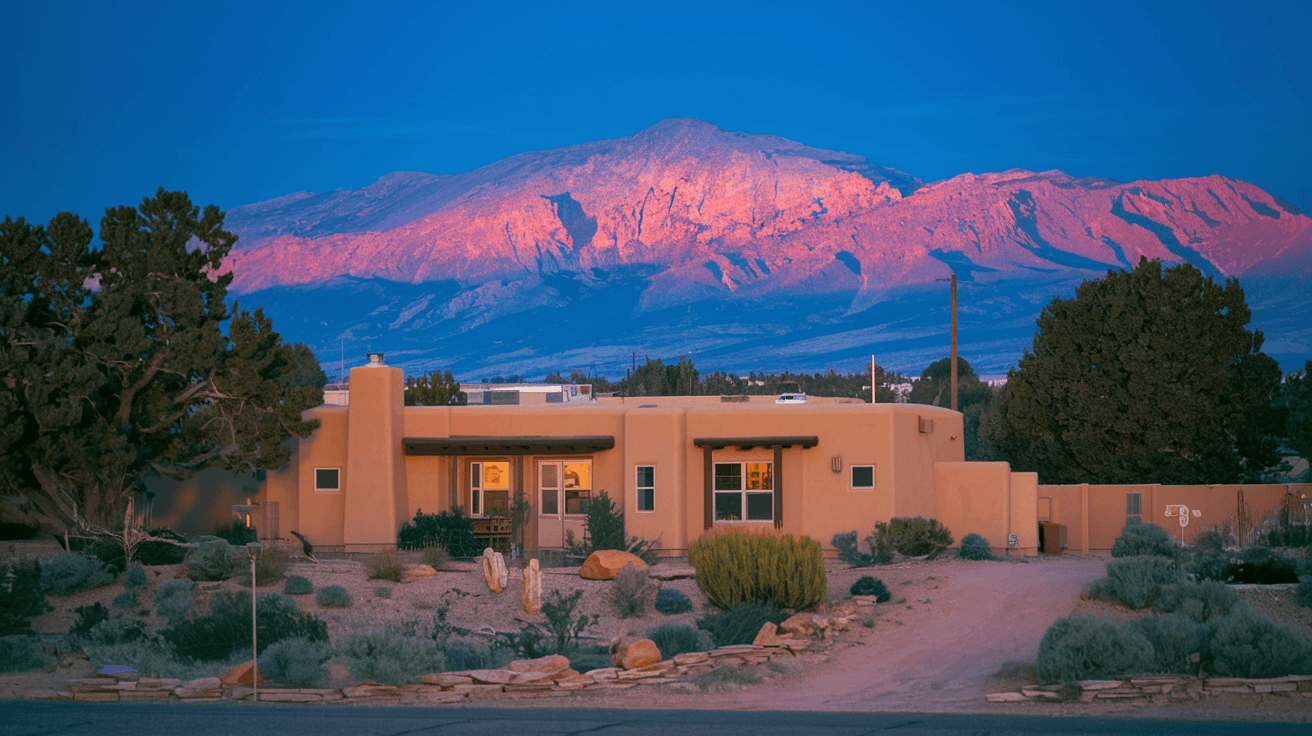
There is a moment, usually around 6 a.m. on a Tuesday, when you realize why people who move to Albuquerque almost never leave. You are standing at the Elena Gallegos trailhead, the Sandias glowing that impossible watermelon-pink they are famous for, the air cool and dry at 6,000 feet, and the city is still quiet below you. That is the outdoor lifestyle Albuquerque offers every single morning — not as a weekend reward, but as a daily baseline.
In 2026, that reality is reshaping the real estate market in ways that are impossible to ignore. Buyers are not just asking about square footage and school ratings anymore. They are asking: How far is the nearest trailhead? Can I mountain bike to work? Is there a bosque path I can walk with my dog before the kids wake up? The answers to those questions are pointing buyers toward specific corridors and neighborhoods — and understanding that geography is the first step to finding a home that genuinely fits your life here.
Outdoor Lifestyle Albuquerque: Why Nature Access Is Now a Top Buying Criterion
Albuquerque sits at the intersection of three distinct natural ecosystems — the Sandia Mountains to the east, the Rio Grande Bosque running north to south through the city's heart, and the West Mesa high desert stretching toward the volcanic escarpment. Most cities have one signature outdoor feature. Albuquerque has three, and they are all accessible from residential neighborhoods within minutes.
The data backs up what we see on the ground. Homes within a half-mile of established trail access are selling faster and holding value more consistently than comparable properties without that proximity. Buyers relocating from Denver, Austin, and the Bay Area arrive already knowing the Tramway corridor, already having Googled the Paseo del Bosque trail. They are not discovering the outdoor lifestyle here — they are choosing Albuquerque specifically because of it.
What has shifted in 2026 is how precisely buyers are mapping trail access before they even schedule a showing. They want to know:
- •Walking or biking distance to the Paseo del Bosque Trail (a paved 16-mile path through the cottonwood forest)
- •Proximity to Elena Gallegos Open Space or the Embudo Trail for morning hikes
- •Access to the Foothills Trail System, which connects dozens of routes along the mountain's western face
- •Visibility of the Sandias from the backyard or main living spaces
- •Neighborhood elevation, which affects both views and temperature — a real consideration when you are outside year-round
Hiking Near Albuquerque Homes: The Neighborhoods That Deliver True Trail Access
Not all trail access is created equal, and this is where local knowledge matters. There is a difference between living near a trail and living where the trail is genuinely part of your daily rhythm.
High Desert: The Gold Standard for Sandia Mountain Access
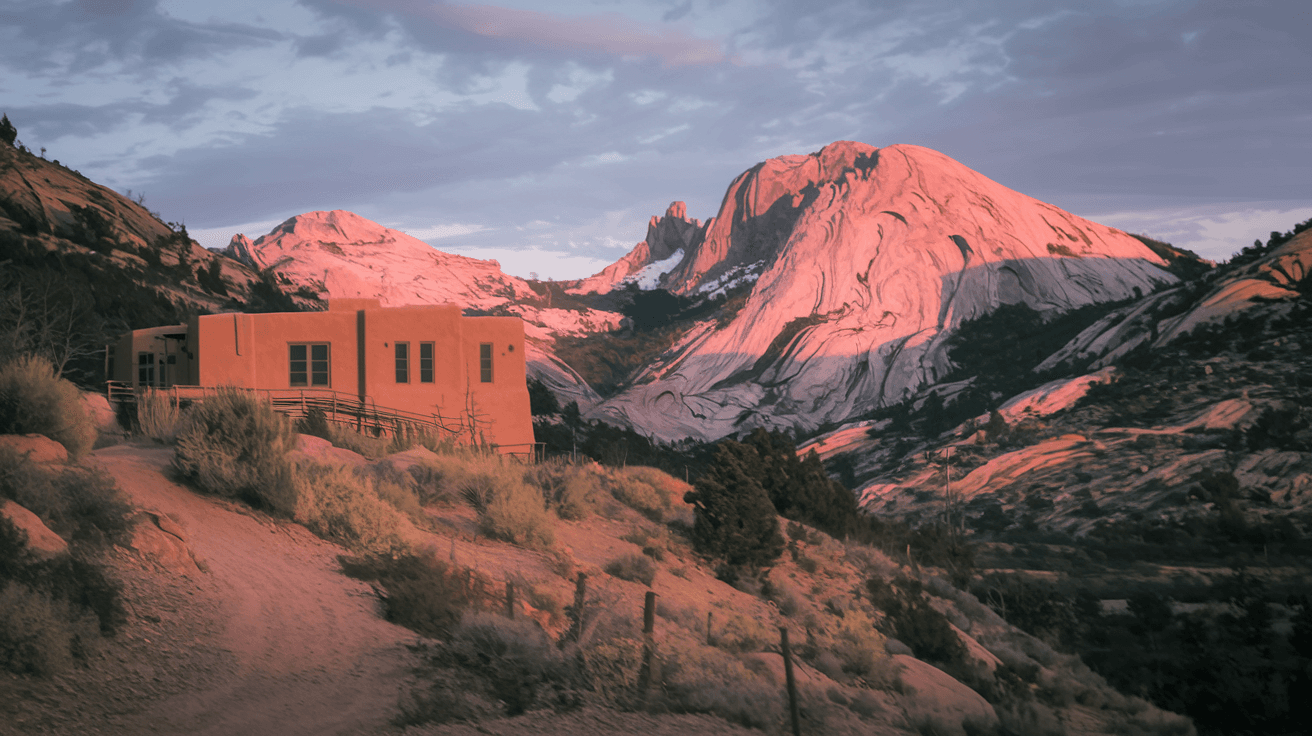
High Desert sits on the northeast bench of the city, tucked against the Sandia foothills at elevations approaching 6,200 feet. This is not a neighborhood where you drive to the trailhead — you walk out your back gate. The Embudo Trail, the Pino Trail, and the network of open-space paths maintained by the City of Albuquerque are essentially an extension of the neighborhood itself.
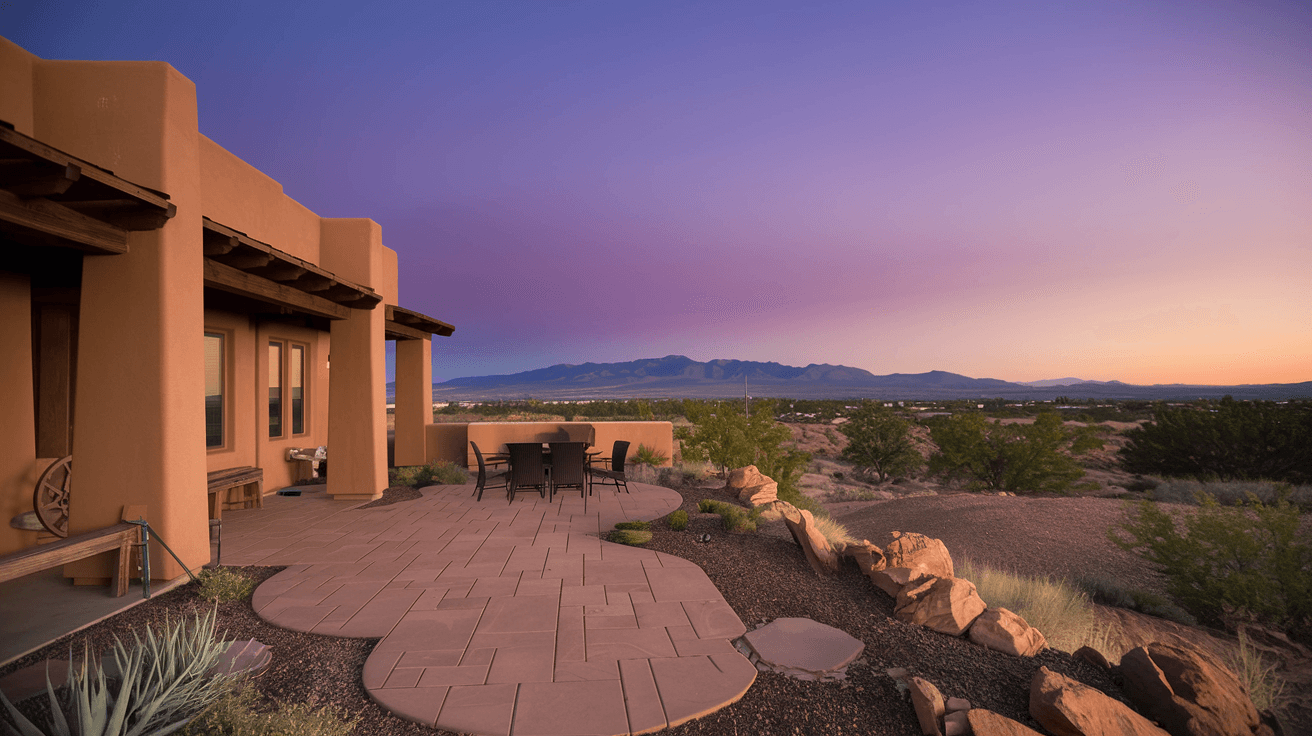
With a median home price around $685,000, High Desert commands a premium that is directly tied to this access. Homes here are larger, the lots are generous, and the architectural standards keep the neighborhood cohesive — a mix of contemporary Southwest and traditional adobe-influenced design that photographs beautifully against the mountain backdrop. Families are drawn here partly because of the La Cueva High School district, one of the strongest in APS, but the trail access is what makes residents stay for decades.
“"In High Desert, the mountain is not a view — it is your backyard. Residents here measure distance in trail minutes, not miles."
The insider tip worth knowing: the Domingo Baca Trail, which originates near High Desert, gets significantly less foot traffic than the more popular Elena Gallegos routes despite offering comparable terrain and elevation gain. If you live in High Desert and want a quiet weekday morning hike without passing forty people, that is your trail.
Tramway Corridor and Northeast Heights: Accessible Foothills Without the Premium
For buyers who want Sandia access without the High Desert price point, the Tramway Boulevard corridor — running from Montgomery northeast toward the base of the mountains — offers solid foothills access at lower price points. Neighborhoods like Four Hills and the areas around Copper Avenue NE put you close to the Foothills Trail System and within a short drive of the Sandia Peak Tramway, the longest aerial tram in North America.
This area also gives you quick access to Nob Hill and Central Avenue for the kind of post-hike breakfast that Albuquerque does exceptionally well — think the green chile breakfast burrito at Weck's or coffee at Zendo Coffee on Gold Avenue.
Rio Grande Bosque Neighborhoods: A Different Kind of Outdoor Lifestyle Albuquerque
The bosque experience is genuinely different from the mountain experience, and buyers who are drawn to it tend to be a specific kind of outdoor person. The Rio Grande Bosque is flat, shaded, and alive in a way that surprises people who expect high desert to mean sparse. Cottonwood trees forty feet tall line the river corridor, sandhill cranes stop here during migration, and the Paseo del Bosque trail connects the entire city north to south through this green ribbon.
Neighborhoods with strong bosque access include:
- •Los Ranchos de Albuquerque, the small incorporated village north of the city with horse properties and direct bosque paths
- •North Valley, where streets like Rio Grande Boulevard NW run parallel to the river and residents have informal access points steps from their driveways
- •Barelas and Sawmill, both historic neighborhoods near Downtown that have seen significant investment and offer bosque access combined with proximity to the Albuquerque BioPark and the National Hispanic Cultural Center
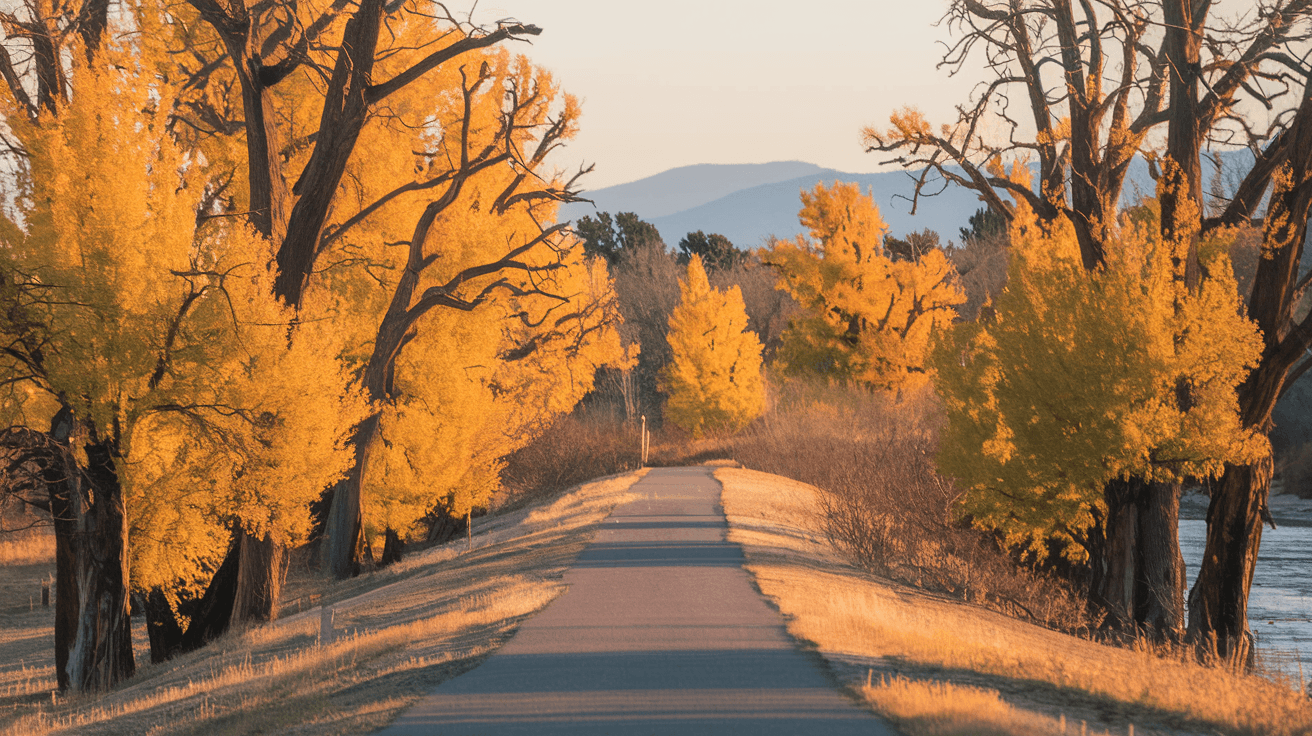
The bosque lifestyle tends to attract buyers who prioritize daily, accessible movement over technical outdoor recreation. You are not going to summit anything from the North Valley, but you can walk or bike ten miles through one of the most ecologically rich urban corridors in the Southwest before your morning meeting.
Albuquerque Nature Trails Neighborhoods: West Mesa and the Volcanic Escarpment
The west side of Albuquerque does not get enough credit in outdoor lifestyle conversations, and that is partly why it still offers value. The Petroglyph National Monument runs along the volcanic escarpment on the west side of the city, and neighborhoods like Ventana Ranch, Cabezon, and areas along Unser Boulevard have direct access to monument trails where you are walking among 20,000-year-old volcanic rocks etched with centuries of indigenous art.
This is a completely different outdoor experience from the Sandias or the bosque — wide open, high desert, with views back toward the city and mountain that are frankly stunning at sunrise. The Rinconada Canyon Trail within the monument is one of the most underrated morning walks in the metro area, and the neighborhoods around it are priced significantly below the northeast side.
For buyers who work in Rio Rancho or along the Paseo del Norte corridor, the west side outdoor lifestyle makes practical sense too. You get trail access, larger lots, newer construction, and a commute that does not require crossing the river.
“"The west side trails are where Albuquerque's outdoor lifestyle is most honest — no crowds, no parking fees, just basalt, sky, and the whole city laid out in front of you."
How Trail Access Affects Home Values and Long-Term Investment
This is the conversation that matters most when you are making a six-figure decision. Trail access proximity is not just a lifestyle amenity — it functions as a long-term value driver in the Albuquerque market. Here is what we observe consistently:
- •Homes in High Desert and the Tramway foothills have maintained stronger appreciation rates than comparable homes without mountain access
- •Walkable bosque access in North Valley and Los Ranchos commands a consistent premium over neighborhoods just a few blocks further from the river
- •As remote work continues to normalize, buyers are prioritizing lifestyle infrastructure — trails, open space, parks — at levels that rival school district access
- •Inventory near established trail systems moves faster, meaning less negotiating leverage for buyers but stronger equity protection for owners
The practical implication: if you are buying in Albuquerque and you have any interest in the outdoor lifestyle here, buying closer to the trail is almost always the right long-term financial decision, not just the quality-of-life decision.
Working With Agents Who Actually Know These Trails
Here is something that matters more than most buyers realize: your real estate agent should be able to tell you which trails are crowded on Saturday mornings, which ones flood after monsoon rains, and which neighborhoods have informal open-space access that does not show up on any listing description. That local knowledge is the difference between buying a home near a trail and buying a home that integrates with the outdoor life you actually want to live.
The Taylor Team at Berkshire Hathaway HomeServices works in this market every day, and the outdoor lifestyle question comes up in nearly every buyer conversation we have. If you are trying to figure out which Albuquerque neighborhood fits how you want to spend your mornings and weekends, that is exactly the kind of conversation we are here for. Reach out and we will walk through the geography with you — sometimes literally.
Albuquerque's outdoor lifestyle is not a marketing pitch. It is the reason people choose this city over a dozen other options, and it is the reason they stay. The Sandias, the bosque, the volcanic west mesa — they are not backdrop. They are the point. Finding a home that puts you inside that landscape, rather than just near it, is what makes the difference between a house in Albuquerque and a life here.
Want more insider intel?
Subscribe to get market updates and new articles delivered to your inbox.