Albuquerque Outdoor Lifestyle Summer 2026: Monsoon Hiking Windows, Bosque Trails, and the Neighborhoods Buyers Are Choosing
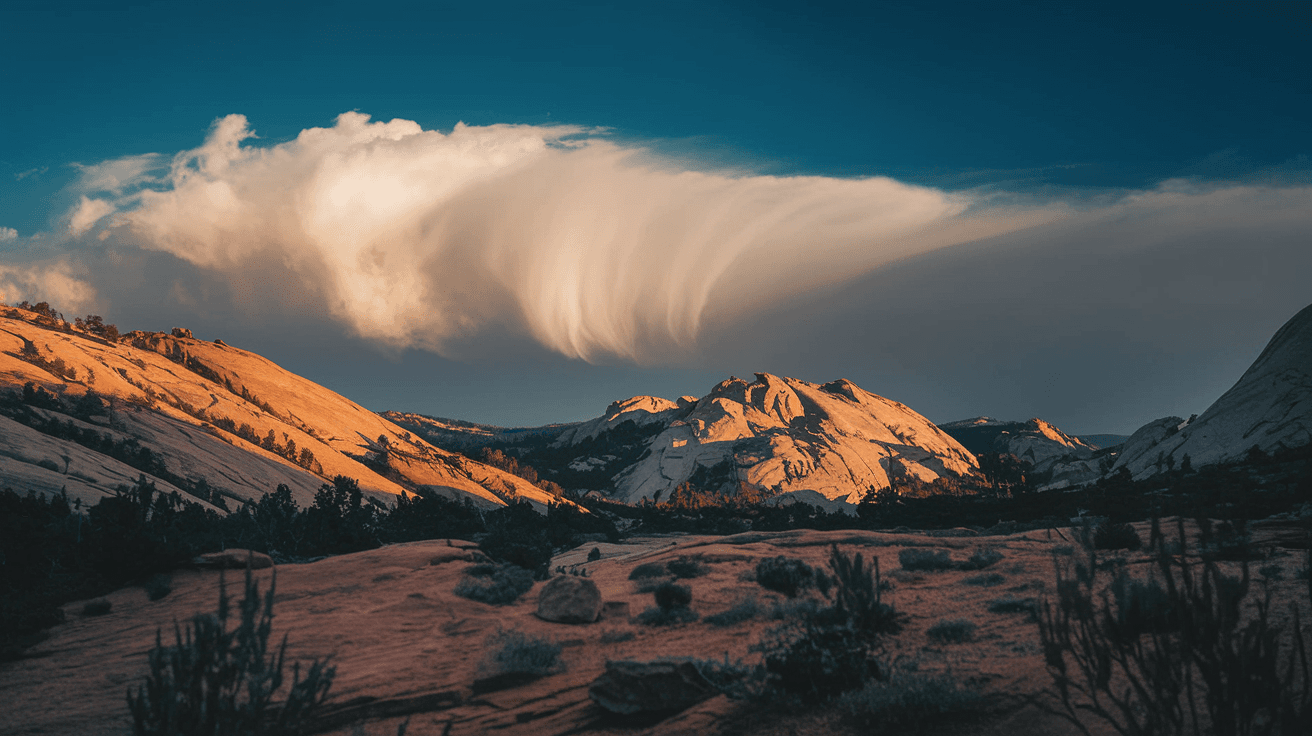
If you have spent any real time in Albuquerque during July, you already know the rhythm. Mornings are golden and dry, afternoons build into dramatic cloud towers over the Sandias, and by three or four o'clock the sky does something that never gets old no matter how many summers you have lived here. That rhythm is not just a weather pattern. For a growing number of buyers relocating to or moving within the city, Albuquerque outdoor lifestyle summer 2026 has become a genuine real estate filter. People are asking their agents which neighborhoods put them closest to the trails, the Bosque, and the open space before they ask about square footage.
That shift is worth paying attention to if you are thinking about buying or selling here this summer.
Albuquerque Hiking in July: Understanding the Monsoon Window
The Albuquerque hiking July monsoon window is one of the best-kept secrets in the Southwest hiking world, and locals have been quietly taking advantage of it for years. Here is how it actually works on the ground.
The monsoon season typically arrives in early to mid-July, triggered by a shift in atmospheric moisture from the Gulf of Mexico and the Gulf of California. What that means practically is that you get a reliable pattern: clear, comfortable mornings that stretch until about noon or one o'clock, followed by afternoon buildups that often bring thunder, lightning, and brief but intense rain to the higher elevations.
The window for safe hiking in the Sandias runs roughly from 5:30 a.m. to 11:30 a.m. Anyone who has been turned around on the La Luz Trail by a sudden lightning storm knows that this is not a suggestion. The Cibola National Forest and the Sandia Mountain Wilderness get real weather, and the Forest Service trail conditions can change fast above 8,000 feet.
But here is the insider tip most people moving from out of state do not hear until their second summer: the Elena Gallegos Picnic Area and trail system off Tramway Boulevard NE is the sweet spot for early morning July hiking. You can park by 6 a.m., get three to five miles in on the Albert G. Simms Park trails with sweeping views back toward the West Mesa and the Rio Grande valley, and be back at your car before the clouds even start building. The trailheads at Elena Gallegos are significantly less crowded than the main Sandia Crest access points, the footing is excellent, and the elevation gain is manageable enough that you are not racing the clock on the descent.
- •Best July hiking hours: 5:30 a.m. to 11:30 a.m.
- •Recommended trails for monsoon season: Elena Gallegos, Pino Trail, Embudo Trail lower sections
- •Elevation to watch: Lightning risk increases significantly above 9,000 feet after noon
- •Gear note: Always carry a rain layer even on clear mornings in July
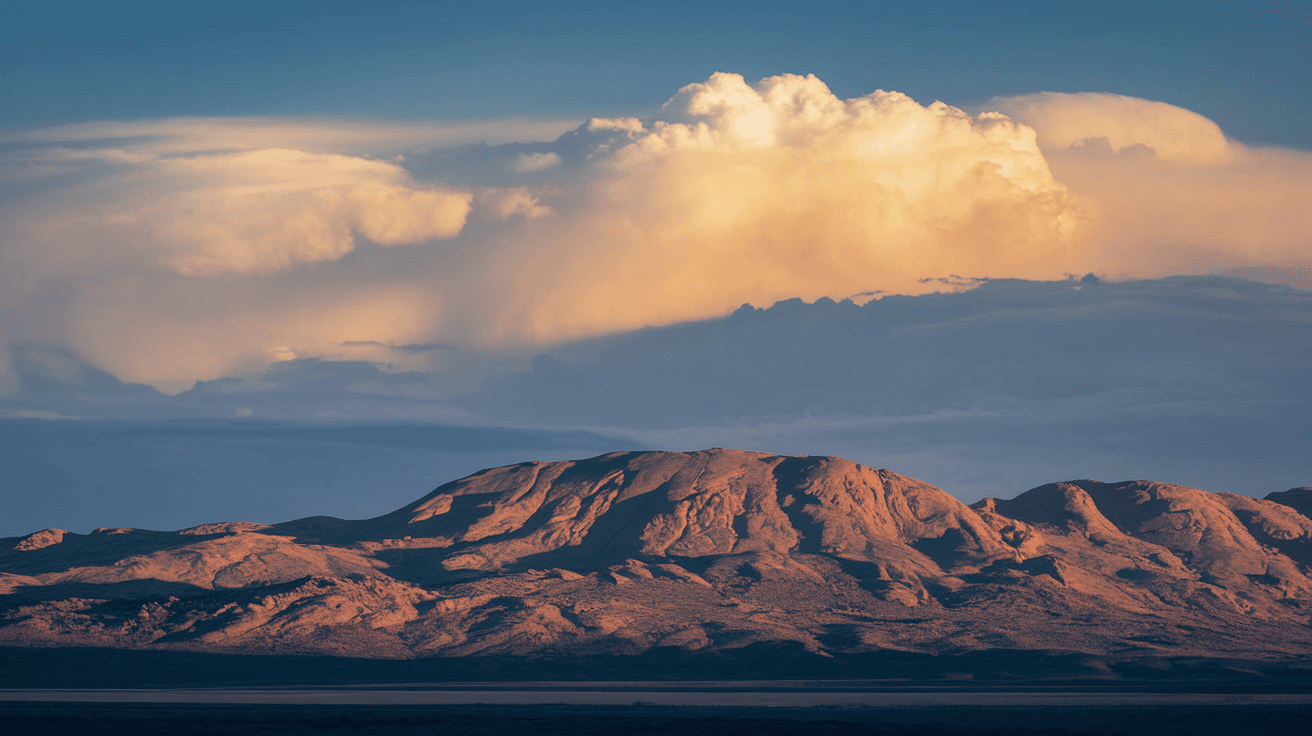
“"The people asking most specifically about proximity to trailheads in 2026 are not weekend warriors. They are buyers who have structured their entire daily routine around morning trail access before work."
Rio Grande Bosque Trails: What Buyers Are Actually Looking For
The Rio Grande Bosque is one of Albuquerque's most underappreciated assets, and that is finally starting to change in how buyers approach neighborhood searches. The Paseo del Bosque Trail runs roughly 16 miles along the river corridor, and depending on where you access it, you are stepping into a completely different version of the city.
The trail entry points tell the story of the neighborhoods around them. The access at Montano Road NW drops you into a wide, shaded cottonwood canopy that feels genuinely remote even though you are ten minutes from Trader Joe's on Carlisle. The entry near Rio Bravo Boulevard SW offers a quieter, more open stretch favored by cyclists and birders. The northern access points near Alameda Boulevard connect walkers to some of the most intact riparian habitat in the Middle Rio Grande Conservancy system.
What buyers are prioritizing in summer 2026 is not just proximity to the trail on paper. They want walkable or bikeable access without needing to load bikes into a car and drive to a trailhead. That distinction is pushing interest toward specific corridors:
- •The North Valley between Montano and Alameda, where older homes on larger lots often back up toward the Bosque easement
- •The Los Ranchos de Albuquerque area, where the trail access combines with the village's mature tree canopy and quieter road network
- •Established neighborhoods in the Near Heights that sit within reasonable biking distance of the Tramway trail connections
The Bosque also offers something the mountain trails cannot during July afternoons: the cottonwood canopy keeps the trail temperature noticeably cooler than exposed terrain, which means afternoon walks are still viable when the Sandias are completely off-limits due to lightning.
Albuquerque Neighborhoods Near Trails 2026: Why High Desert Keeps Rising
When we talk about Albuquerque neighborhoods near trails 2026, High Desert comes up in almost every serious buyer conversation we have had this summer. The neighborhood sits at the base of the Sandia foothills in the northeast part of the city, roughly bounded by Tramway Boulevard to the east and the Elena Gallegos Open Space to the north and northeast.
Median home prices in High Desert are running around $780,000, which puts it firmly in the premium tier of the Albuquerque market. But the buyers gravitating here are not just paying for square footage or views, though both are genuinely exceptional. They are paying for direct trail access without a car. From many streets in High Desert, you can walk out your front door and be on maintained open space trails within five minutes.
The neighborhood sits within the APS La Cueva High School district, which consistently draws families who want both outdoor access and strong academic programming under one geographic umbrella. That combination is increasingly rare in any market.
What makes High Desert particularly compelling for the outdoor-lifestyle buyer in July is the elevation advantage. The neighborhood sits several hundred feet higher than the Rio Grande valley floor, which means slightly cooler morning temperatures, better air movement during the afternoon heat, and unobstructed views of both the Sandias to the east and the West Mesa volcanoes to the west. On a clear July morning after a monsoon rain the night before, the air quality and the views from the upper streets of High Desert are legitimately extraordinary.
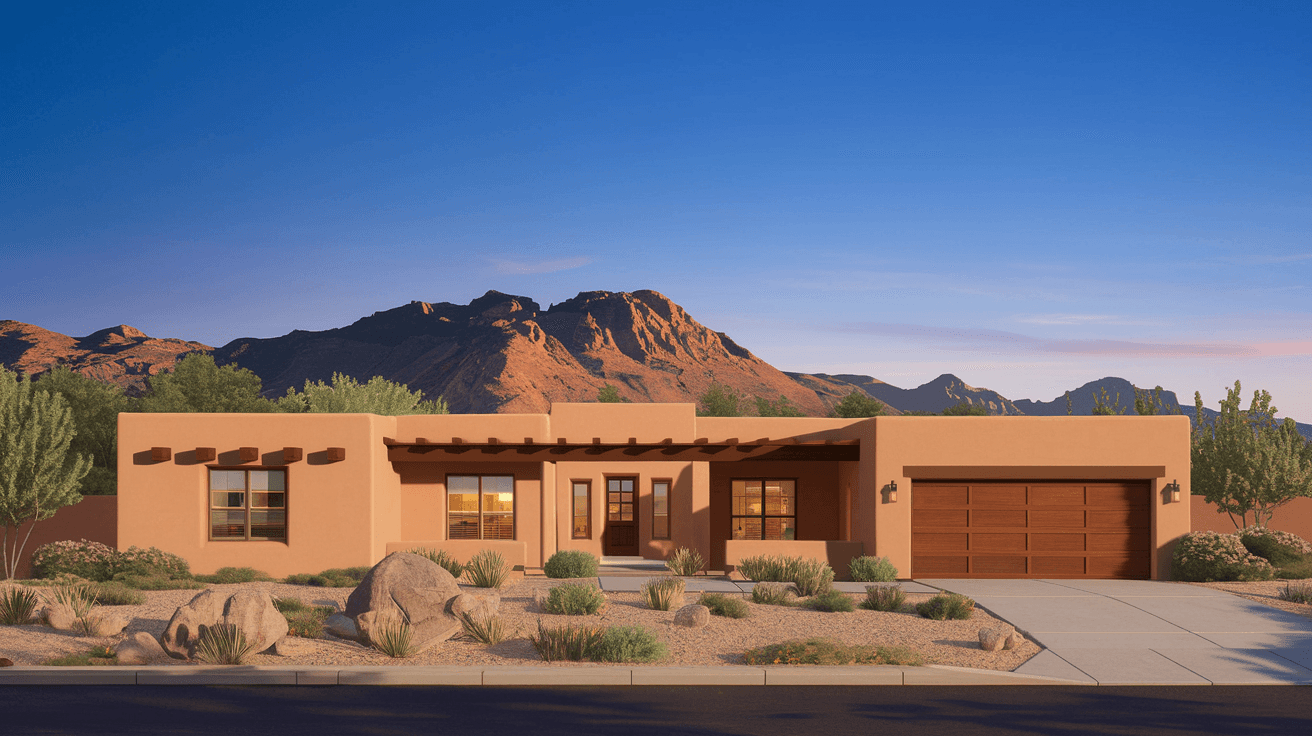
“"High Desert keeps coming up because it solves the equation buyers are running: How do I get to a real trail in under ten minutes on foot, while still being in a neighborhood with good schools and homes that hold their value?"
What the Trail Access Premium Actually Looks Like
In practical terms, trail access proximity in Albuquerque is starting to function the way walkability scores function in other markets. It is becoming a quantifiable factor that influences pricing and days on market.
Homes in High Desert that back directly to open space easements or sit within two blocks of trail connections are moving faster and with fewer price reductions than comparable properties in the same neighborhood that require a drive to reach trailheads. That gap has widened noticeably in the summer 2026 market compared to two years ago.
For buyers doing their homework, it is worth pulling up the City of Albuquerque Open Space Division trail maps alongside any property search. The city's open space holdings are extensive and sometimes surprising. There are pockets of preserved land adjacent to neighborhoods across the Northeast Heights, the North Valley, and the foothills that do not always show up clearly in standard listing data.
How Outdoor Access Is Changing the Buyer Conversation in Summer 2026
The Albuquerque outdoor lifestyle summer 2026 buyer is doing something different than buyers from even five years ago. They are not treating outdoor access as a nice-to-have amenity. They are treating it as infrastructure, the same way they think about commute time or school district.
We are hearing specific questions that reflect this shift:
- •"Can I run from this house to an actual dirt trail, or do I have to drive?"
- •"Where does the Bosque trail connect relative to this address?"
- •"What is the elevation here, and how does that affect the morning temperature in July?"
- •"Which direction do the afternoon storms usually come from, and does this lot have any natural shade protection?"
These are not questions that a quick Zillow search answers. They require knowing the city at a neighborhood-by-neighborhood level, understanding how the monsoon season actually affects daily life, and being able to translate trail map data into practical morning-routine terms.
If you are a buyer trying to figure out which Albuquerque neighborhood actually matches your outdoor lifestyle priorities, that is exactly the conversation we are set up to have. The Taylor Team works these neighborhoods daily, and we can walk you through the trail access, the school district picture, and the current market conditions in real time. Reach out and we will start with a conversation, not a sales pitch.
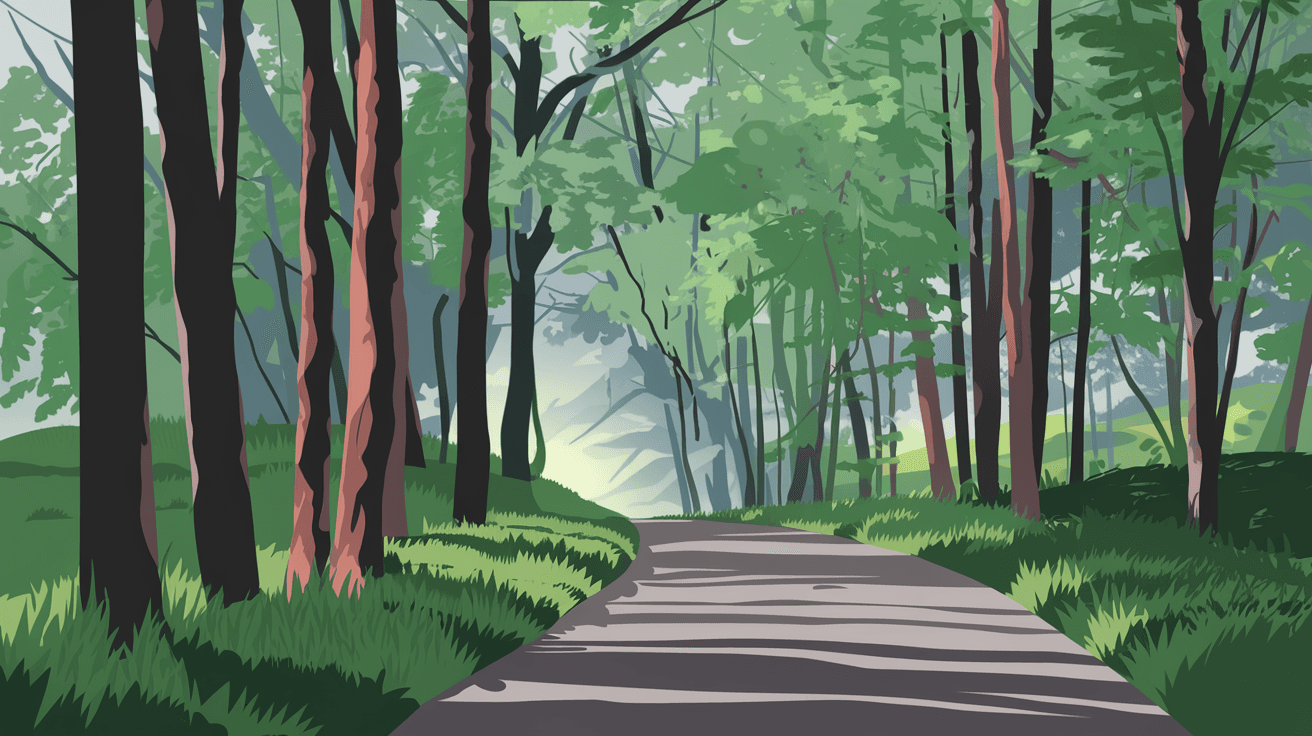
The Monsoon Effect on Neighborhood Desirability
One more thing worth noting for anyone making a summer purchase decision: the July monsoon season is not just a hiking consideration. It is a quality-of-life factor that experienced Albuquerque buyers factor into neighborhood selection.
Neighborhoods at higher elevations, particularly in the foothills like High Desert, tend to receive more monsoon rainfall than the valley floor. The cottonwoods in the North Valley and Bosque corridor create their own microclimate. Neighborhoods on the West Mesa sit in a slightly drier rain shadow. None of these differences are dramatic, but over the course of a summer, they add up in terms of landscaping costs, outdoor comfort, and the general feeling of a neighborhood during the hottest months.
Albuquerque in July is not a city that shuts down in the heat the way Phoenix or Las Vegas does. The altitude keeps temperatures manageable, the monsoon brings afternoon relief, and the morning trail culture is genuinely vibrant. By seven in the morning on a Tuesday in July, the Elena Gallegos parking lot is already half full. That says something real about how people here have built their lives around outdoor access, and it explains why that access is now shaping where they choose to buy.
The summer 2026 market in Albuquerque is rewarding buyers who understand this. The neighborhoods closest to trail systems and open space are holding value, generating strong interest, and attracting a buyer profile that tends to be long-term committed to the community. For sellers in those areas, that is meaningful. For buyers still figuring out which part of the city fits, it is worth slowing down and letting the trail map be part of the conversation.
Want more insider intel?
Subscribe to get market updates and new articles delivered to your inbox.