Albuquerque vs Santa Fe Real Estate: Why Out-of-State Buyers Are Choosing ABQ in 2025
If you have been scrolling Zillow late at night comparing Albuquerque vs Santa Fe real estate, you are not alone. We talk to relocated buyers every single week — people coming from California, Texas, Colorado, and the Pacific Northwest — and the conversation almost always starts the same way: "We looked at Santa Fe first, but then someone told us to check out Albuquerque."
That someone gave them good advice.
Both cities sit in the high desert of New Mexico, both get that legendary 300-plus days of sunshine, and both are soaked in the kind of Pueblo Revival architecture and green chile culture that makes the rest of the country feel a little beige by comparison. But when you get past the surface, Albuquerque and Santa Fe are fundamentally different real estate markets — and for most buyers, especially those moving from out of state, ABQ wins on nearly every practical measure that actually matters when you are trying to build a life somewhere.
Here is what we see on the ground every day.
Albuquerque vs Santa Fe Real Estate: The Price Gap Is Not Small
Let's start with the number that stops most Santa Fe conversations cold: the median home price. In Santa Fe, you are routinely looking at $600,000 to $700,000 or more for a modest three-bedroom, and that number climbs fast the closer you get to Canyon Road or the historic Plaza district. The inventory is tight and the competition from second-home buyers and vacation rental investors keeps pressure on prices year-round.
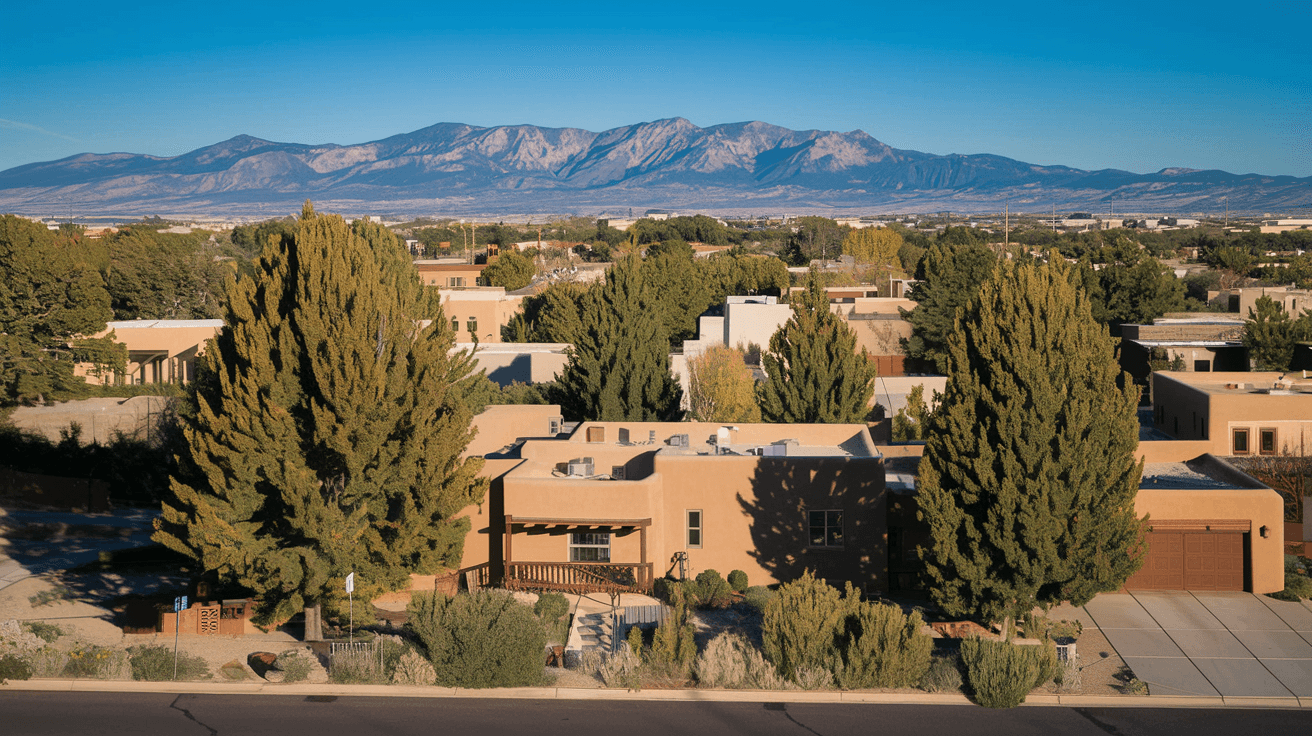
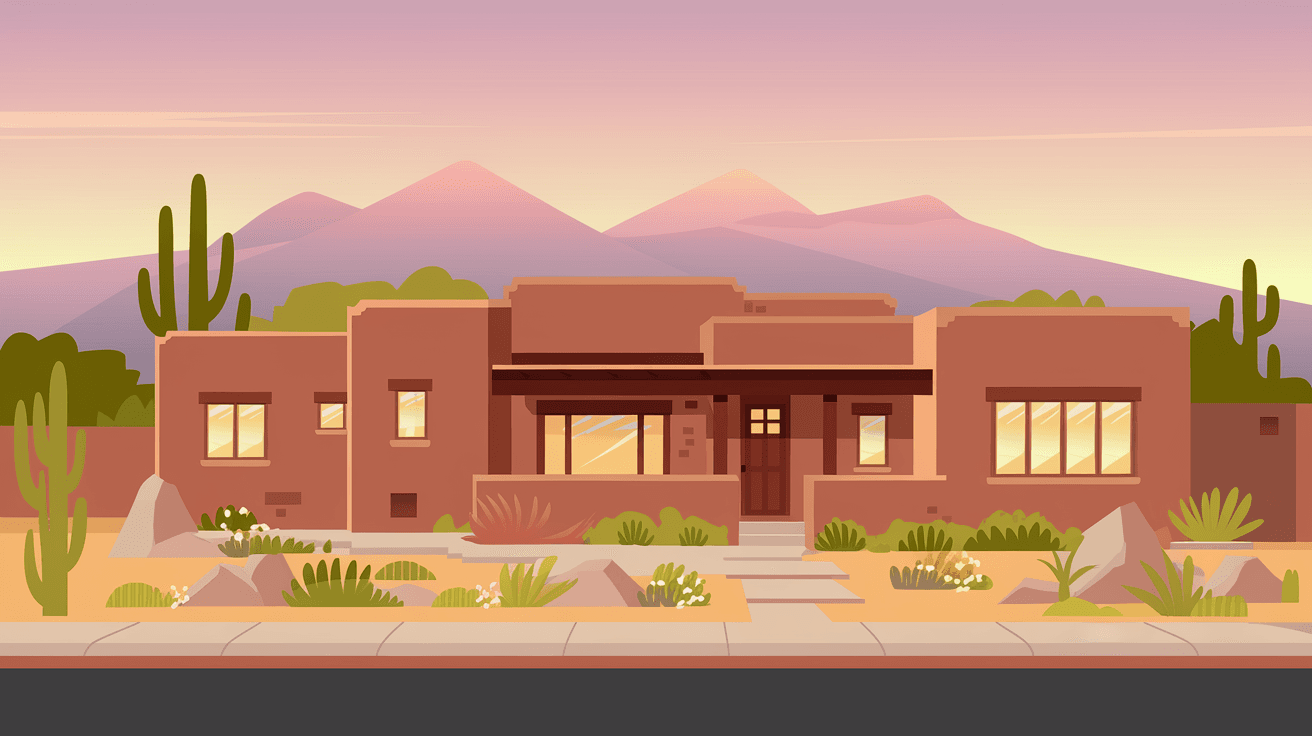
In Albuquerque, the metro median home price sits at approximately $385,000. That is not a typo. For that price in ABQ, you are not settling for a starter home on a postage-stamp lot. You are looking at a genuine three-bedroom, two-bath adobe or stucco home in an established neighborhood, often with a backyard big enough to grow your own green chile if you are so inclined.
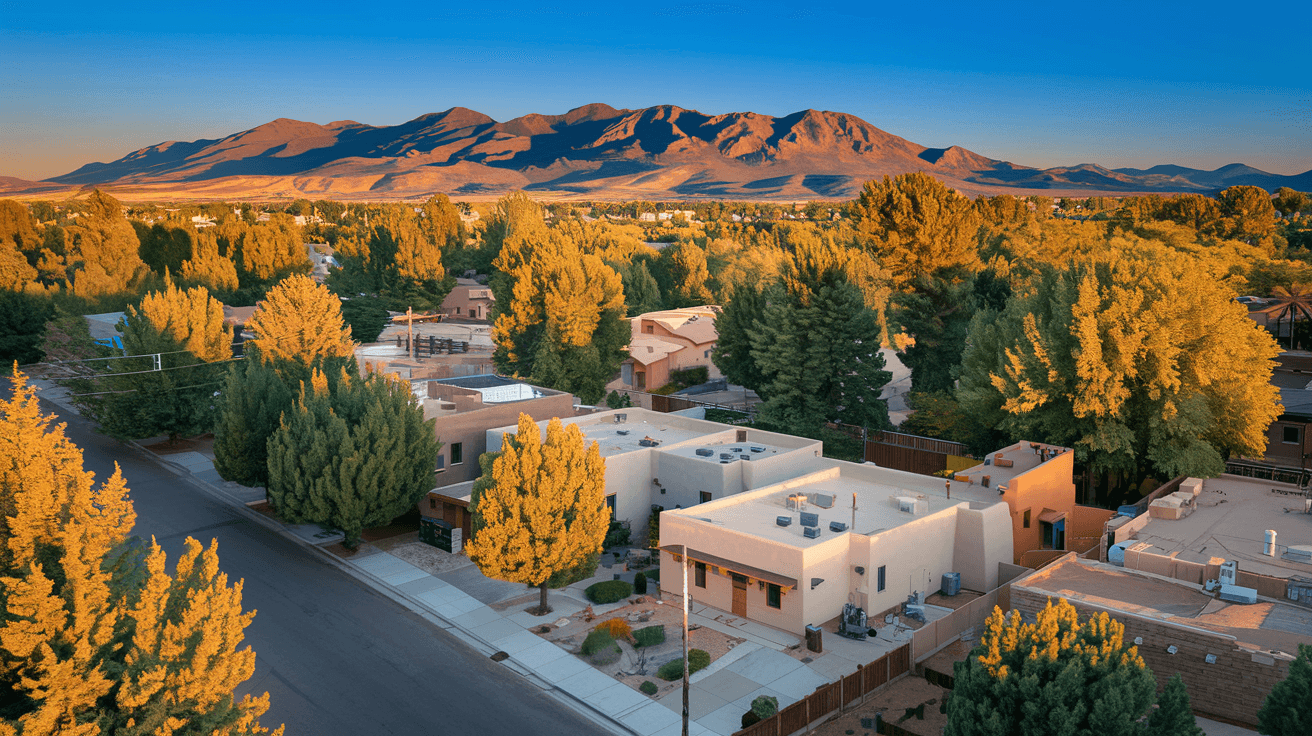
Neighborhoods like Nob Hill, the North Valley, Four Hills, and Tanoan each have their own distinct personality, price range, and lifestyle feel. The North Valley, for instance, gives you horse property and cottonwood canopy along the Rio Grande for prices that would not get you a studio condo in many coastal cities. Tanoan offers gated community living with Sandia Mountain views. Nob Hill puts you walking distance from some of the best local restaurants on Central Avenue.
That kind of variety, at those price points, simply does not exist in Santa Fe.
“"The buyers who do their homework almost always end up in Albuquerque. Santa Fe is a beautiful place to visit. Albuquerque is a place where you can actually afford to live."
What the Market Data Actually Tells You
Beyond the median price, the Albuquerque real estate market data tells a story of healthy, stable demand without the overheated frenzy buyers experienced a few years ago. Right now the market is sitting at about 2.8 months of inventory with roughly 3,200 active listings across the metro. Homes are averaging 34 days on market, which means you have enough time to make a thoughtful decision without a property sitting so long you start wondering what is wrong with it.
The list-to-sale ratio of 98.1% is the detail that tells experienced buyers the most. Sellers are getting very close to asking price, which means the market has real, sustained demand — but it is not the kind of bidding war environment where buyers are routinely waiving inspections and offering $50,000 over list. You can still negotiate. You can still do your due diligence. That balance matters enormously for out-of-state buyers who cannot always be here in person for every showing.
Moving to Albuquerque vs Santa Fe: The Lifestyle Comparison
Here is where the conversation gets interesting, because Santa Fe has a well-earned reputation for arts, culture, and a certain elevated lifestyle. Opera in the summer. World-class galleries on Canyon Road. Farm-to-table dining that has been ahead of the curve for decades. Nobody is disputing any of that.
But Albuquerque has its own cultural identity, and it runs deeper than most out-of-state buyers expect before they arrive.
The International Balloon Fiesta every October is the obvious one — the largest hot air balloon festival in the world, held right here at Balloon Fiesta Park off Alameda. But the culture is woven into the everyday fabric of the city in ways that do not require a festival ticket. Old Town Albuquerque, sitting just west of downtown near the Rio Grande, has been a continuous community since 1706. The Indian Pueblo Cultural Center on 12th Street is one of the most important Native American cultural institutions in the country. The National Hispanic Cultural Center down in Barelas offers world-class performances and visual art on a regular basis.
And then there is the food. Albuquerque's green chile culture is not a tourist attraction — it is a way of life. The debate between Duran's New Mexican Restaurant on Central and Mary & Tito's on 4th Street (a James Beard Award winner, for the record) is the kind of argument that actually matters here. You will form your own opinions within the first month.
The Outdoor Access That Most People Do Not Expect
One thing that genuinely surprises people moving to Albuquerque from other states is how much wilderness is essentially in the city's backyard. The Sandia Mountains rise to over 10,000 feet on the eastern edge of the metro. The Sandia Peak Tramway at the end of Tramway Boulevard is the longest aerial tramway in North America and takes you from the high desert floor to an alpine environment in about fifteen minutes.
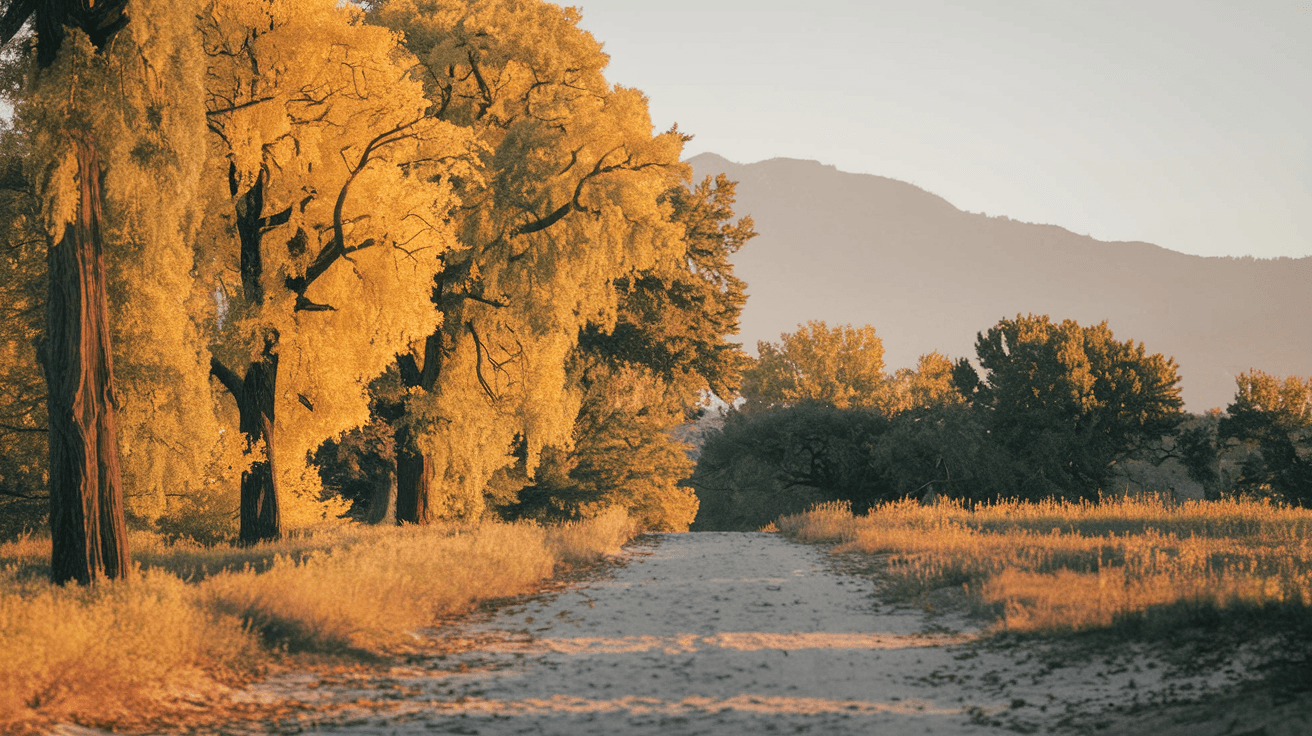
The Bosque Trail along the Rio Grande runs for miles through cottonwood forest right through the middle of the city. On a weekday morning you will share that trail with roadrunners, sandhill cranes in migration season, and the occasional coyote — not with crowds.
Santa Fe has beautiful outdoor access too, but the Albuquerque combination of mountain, river, and desert terrain at this price point is genuinely hard to beat.
Why Buy a Home in Albuquerque NM: The Practical Advantages
For buyers coming from California especially, the practical financial advantages of buying a home in Albuquerque, NM go well beyond the purchase price.
- •New Mexico has no estate tax and relatively favorable treatment of retirement income
- •Property taxes in Bernalillo County are notably lower than most comparable Western metros
- •The cost of living index in Albuquerque runs meaningfully below the national average across most categories
- •Albuquerque has a functioning international airport (Sunport) with direct flights to major hubs, which Santa Fe does not
- •Kirtland Air Force Base and Sandia National Laboratories provide a stable employment base that insulates the local economy from tech-sector volatility
- •The University of New Mexico anchors a medical center, research community, and arts scene that keeps the city intellectually alive
That last point matters more than people realize when they are choosing a place to put down roots. Albuquerque is not a resort town or a retirement community. It is a real city with a diversified economy, a genuine university culture, and neighborhoods that have been continuously inhabited for generations.
“"When our buyers from out of state visit Albuquerque for the first time, the thing that surprises them most is not the mountains or the food — it is how much the city feels like a place where real people actually live."
The Insider Detail Most Buyers Miss When Comparing ABQ to Santa Fe
Here is something only locals really talk about: the microclimate difference within Albuquerque itself is significant enough to factor into your home search.
The East Mountains communities like Tijeras and Edgewood sit at higher elevation and run noticeably cooler, with more precipitation and a pine-tree feel that surprises people who expect pure desert. The North Valley along the Rio Grande has its own riparian microclimate that stays greener and a few degrees cooler in summer than the rest of the metro. The West Side — the area west of the Rio Grande that has seen enormous growth along Unser Boulevard and in communities like Ventana Ranch and Mirehaven — is newer construction, more affordable price points, and gets slightly more wind than the East Side.
Most out-of-state buyers do not know to ask about this. A good local agent will walk you through it before you fall in love with a neighborhood that does not actually match your lifestyle preferences. If you want to talk through which Albuquerque neighborhood fits what you are looking for, the Taylor Team at Berkshire Hathaway HomeServices is exactly the conversation you should be having. We know these streets, these neighborhoods, and this market in a way that no algorithm or national search portal can replicate.
Albuquerque vs Santa Fe Real Estate: Who Should Choose Each City
To be fair about this comparison, Santa Fe is the right answer for some buyers. If your primary goal is a second home or vacation property and budget is not a constraint, Santa Fe's art market and tourism economy make it a reasonable investment. If you are specifically drawn to the historic Plaza district and the particular social scene that comes with it, that experience is genuinely unique.
But for buyers who are relocating full-time, who are working remotely and need practical infrastructure, who want to maximize what their housing dollar buys, or who are looking for a city with long-term growth potential and a real local economy — Albuquerque is the answer almost every time.
The numbers support it. The lifestyle supports it. And increasingly, the people who have made the move support it loudly to everyone they know back home.
What the Migration Data Is Showing
Albuquerque has been quietly appearing on relocation lists that used to be dominated by Boise, Austin, and Tucson. The reasons are consistent:
- •Lower entry price point compared to other Western Sun Belt markets
- •Established cultural identity that does not feel manufactured or recently imported
- •Climate that delivers genuine four-season living without the extremes of the Midwest or the wildfire smoke seasons of the Pacific Northwest
- •Airport access for remote workers who still need to travel for business
- •Space — actual physical space, in homes and in the landscape, that coastal buyers find genuinely restorative
Making the Decision to Buy in Albuquerque
The Albuquerque vs Santa Fe real estate comparison ultimately comes down to what kind of life you are trying to build. Santa Fe sells a certain idea of New Mexico. Albuquerque is the actual New Mexico — complicated, layered, genuinely multicultural, and far more affordable than the version on the postcards.
With a median price of $385,000, a stable market with real inventory to choose from, outdoor access that most cities would envy, and a food culture that will ruin you for anywhere else, Albuquerque keeps earning its place on relocation lists for good reason.
The green chile is just the beginning.
Want more insider intel?
Subscribe to get market updates and new articles delivered to your inbox.