Buying a Fixer-Upper in Albuquerque NM: What Renovation Costs Actually Look Like in the High Desert
If you've been scrolling Zillow at midnight eyeing a $210,000 South Valley home with "good bones" and a yard full of potential, you're not alone. Fixer-upper Albuquerque NM searches have climbed steadily as buyers try to stretch their purchasing power in a market where the metro median sits at $379,000 and homes are going under contract in an average of 29 days. The math is appealing: buy low, renovate smart, build equity. But the high desert throws a few curveballs that buyers relocating from Houston or Phoenix don't always see coming.
This isn't a scare piece. Plenty of people buy fixer-uppers here and come out ahead. The key is knowing what you're actually getting into before you write that offer — and understanding that renovating in Albuquerque isn't the same as renovating in a place with predictable humidity, mild winters, and a contractor on every corner.
Fixer-Upper Albuquerque NM: Why the High Desert Changes the Renovation Math
Albuquerque sits at roughly 5,300 feet elevation. That matters more than most buyers realize. The UV index here is brutal — we're talking skin-burning, paint-fading, caulk-cracking intensity that coastal cities don't experience. Add in the freeze-thaw cycle (yes, it freezes here, sometimes hard), summer monsoons that dump inches of rain in 45 minutes, and bone-dry winters with single-digit humidity, and you've got a climate that is genuinely hard on houses.
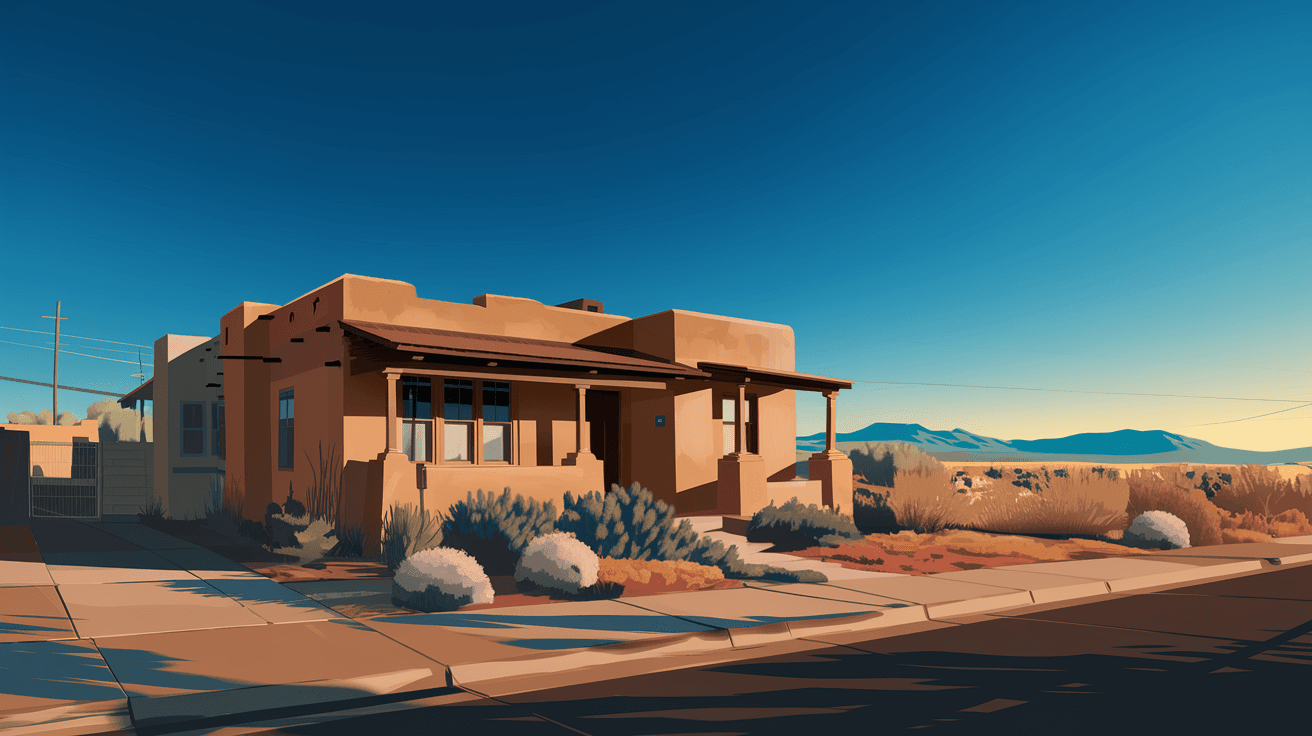
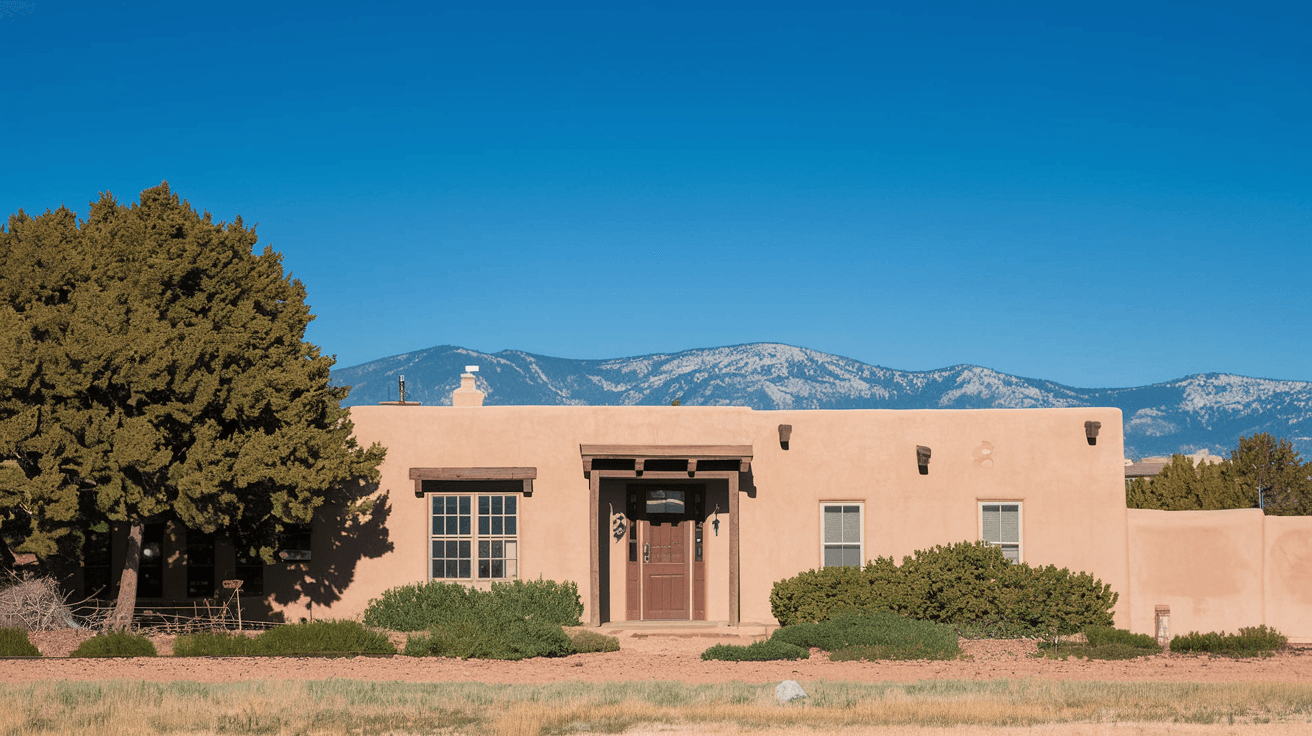
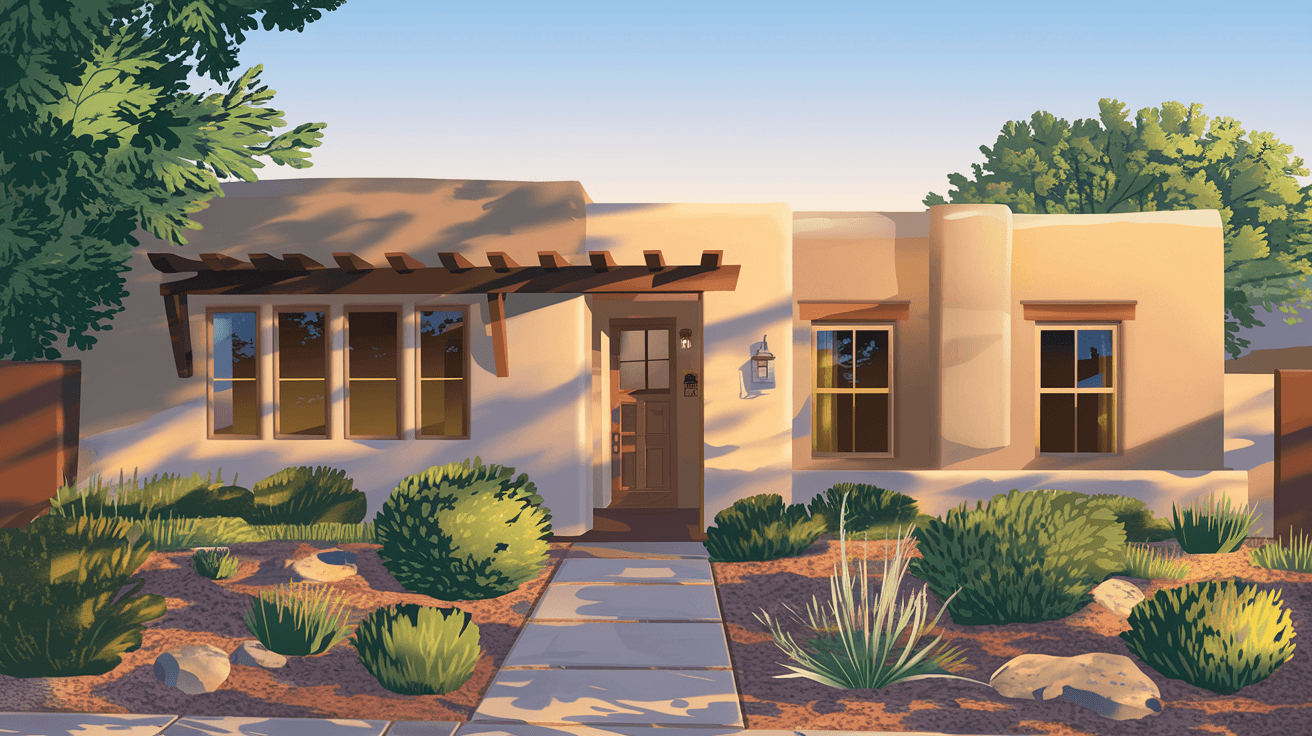
Adobe and stucco construction, which dominates Albuquerque's housing stock especially in neighborhoods like the South Valley, the North Valley, and Barelas, requires climate-specific maintenance knowledge. A hairline crack in exterior stucco isn't cosmetic here — it's a water intrusion risk during monsoon season and a freeze-thaw vulnerability in January. Buyers from wetter climates sometimes underestimate this because the desert looks dry. It is dry, until the monsoons arrive, and then water finds every weakness in a structure fast.
The South Valley, where median prices hover around $255,000, is one of the most active areas for fixer-upper buyers right now. It's one of the few places in the metro where you can still find a genuine deal on a home with real square footage and land. Rio Grande High School anchors the community, the farms and acequia culture give the neighborhood a character you can't manufacture, and the proximity to the river bosque is something people who live there genuinely love. But the housing stock is older, and older South Valley homes come with older South Valley systems.
The Systems That Cost the Most in Albuquerque Fixer-Uppers
Before you budget for the fun stuff — the kitchen tile, the bathroom fixtures, the fresh coat of Dunn-Edwards paint — you need to price out the systems. In Albuquerque, these are the budget items that routinely surprise buyers:
- •Evaporative coolers (swamp coolers): The dominant cooling system in older ABQ homes. A full replacement runs $1,500 to $3,500 installed. If the unit is on the roof (very common here), factor in roof access and potential roof repair around the curb mount. Conversion to refrigerated air is a whole different conversation — budget $8,000 to $15,000 for a full HVAC conversion depending on home size.
- •Flat or low-slope roofs: Albuquerque's flat roof tradition is beautiful architecturally and brutal maintenance-wise. A full flat roof replacement using TPO membrane runs $6,000 to $14,000 depending on square footage. Foam roofing, popular here, runs $3 to $6 per square foot installed.
- •Stucco repair and recoat: A full exterior stucco recoat on a 1,400-square-foot home can run $8,000 to $18,000 depending on condition and whether there's underlying damage. Spot repairs for cracking are cheaper but need to be done right or moisture gets in.
- •Plumbing: Homes built before the 1980s may have galvanized steel pipes. Full repipe in a 1,200-square-foot home runs $4,000 to $8,000. If the home uses a septic system (common in South Valley and the North Valley near the river), a septic inspection and potential replacement can add $5,000 to $15,000.
- •Electrical panels: Many older homes have 100-amp panels that won't support modern loads. Panel upgrades to 200-amp service run $2,500 to $4,500 in the Albuquerque market.
“"The homes that look the roughest on the outside in the South Valley are sometimes the most solid structurally. Stucco can be fixed. A bad foundation or compromised vigas — those are different conversations entirely."
Home Renovation Costs Albuquerque 2026: What Contractors Are Actually Charging
Labor costs in Albuquerque are lower than in Denver or Phoenix, which is one genuine advantage of buying a fixer-upper in New Mexico. But the contractor pool for quality work is smaller than buyers expect, and scheduling is real. Good GCs here book out 6 to 12 weeks. If you're planning a renovation that needs to happen fast, that timeline matters.
Here's a realistic look at home renovation costs Albuquerque 2026 based on what local contractors are charging:
Kitchen Renovation Costs
- •Budget kitchen update (new appliances, cabinet paint, hardware, basic countertop): $8,000 to $15,000
- •Mid-range kitchen remodel (semi-custom cabinets, quartz or granite counters, tile backsplash, new appliances): $25,000 to $45,000
- •Full gut renovation with layout changes, custom cabinetry, high-end finishes: $55,000 to $90,000+
Saltillo tile, which you'll find in kitchens and entryways throughout older Albuquerque homes, is worth preserving if it's in decent shape. Refinishing existing Saltillo is far cheaper than replacing it and keeps the authentic character that buyers love in this market.
Bathroom Renovation Costs
- •Basic refresh (new fixtures, vanity, toilet, paint): $4,000 to $8,000
- •Full bathroom remodel (tile, tub/shower replacement, new vanity, lighting): $12,000 to $22,000
- •Primary suite bathroom renovation with walk-in shower, double vanity, heated floors: $25,000 to $45,000
Flooring
- •Saltillo tile restoration: $3 to $6 per square foot
- •New ceramic or porcelain tile installed: $8 to $14 per square foot
- •Engineered hardwood: $9 to $16 per square foot installed
- •Polished concrete (popular in modern ABQ builds): $3 to $8 per square foot depending on condition of existing slab
The Insider Reality of Buying Fixer-Upper New Mexico: What Inspections Must Cover
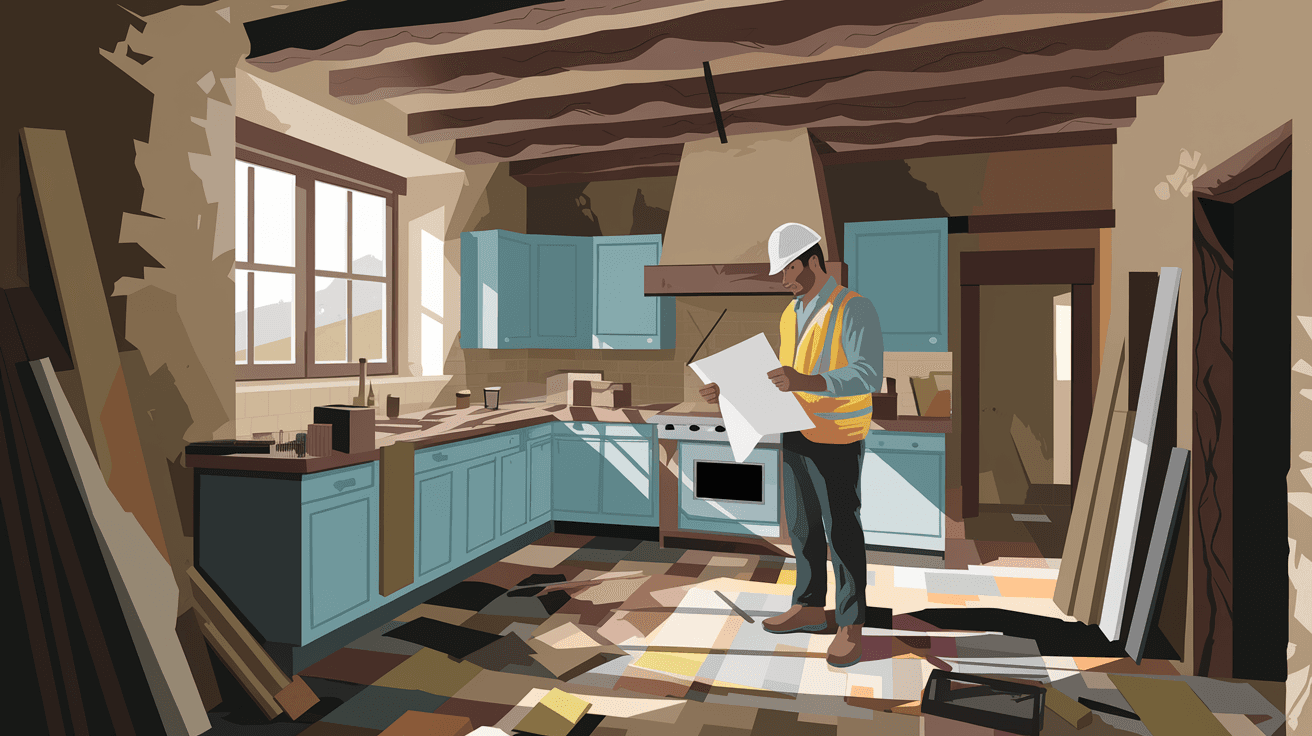
A standard home inspection is not enough for a fixer-upper in this market. Period. Here's what you should be ordering before you remove contingencies:
- •Sewer scope: Older neighborhoods, especially anything built before 1970, may have clay or Orangeburg sewer lines. A sewer scope runs $150 to $300 and can save you from a $10,000 to $25,000 surprise. This is non-negotiable in the South Valley, Barelas, Huning Highland, and EDo.
- •Structural inspection by a licensed structural engineer: Not the same as a general home inspection. If the home has vigas (traditional wooden roof beams), you want someone who understands adobe construction assessing them. Viga replacement is expensive and complicated.
- •Radon test: New Mexico has elevated radon levels in many areas. Testing is cheap ($15 to $30 for a kit). Mitigation if needed runs $800 to $2,500.
- •HVAC inspection: Have the evaporative cooler or refrigerated air system evaluated separately from the general inspection. A good HVAC tech will tell you what you're actually dealing with.
- •Roof inspection by a roofing contractor: General inspectors assess roofs visually. A roofer gets up there and tells you the actual condition. For flat roofs especially, this is worth the $150 to $250 it typically costs.
The insider tip that only people who've done this in ABQ a few times know: pull the permit history on the property through the City of Albuquerque Development Services Department before you close. You can do this yourself. Unpermitted additions are common in older Albuquerque homes, and they create complications with financing, insurance, and future resale. If that back room addition doesn't have a permit, you need to know that before you own the house.
“"In a market where only 72 active listings are competing for buyer attention and homes are selling at 98.2% of list price, fixer-uppers are often the only path to real negotiating room. Use that room wisely — get your inspections done and know your renovation budget cold before you ask for credits."
Financing a Fixer-Upper in Albuquerque NM: Loan Options That Actually Work Here
Buying a fixer-upper in New Mexico requires thinking about financing differently than a move-in-ready purchase. A few options worth knowing:
- •FHA 203(k) loans: Allow you to roll renovation costs into your mortgage. There are two versions — the Limited (for projects under $35,000) and the Standard (for larger renovations). They work, but they have strict contractor requirements and longer closing timelines. Not every seller will wait.
- •Fannie Mae HomeStyle loans: Similar concept to 203(k) but through conventional financing. Often more flexible on what renovations qualify.
- •NMMFA programs: The New Mexico Mortgage Finance Authority offers programs specifically for New Mexico buyers, including some that can be layered with renovation financing. Worth a conversation with a local lender who knows these products.
- •HELOC after purchase: Some buyers purchase a fixer-upper with conventional financing, then pull a home equity line of credit after closing to fund renovations. This works if you have equity to draw on and can handle the initial purchase without renovation funds.
- •Cash purchase with construction loan: If you're buying with cash, a local construction loan can fund the renovation, then refinance into a traditional mortgage once work is complete.
With only 3.6 months of inventory in the metro, the market still favors sellers in most price ranges. That said, fixer-upper Albuquerque NM listings tend to sit longer and generate less competition than turnkey homes, which gives you more room to negotiate seller concessions or price reductions that offset renovation costs.
Building Your Renovation Budget for an Albuquerque Fixer-Upper
Here's the framework that experienced buyers use when running the numbers on a fixer-upper in this market:
- •Start with the After Repair Value (ARV): What will the home be worth after renovations? Pull comps in the same neighborhood for updated homes. Your agent can help with this.
- •Subtract your total renovation budget from the ARV.
- •Subtract your desired equity cushion (most buyers want at least 10 to 15% equity after renovation).
- •What's left is your maximum purchase price.
Add a 15 to 20% contingency on top of every renovation estimate you get. Albuquerque fixer-uppers, especially in older adobe neighborhoods, have a way of revealing surprises once walls open up. Adobe that looks solid can have moisture damage. Original plumbing that tests fine can fail under pressure once you start moving things around. The contingency isn't pessimism — it's just experience talking.
If you're looking at a South Valley home priced at $225,000 with $60,000 in needed renovations, your all-in cost is $285,000. If updated comparable homes in that neighborhood are selling at $310,000 to $330,000, you have a reasonable deal. If the ARV is $260,000, the math doesn't work regardless of how much you love the property.
The Taylor Team works with buyers on fixer-upper purchases throughout the Albuquerque metro regularly, and if you're trying to figure out whether a specific property pencils out, that's exactly the kind of conversation we're happy to have before you make an offer. Getting the numbers right at the front end is what separates a great investment from a stressful one.
Fixer-uppers in Albuquerque can be genuinely great deals. The South Valley especially has homes with real character, real land, and real community roots that you simply cannot find in a new build off Paseo del Norte. But the high desert is honest with houses — it shows you every deferred maintenance item eventually. Go in with clear eyes, solid inspections, and a realistic renovation budget, and you'll be in a much better position than the buyers who fall in love with the bones and forget to check the systems.
Want more insider intel?
Subscribe to get market updates and new articles delivered to your inbox.