
Buying a Home Near ABQ Ride Transit Corridors in 2026: How Bus Rapid Transit Access on Central Avenue Shapes Commute Value and Neighborhood Choice
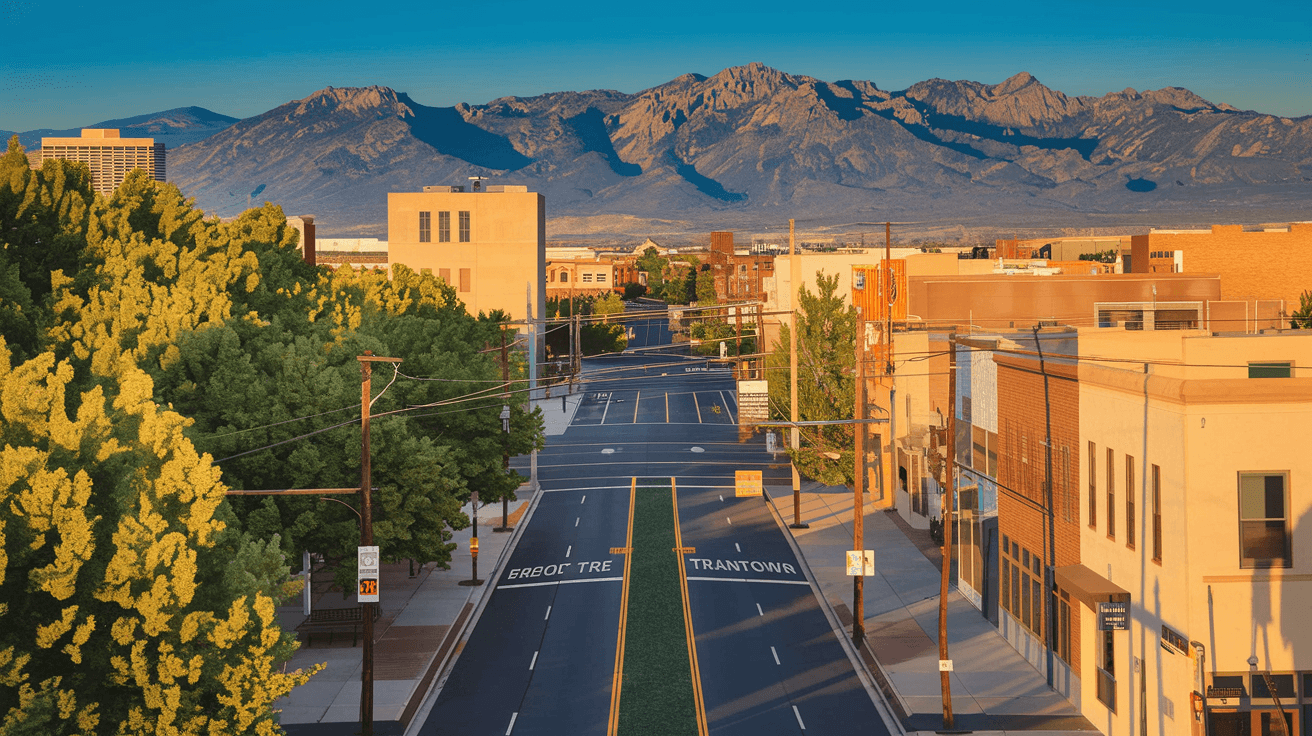
If you spend any real time on Central Avenue, you already know it's not just a road. It's the spine of Albuquerque. From the time the Rapid Ride pulls up at Louisiana Boulevard to when it rolls past the University of New Mexico's duck pond and into the heart of Old Town, that corridor carries something more than commuters. It carries neighborhood identity, economic momentum, and increasingly, real estate value.
For anyone buying a home near ABQ Ride transit lines in 2026, understanding how that infrastructure shapes your daily life and your long-term investment is not optional. It's the whole conversation.
How ABQ Ride's Central Avenue Corridor Affects Home Values in Albuquerque
The ART (Albuquerque Rapid Transit) line runs along Central Avenue from Unser Boulevard on the West Side all the way to Tramway, covering roughly 15 miles of the city's most historically significant street. The stations are spaced close enough that walking from a nearby bungalow to a stop rarely takes more than eight minutes.
What transit access does to property values in mid-sized metros like Albuquerque is well-documented nationally, but the local texture matters more than the national trend. Here, proximity to Central Avenue transit means something specific: you're in a neighborhood with actual sidewalks, corner stores that have been there since before you were born, and a mix of residents who chose density and character over cul-de-sacs and HOA newsletters.
Albuquerque's metro median home price currently sits at $385,000, and the market is moving with purpose. Homes are averaging 34 days on market, and sellers are getting 97.8% of their list price at closing. With 3,850 active listings and 4.9 months of inventory, buyers have more breathing room than they did two years ago, but well-located homes near transit corridors still move fast.
“Proximity to ABQ Ride's Central Avenue line is no longer just a convenience feature. For a growing segment of Albuquerque buyers, it's a non-negotiable part of the search.
Nob Hill: The Neighborhood That Makes Transit Access Feel Like a Lifestyle
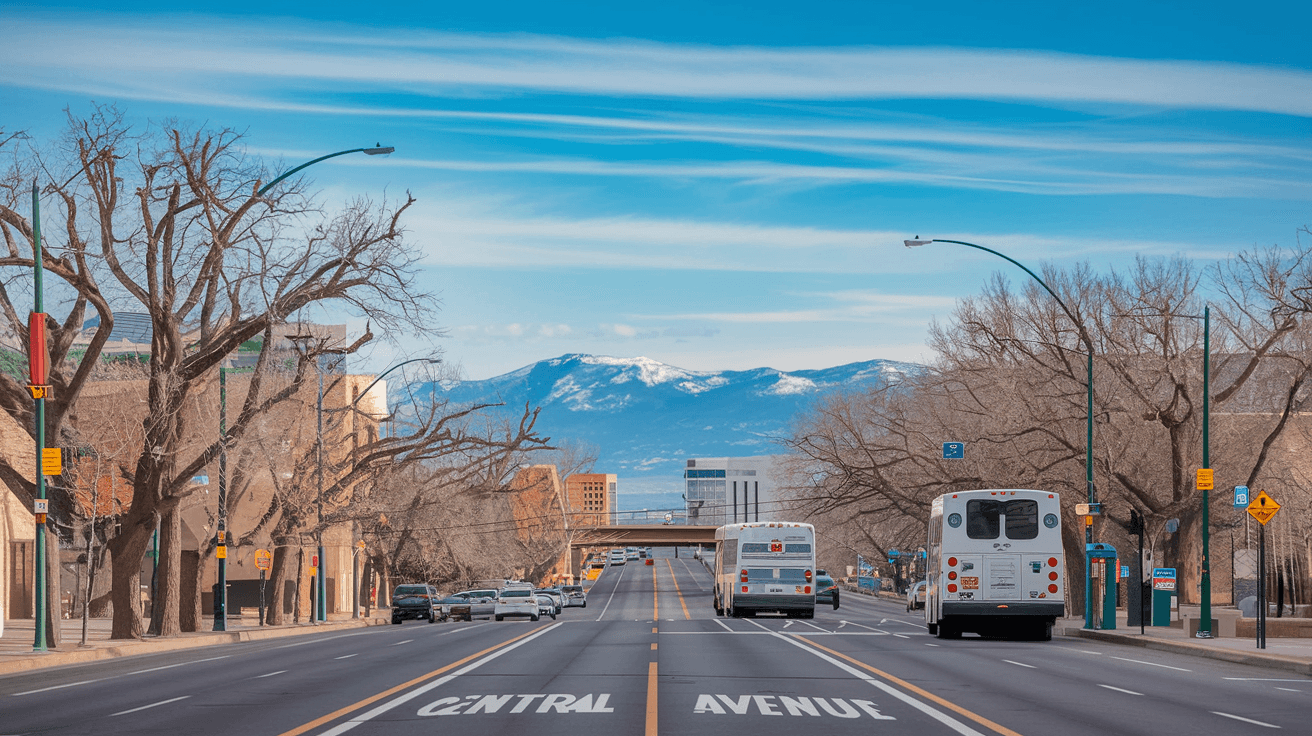
If there's one neighborhood in Albuquerque where buying a home near ABQ Ride becomes a full sensory argument, it's Nob Hill. The stretch of Central between Girard and Washington is the kind of place where you can walk out your front door, grab a green chile breakfast burrito at Weck's, browse vinyl at a record shop, and catch the Rapid Ride to UNM or Downtown without once touching your car keys.
Nob Hill's median home price is $375,000, which puts it just under the metro median while delivering a walkability score and neighborhood character that most ABQ zip codes simply can't match. The housing stock here is a mix of 1940s and 1950s brick homes, Spanish Revival cottages, and the occasional mid-century modern that someone has lovingly preserved. Yards are small, charm is abundant, and the neighbor-to-neighbor culture is real.
Schools, Families, and the APS Question
For buyers with kids, the school picture in Nob Hill is worth understanding before you make an offer. The neighborhood feeds into APS's Highland cluster: Highland Elementary, Wilson Middle School, and Highland High School. Highland High has a long history in the city and a student body that reflects the genuine diversity of Central Albuquerque. It's not a suburban magnet school, but it has dedicated teachers and strong arts programming that parents in the neighborhood genuinely value.
Families who move into Nob Hill and use the transit corridor tend to be the kind of people who want their kids to grow up in a real city. That's a specific buyer, and if that's you, the neighborhood delivers.
The Insider Detail About Parking and Property
Here's something most out-of-town buyers don't realize until they're already under contract: many of the older homes on the streets just north and south of Central, places like Morningside, Carlisle, and Wellesley, were built before two-car garages were standard. If you're a two-car household, you'll want to look carefully at off-street parking before you fall in love with a floor plan. The tradeoff is that in a transit-adjacent neighborhood, a lot of residents genuinely end up using one car less than they expected. That's not a sales pitch. That's just what people report after living there for a year.
Central Avenue Transit Albuquerque: What the 2026 Rider Experience Actually Looks Like
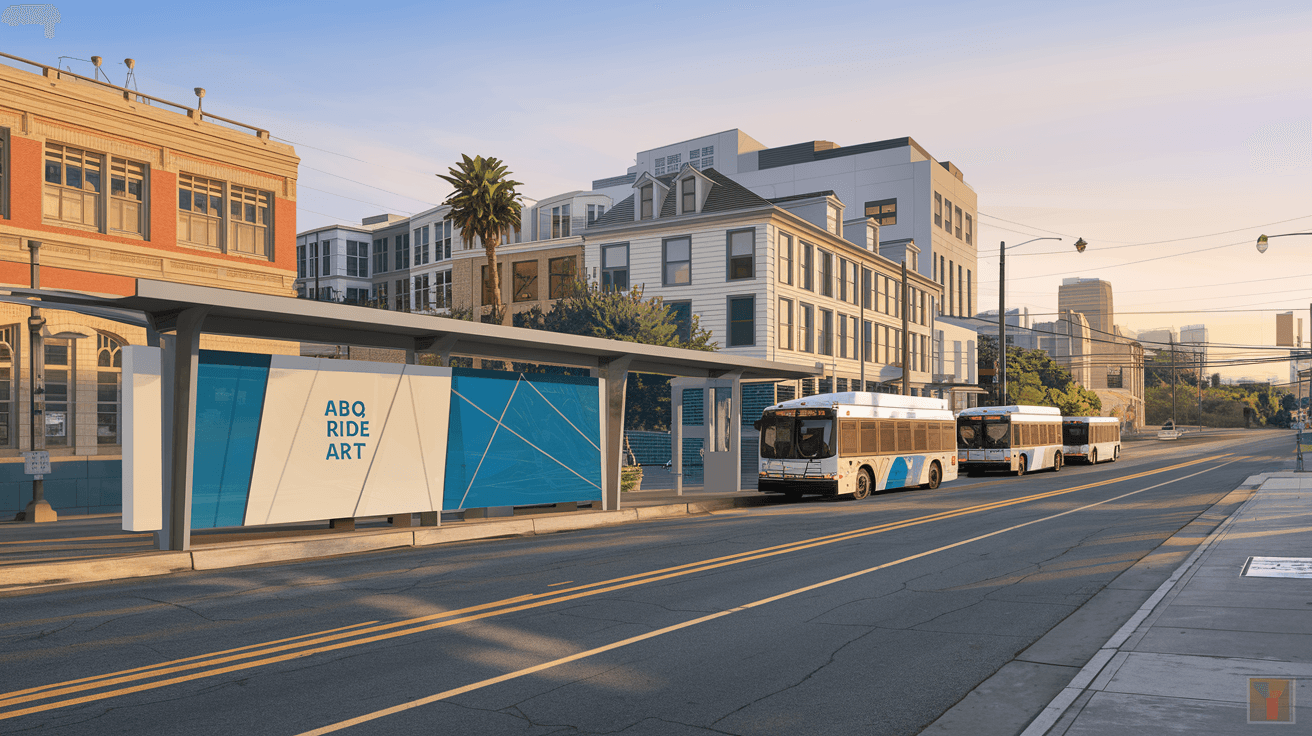
The Central Avenue transit Albuquerque experience in 2026 is meaningfully better than it was at ART's rocky launch. The dedicated bus lanes are functioning as designed, headways during peak commute hours are reliable enough that people actually plan around them, and the stations between Nob Hill and Downtown have become genuine neighborhood anchors.
For buyers evaluating Albuquerque commute neighborhoods in 2026, the practical math looks like this:
- •A Nob Hill resident can reach Kirtland Air Force Base via a connection at San Mateo in under 40 minutes without driving
- •The UNM Health Sciences Center on Yale is a direct ride from most Central corridor neighborhoods
- •Downtown Albuquerque employers along Marquette and Gold are accessible in 15 to 20 minutes from the Nob Hill stations
- •CNM's Main Campus on University Boulevard is a straight shot east on Central
For households where one person works downtown or at UNM and the other works remotely, the calculus of buying near transit becomes genuinely compelling. You're not just saving on gas. You're buying back time.
What to Look for When Evaluating Transit-Adjacent Homes in Albuquerque
Not every block near Central Avenue is equal, and buyers who understand the nuances will make better decisions. Here's what actually matters when you're evaluating a specific property:
Distance and Walkability
- •One to three blocks from Central puts you in the highest walkability tier but also means more foot traffic and occasional noise from the corridor
- •Four to six blocks north or south is often the sweet spot: close enough to walk to transit and restaurants, far enough for residential quiet
- •Look at the cross streets: blocks between Girard and Carlisle in Nob Hill feel different from blocks between San Mateo and Louisiana, even though both are technically on the Central corridor
Property Condition and Age
- •Most transit-adjacent homes in Central Albuquerque neighborhoods were built between 1940 and 1970
- •Electrical panels, plumbing, and roofing are the three inspection categories that matter most in this housing stock
- •Adobe and brick construction holds up beautifully in the high desert climate, but portal and flat roof drainage needs attention on older homes
Noise and Light Considerations
- •Homes directly on Central will experience bus traffic noise; this is not a dealbreaker for many buyers but it is a real factor
- •The ART stations are well-lit, which is a genuine safety asset for the neighborhood at night
- •Interior-facing lots on streets like Amherst or Vassar off Central offer a quieter profile while maintaining walkability
“The buyers who thrive in Central Avenue corridor neighborhoods are the ones who understand they're choosing a way of living, not just a house. The transit access is part of that package, and in 2026, it's a package with real value attached.
Albuquerque Commute Neighborhoods 2026: Comparing Your Options Along the Corridor
Nob Hill gets most of the attention, but the Central Avenue transit Albuquerque corridor passes through several distinct neighborhoods worth comparing:
The University Area (near Yale and Central) skews younger and rentier, but owner-occupied homes do exist and come at lower price points. Proximity to UNM and the Albuquerque Sunport via transit is a real asset for certain buyers.
Huning Highland and EDo (East Downtown) sit at the western end of the Nob Hill-to-Downtown stretch. These neighborhoods are earlier in their revitalization arc, prices reflect that, and buyers with a longer time horizon are paying close attention to what's happening along the Gold and Central corridor near 4th Street.
The International District, further east toward San Mateo and Zuni, is Albuquerque's most culturally layered neighborhood and one of the most undervalued along the corridor. Home prices are lower, the food is extraordinary if you know where to look, and the community investment happening there in 2025 and 2026 is real and ongoing.
If you're working through these options and want someone who knows the difference between a block on Morningside and a block on Amherst, that's exactly the kind of conversation The Taylor Team has every week with buyers in this market. Reach out and we'll walk through what makes sense for your commute, your budget, and the kind of neighborhood life you're actually looking for.
Making the Decision: Transit Access as a Long-Term Investment Factor
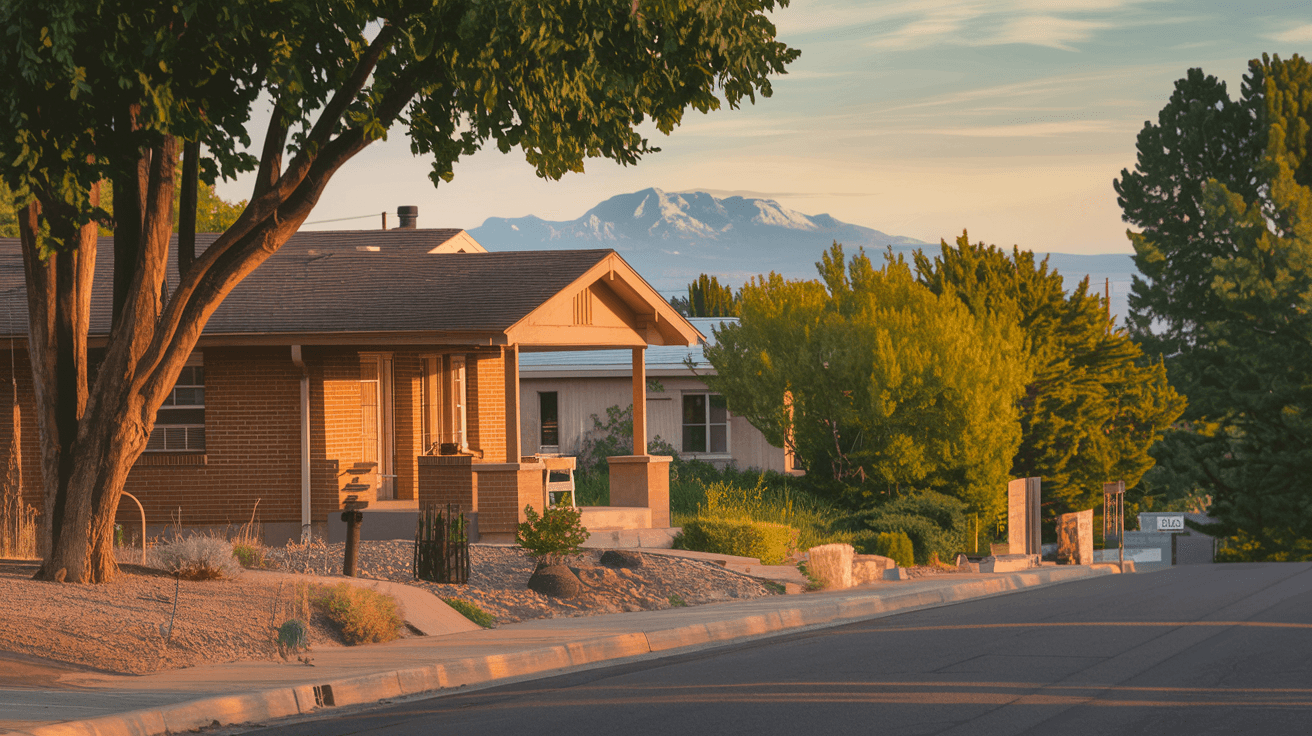
When you zoom out from the daily commute question and look at what buying a home near ABQ Ride means over a 10 or 15 year horizon, the picture gets interesting. Cities that invest in transit infrastructure consistently see value appreciation in transit-adjacent corridors outpace the broader metro over time. Albuquerque is not immune to that pattern.
The ART investment on Central Avenue is a permanent piece of city infrastructure. The stations, the dedicated lanes, the frequency improvements that have come in the last two years, none of that is going away. If anything, the city's continued investment in the corridor, through streetscape improvements, small business support programs, and zoning that encourages mixed-use development near stations, points toward more value concentration in these neighborhoods, not less.
With a 97.8% list-to-sale ratio across the metro and inventory that, while improved, still favors well-priced homes in desirable locations, transit-adjacent properties in Nob Hill and surrounding neighborhoods are not sitting long. The buyers who move thoughtfully but decisively are the ones closing on the homes they actually wanted.
Albuquerque's transit corridors in 2026 are not a niche consideration for a small segment of buyers. They're becoming a mainstream factor in how people evaluate neighborhoods, commutes, and the kind of daily life they want to build here. Central Avenue has always been the city's story. It's increasingly becoming the city's value driver too.
Want more insider intel?
Subscribe to get market updates and new articles delivered to your inbox.