
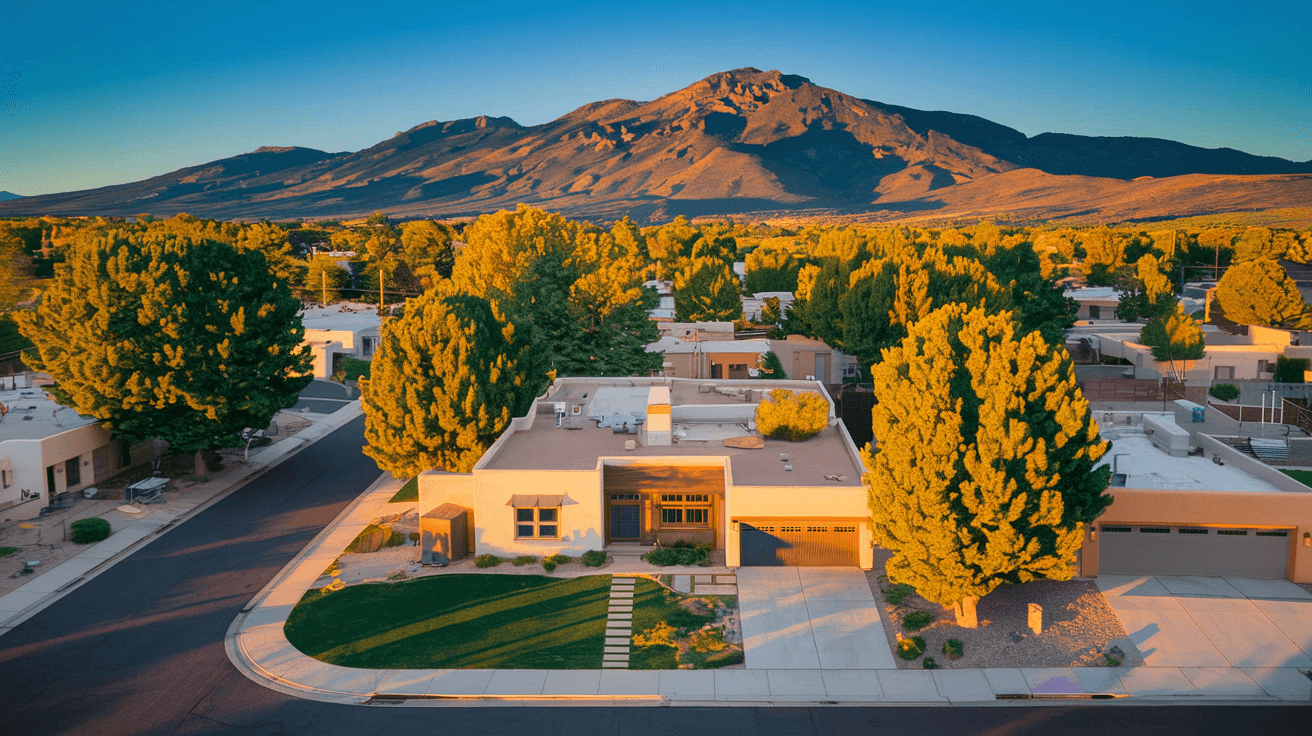
Buying a Home in Albuquerque's Northeast Heights in 2026: School Districts, Price Per Square Foot, and What $350K–$500K Gets You
If you are seriously considering buying a home in Northeast Heights Albuquerque, you have already done something right: you have zeroed in on one of the most consistently desirable corridors in the entire metro. This is not hype. The Northeast Heights has been the backbone of Albuquerque's residential market for decades, and heading into 2026, it is holding that position with real staying power. Families relocating from out of state, locals upgrading from the South Valley or the West Side, and empty nesters downsizing from the foothills all tend to land here eventually. The question is not whether the Northeast Heights is a good bet. The question is which pocket of it fits your budget, your commute, and your kids' school situation.
So let's talk about all of that, neighborhood by neighborhood, with real numbers.
Northeast Heights Real Estate Market Conditions in 2026
Before you start scheduling showings on Ventura Street or refreshing listings near Montgomery and Eubank, it helps to understand the market you are stepping into. The Albuquerque metro median home price sits right around $385,000 as we move through 2026. In the Northeast Heights specifically, the median price is closer to $355,000, which tells you something useful: you can often buy more home here than the metro average would suggest, especially if you know which subdivisions to target.
Homes in this part of town are moving in about 34 days on average, and the list-to-sale ratio is 97.8%. That last number matters more than people realize. It means sellers are getting very close to asking price, which means you do not have much room to lowball and expect a warm reception. Come in prepared, come in pre-approved, and come in knowing what comparable sales actually look like.
With roughly 3,850 active listings across the metro and 3.9 months of inventory, we are sitting in a market that leans slightly toward sellers but still gives buyers a real window to negotiate on condition, closing costs, and timeline. The Northeast Heights, because of its school district reputation and established infrastructure, tends to move a little faster than the metro average in the mid-price ranges.
“The Northeast Heights is not a market where you can afford to be casual. Homes priced right and in good shape are gone before the weekend is over. Knowing your target subdivisions before you start looking is not optional, it is strategy.
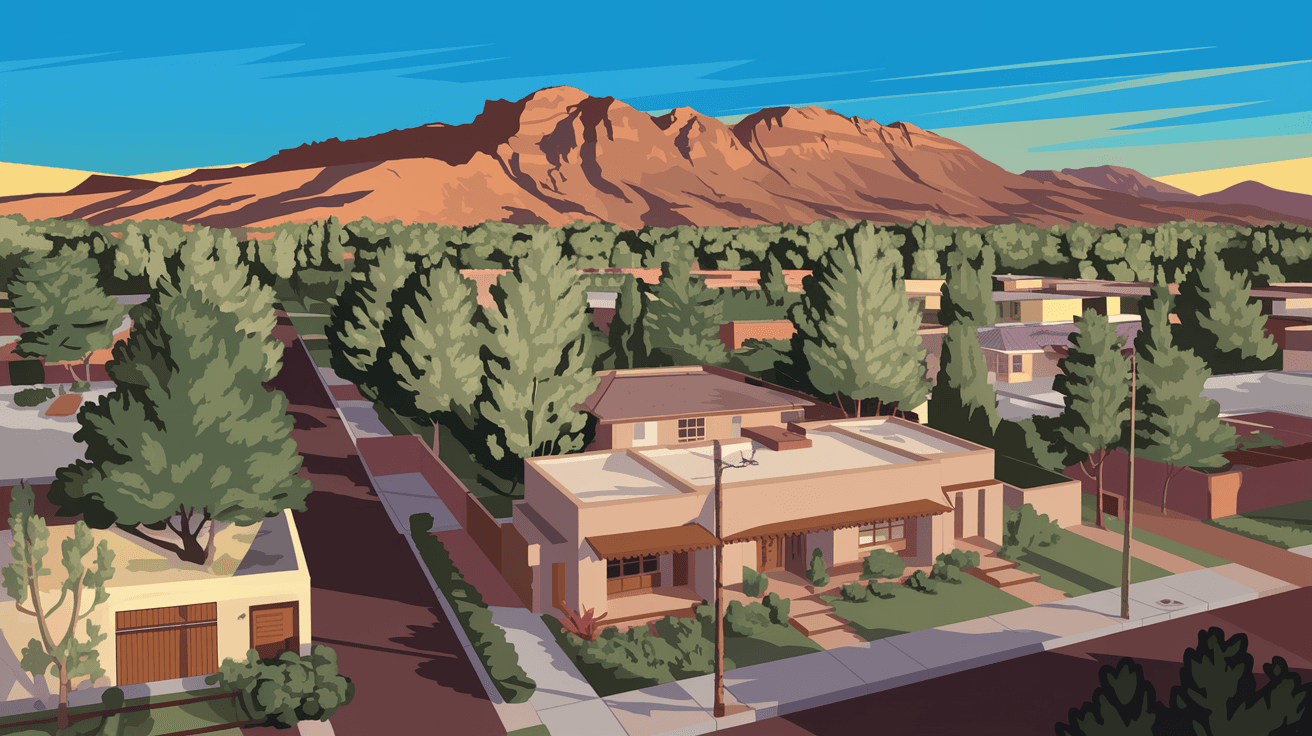
APS vs. AACPS School District Boundaries in the Northeast Heights
This is the section that most online searches gloss over, and it is the one that causes the most confusion at the kitchen table. The majority of the Northeast Heights falls within Albuquerque Public Schools (APS), but there are pockets, particularly as you push toward the edges of the Heights near Tijeras and into the East Mountains, where Albuquerque Academy Charter and private school zones come into play, and where some families also consider Albuquerque Area Charter and Private School (AACPS) options as alternatives to their zoned APS school.
For most buyers in the core Northeast Heights, the relevant question is which APS feeder pattern their address falls into. This is not trivial. The difference between being zoned for La Cueva High School versus another APS high school can affect resale value, neighborhood demand, and frankly, the entire tenor of a real estate conversation.
La Cueva High School Zone
La Cueva High School, sitting off of Wilshire and Barstow NE, is consistently one of the highest-performing public high schools in New Mexico. Homes zoned for La Cueva tend to command a noticeable premium. The feeder pattern typically runs through Eisenhower Middle School, which has its own strong academic reputation, and elementary schools like Collet Park and Comanche in the lower Heights, up through Desert Ridge and Arroyo del Oso as you move north and east.
If a listing mentions La Cueva zoning, expect to pay for it. Price per square foot in La Cueva-zoned subdivisions like High Desert and Tanoan can run $185 to $230 per square foot depending on lot size, condition, and whether the home has been updated. These are not starter home prices.
Other APS Feeder Patterns Worth Knowing
Not every buyer needs La Cueva zoning, and honestly, some of the best value in the Northeast Heights lives outside that feeder pattern. Eldorado High School serves a large swath of the mid-Heights, including neighborhoods along Juan Tabo, Tramway, and the streets east of Eubank. Homes here are often more affordable per square foot, running closer to $155 to $185, and the neighborhoods are just as established, just as walkable to Lowe's and Sprouts on Eubank, just as close to the Sandia foothills trails.
Del Norte High School covers the northern stretch of the Heights, pulling from neighborhoods near Osuna, San Mateo, and the areas north of Montgomery. These tend to be older subdivisions with bigger lots and more mature trees, and they attract buyers who want space and quiet over zip code prestige.
For families specifically weighing AACPS-adjacent options, meaning those considering Albuquerque Academy (private, not to be confused with a district), note that the school draws from across the city by application, so your home address does not determine admission. Families in this situation sometimes prioritize neighborhood character and price over feeder pattern, which can open up some genuinely undervalued blocks.
Price Per Square Foot by Subdivision: What the Numbers Actually Say
Here is where buying a home in Northeast Heights Albuquerque gets granular, and granular is good. The zip codes 87111, 87112, and 87123 each contain multiple distinct subdivisions with meaningfully different price profiles. Treating the Heights as one uniform market is how buyers end up overpaying or overlooking a deal.
High Desert and Tanoan: The Premium Tier
High Desert, the master-planned community that climbs toward the Sandia foothills off of Tramway, sits at the top of the price-per-square-foot range in the Heights. You are looking at $200 to $230 per square foot for updated homes, with HOA fees and the prestige of Sandia Mountain views baked into every listing. A 2,200-square-foot home here will likely price between $440,000 and $510,000. The architecture tends toward Pueblo Revival and Territorial styles, the lots are generous, and the trail access to the Elena Gallegos Open Space is a genuine lifestyle feature, not just a bullet point.
Tanoan, the gated community off of Eubank north of Academy, runs similarly. Security, golf course proximity, and a certain established-Albuquerque social fabric push prices into the same tier. If your budget caps at $400,000, Tanoan is probably not your neighborhood, but it is worth understanding as a benchmark.
Mid-Heights Subdivisions: The Sweet Spot for Most Buyers
The real action for buyers with $350,000 to $450,000 to spend is in the mid-Heights subdivisions: areas like Sandia Heights South, the neighborhoods between Montgomery and Academy along Juan Tabo, and the blocks surrounding Arroyo del Oso Golf Course. Price per square foot here typically runs $160 to $185, and a budget of $380,000 to $420,000 can get you a well-maintained three-bedroom, two-bath home with a two-car garage, a backyard that actually fits a grill and some lawn chairs, and mature landscaping that took thirty years to grow in.
These are the neighborhoods where you are close enough to Trader Joe's on Academy and the restaurants along Eubank to feel urban, but quiet enough on a Tuesday evening to hear the wind moving through the cottonwoods.
Eastern Heights and Foothills Fringe: Value with Trade-offs
As you push east of Tramway toward the Tijeras Arroyo and the edge of the Sandia Mountain foothills, price per square foot can actually drop to $140 to $160, but there are trade-offs. Commutes get longer, some roads are not maintained to the same standard, and certain areas sit in fire-risk zones that affect insurance costs. For buyers who work from home or genuinely love the foothills lifestyle, this is a worthy trade. For buyers who need to be downtown or in the Uptown corridor by 8 a.m., it is worth modeling the commute first.
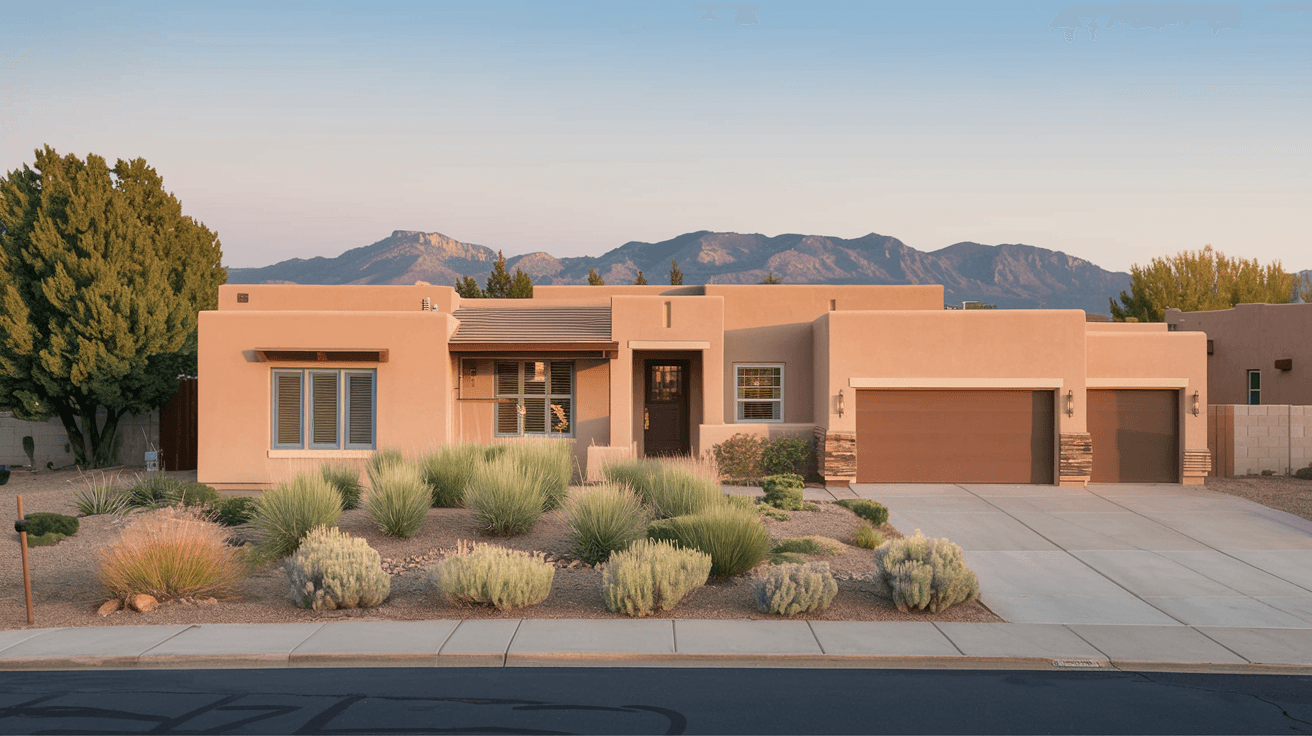
What $350K to $500K Actually Gets You in the Northeast Heights
Budget ranges are more useful when they are translated into actual square footage, finishes, and trade-offs. Here is an honest breakdown of what the market is delivering right now.
$350,000 to $380,000
At this price point in the Northeast Heights, you are typically looking at:
- •Homes built between 1970 and 1995, often in good structural shape but with older kitchens and bathrooms
- •1,400 to 1,800 square feet of living space
- •Three bedrooms, one or two baths, single-car or two-car garage
- •Lots that are manageable but not sprawling
- •Likely in an Eldorado or Del Norte feeder pattern rather than La Cueva
- •Occasional updated gem if you are patient and have a good agent sending you listings fast
This is a real entry point into the Heights, and homes here are genuinely solid. The bones of Albuquerque construction from this era tend to hold up well in our dry climate.
$380,000 to $430,000
This is where the Northeast Heights starts to deliver on its reputation:
- •1,800 to 2,400 square feet, often with updated kitchens or primary baths
- •Three to four bedrooms, two-car garage standard
- •Larger lots, more mature landscaping
- •Better odds of landing in the La Cueva or Eisenhower feeder pattern
- •Newer construction from the 1990s and early 2000s in some subdivisions
- •Covered patios, which in Albuquerque's 310 days of sunshine per year, are not a luxury
$430,000 to $500,000
Up here, the conversation shifts:
- •2,200 to 2,800 square feet becomes realistic
- •Updated finishes throughout, granite or quartz countertops, newer HVAC systems
- •High Desert and Tanoan become possible, though you may be at the lower end of those communities
- •Views, in some cases actual Sandia Mountain views from the primary bedroom or backyard
- •More recently built homes with better insulation and energy efficiency, which matters when Albuquerque summer afternoons hit 95 degrees
“Buying at $450,000 in the Northeast Heights and landing in a La Cueva feeder zone is a different financial proposition than buying the same house in the Northeast Heights outside that zone. The school boundary question is not just about education. It is about resale value five and ten years from now.
Insider Tips for Buying in the Northeast Heights
Here is the thing that only people who have spent real time in this market know: the blocks immediately east of Eubank between Candelaria and Montgomery are chronically undervalued relative to their quality. These neighborhoods feel less glamorous because Eubank itself is a commercial corridor, but turn one block east and you are in quiet, tree-shaded streets with 1,800-square-foot homes that are solid, well-located, and often priced $20,000 to $30,000 below comparable homes further north or east. The walkability to Flying Star on Eubank, the Sprouts, the gym, and the quick jump to I-40 makes this stretch genuinely practical for working families.
Also: check the BCNM (Bernalillo County) parcel viewer before you fall in love with any home near the foothills. Some lots in the eastern Heights have deed restrictions or drainage easements that affect what you can build, fence, or modify. Your agent should flag this, but it is worth knowing to ask.
Finally, if you are comparing the Northeast Heights to the North Valley or Nob Hill alternatives, remember that the Heights trades charm and walkability for space and school district reliability. That is not a knock on either side. It is just a real trade-off that different families weigh differently.
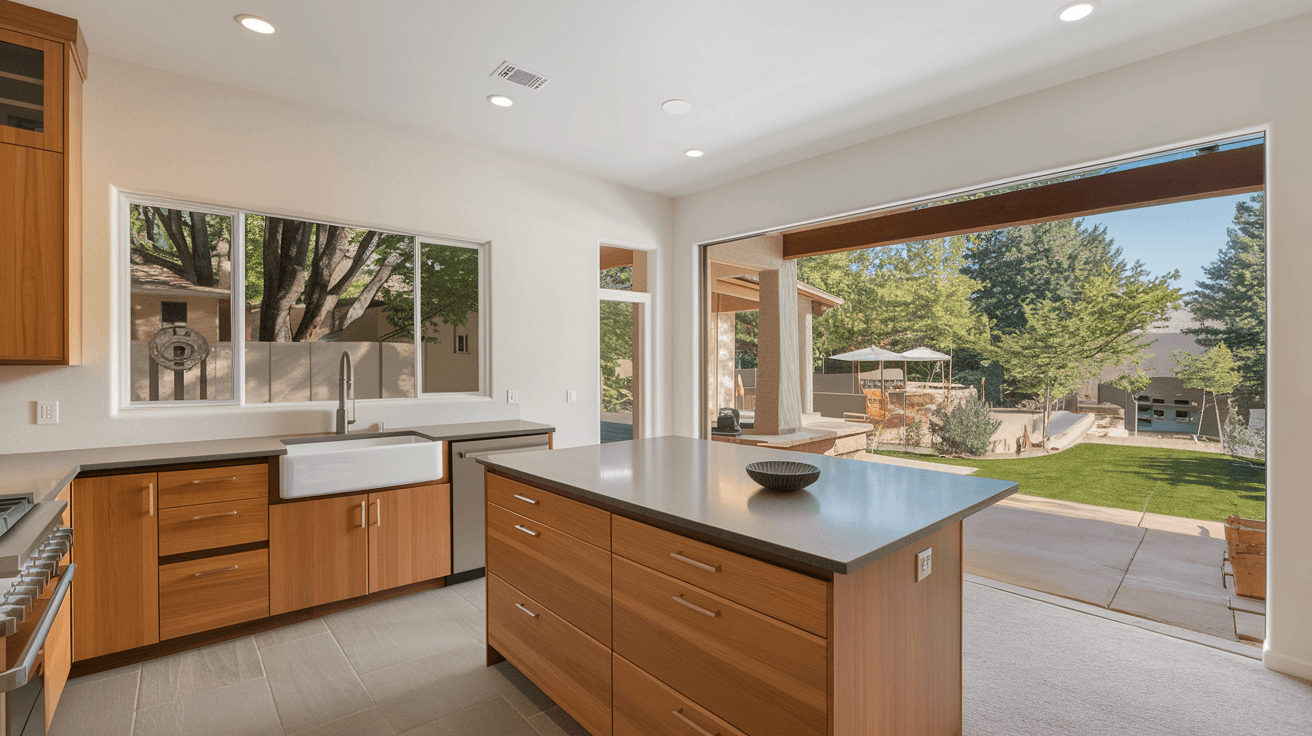
Working with a Local Agent Who Knows These Boundaries
The Northeast Heights real estate market rewards preparation. School boundary maps change occasionally, new construction pops up in unexpected spots, and the difference between a great deal and a mediocre one often comes down to knowing which streets to target before you start looking. The Taylor Team at Berkshire Hathaway HomeServices works in these neighborhoods regularly. We know which subdivisions are trending, which blocks have deferred maintenance patterns worth watching, and where the best value is hiding in plain sight.
If you are getting serious about Northeast Heights real estate in 2026 and want to walk through a personalized search strategy, reach out to the Taylor Team. A single conversation can save you weeks of confusion and, more importantly, help you make a confident offer when the right home shows up.
The Northeast Heights is not going to surprise you with hidden drama or speculative risk. It is the kind of market that rewards buyers who show up informed, move decisively, and work with people who genuinely know the difference between a Tramway address and a Juan Tabo address. That knowledge gap is where deals are made or missed.
Want more insider intel?
Subscribe to get market updates and new articles delivered to your inbox.