
Buying Land in New Mexico in 2026: What Albuquerque Metro Buyers Need to Know About Well Permits, Septic Setbacks, Soil Tests, and the True Cost of Building on a Raw Lot
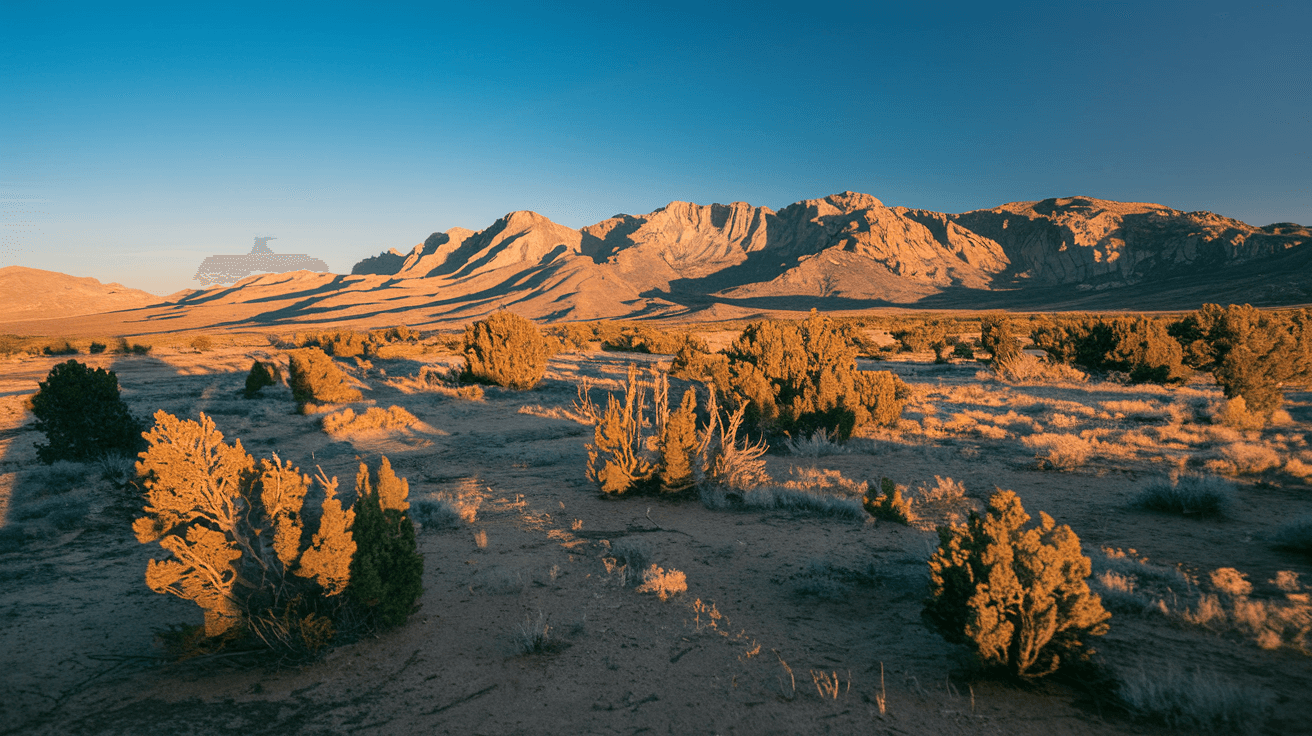
There is something almost magnetic about a raw piece of New Mexico land. You stand on a mesa west of Unser Boulevard watching the sun drop behind the volcanoes, or you walk a juniper-covered acre out past Tijeras Canyon, and your brain starts sketching a house right there in the dirt. That feeling is real, and it is not wrong. But buying land in New Mexico in 2026 is a fundamentally different transaction than buying a home, and the gap between what a parcel costs on paper and what it truly costs to build on it can run well into six figures before a single wall goes up.
The Albuquerque metro is sitting at a median home price of around $385,000 right now, with active inventory hovering near 3,850 listings and homes moving in roughly 34 days at a list-to-sale ratio of 97.1 percent. That means move-in-ready homes are competitive. A lot of buyers are looking at raw land as a way to sidestep that competition, build exactly what they want, and potentially come out ahead. Sometimes that math works beautifully. Sometimes it does not. The difference almost always comes down to due diligence on four things: well permits, septic setbacks, soil conditions, and infrastructure costs.
This is not a scare piece. Plenty of people build wonderful homes on raw lots in this region every year. This is the conversation we have with clients before they write an offer, so nothing surprises them after.
Well Permits for New Mexico Land: What the State Actually Requires
New Mexico is one of the most water-stressed states in the country, and the Office of the State Engineer takes that seriously. If a parcel you are considering does not have municipal water service, you are going to need a domestic well permit before you can build. That sounds simple. It is not.
The New Mexico Office of the State Engineer (OSE) controls all groundwater rights in the state. For a domestic well on a parcel less than three acres, you are looking at a permit that allows up to three acre-feet of water per year for household use, irrigation of up to one acre, and livestock. That sounds like plenty until you realize that in certain basins, the OSE is no longer issuing new domestic well permits because the aquifer is over-appropriated.
The Middle Rio Grande Basin, which covers most of the Albuquerque metro proper, is one of those restricted areas. If you are buying raw land in the Albuquerque metro that falls within city limits or areas served by Albuquerque Bernalillo County Water Utility Authority, this is less of an issue because you will tie into municipal water. But the moment you start looking at parcels in unincorporated Bernalillo County, Sandoval County toward Placitas or Cuba, Torrance County near Estancia, or Valencia County south of Belen, the well question becomes central to whether the land is buildable at all.
What to Check Before Making an Offer on a Rural Lot
Before you write an offer on any parcel outside municipal service areas, pull the OSE well permit database and check:
- •Whether an existing permitted well is already on the property
- •The water rights status for that specific hydrographic basin
- •Depth to groundwater in that area (neighbors with existing wells are your best data source)
- •Whether the permit is a domestic well permit or a larger commercial or irrigation permit
Well drilling in the East Mountains runs anywhere from $8,000 to $25,000 or more depending on depth. Out past Moriarty or down toward Belen where the water table drops significantly, you can be looking at 600-foot wells that push costs even higher. And if the OSE will not issue a new permit for that basin, the land may be legally unbuildable for residential use without an alternative water source.
Insider tip: The Placitas area in northern Sandoval County has a complicated water situation that has caught buyers off guard for years. Some parcels there have adjudicated water rights tied to old acequia systems. Others have domestic well permits. Some have neither. The Sandoval County Planning Department can tell you a lot, but a water rights attorney familiar with northern New Mexico is worth every penny before you close on anything out that direction.
New Mexico Septic System Requirements and Setback Rules
If your land is not on municipal sewer, you will need an on-site liquid waste system, which most people call a septic system. In New Mexico, this falls under the jurisdiction of the New Mexico Environment Department (NMED), specifically the Ground Water Quality Bureau. Every county also has its own environmental health department that works in conjunction with state rules.
The permitting process starts with a soil evaluation, sometimes called a perc test or percolation test, though New Mexico has moved toward a more comprehensive soil morphology evaluation that goes beyond the old-school perc test. A licensed Liquid Waste Practitioner or a licensed professional engineer performs this evaluation and submits findings to the state.
Here is where things get complicated on smaller lots. New Mexico requires specific setback distances between your septic components and other features:
- •100 feet from any water well
- •50 feet from any property line (in many situations)
- •100 feet from any surface water, acequia, or irrigation ditch
- •Specific distances from the home foundation, depending on system type
On a one-acre lot, meeting all of these setbacks simultaneously while also leaving room for the house, a driveway, and the required repair area for the septic field can become a geometric puzzle with no solution. This is exactly why a soil evaluation and a preliminary site plan should happen during your due diligence period, not after closing.
Soil Types That Cause Problems in the Albuquerque Region
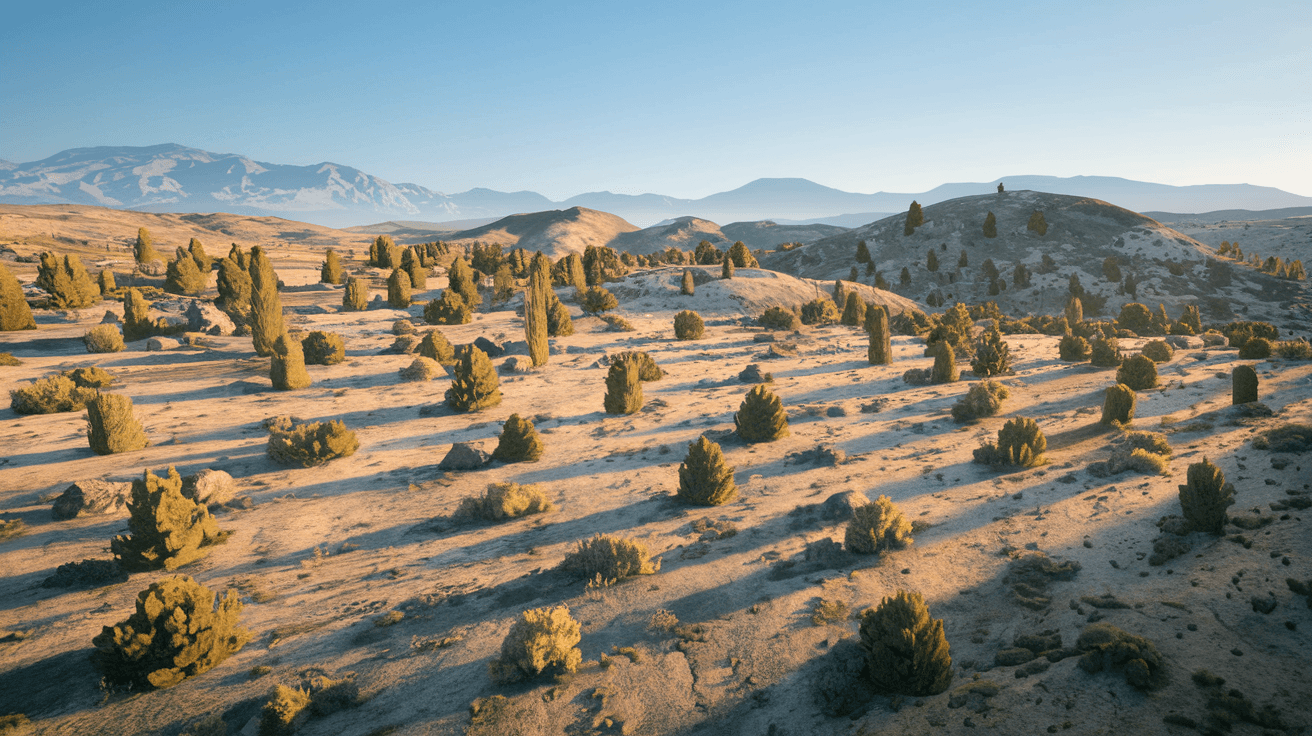
The soils in this part of New Mexico are not uniform. You can have two parcels a quarter mile apart with completely different drainage characteristics. The caliche layers that run through much of the West Side and Rio Rancho mesa are notorious for failing conventional perc evaluations. Caliche is a hardened calcium carbonate layer that water simply will not move through at the rates needed for a standard leach field.
When conventional systems fail the soil evaluation, you have options, but they cost more:
- •Mound systems that raise the leach field above grade
- •Aerobic treatment units that treat effluent before dispersal
- •Drip irrigation systems designed for liquid waste dispersal
- •Engineered systems designed by a licensed PE for challenging soils
These alternative systems can add $10,000 to $30,000 or more to your septic costs compared to a conventional system. Budget accordingly.
“The number one mistake raw land buyers make in the Albuquerque metro is treating a septic permit as a formality. It is not. In challenging soil conditions, it is the difference between a buildable lot and an expensive piece of desert you cannot use.
Soil Tests and Site Preparation Costs on a Raw Lot
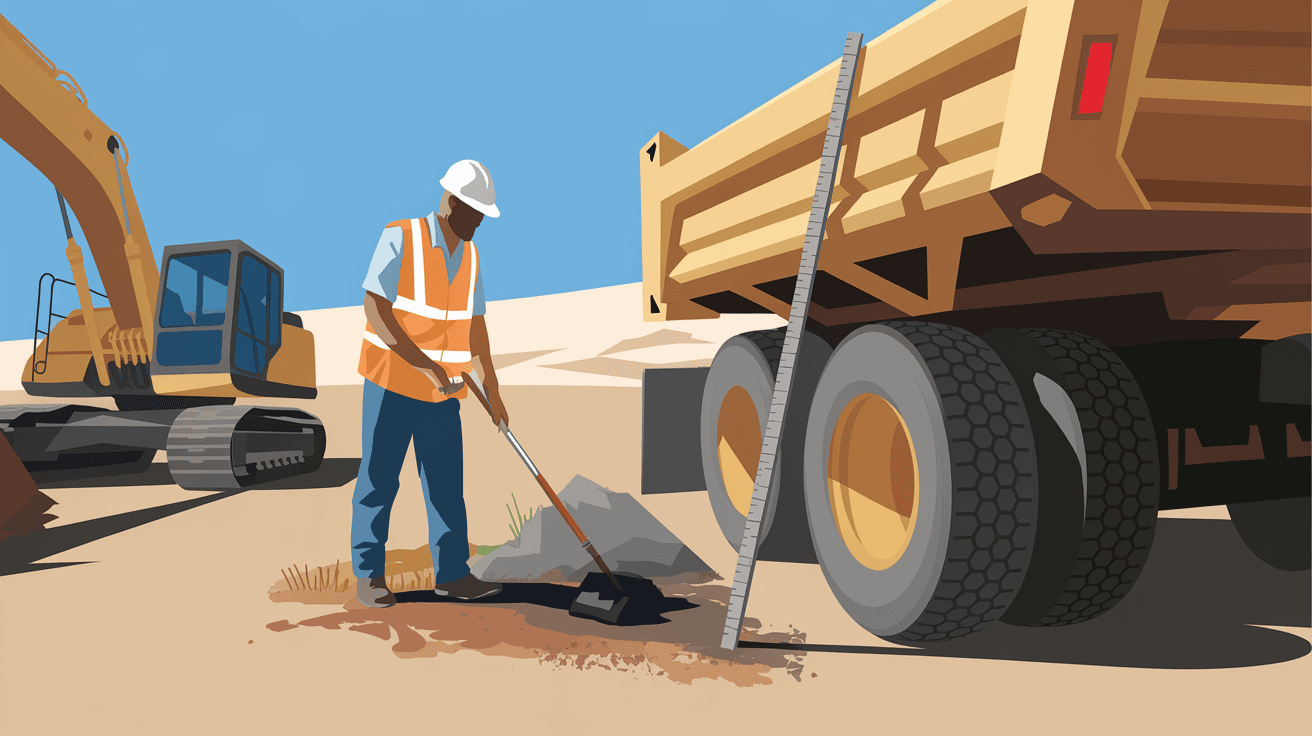
Beyond the septic evaluation, a geotechnical soil report is something most lenders require for construction financing and that any smart builder will want before setting a foundation. This report, typically performed by a licensed geotechnical engineer, examines the load-bearing capacity of the soil, identifies any expansive clay content, checks for subsidence risk, and informs what type of foundation your home will need.
In parts of the Rio Rancho mesa and some areas near the bosque, expansive soils can cause significant foundation movement if not properly addressed. The report itself usually runs $1,500 to $3,500. The foundation design changes it might require can add tens of thousands of dollars to your build.
Site preparation on a raw lot also includes costs that buyers routinely underestimate:
- •Land clearing and grading: $2,000 to $15,000 depending on vegetation, slope, and lot size
- •Driveway construction: A basic gravel driveway on a rural lot can run $3,000 to $10,000 or more
- •Utility trenching: Running electrical service from the road to your building site is charged by the linear foot
- •Propane tank installation if natural gas is not available
- •Erosion control required during construction
The True Cost of Building on Raw Land Near Albuquerque in 2026
Let's put some real numbers together so you can see what buying land in New Mexico in 2026 and building on it actually looks like financially. These are not worst-case numbers. These are realistic mid-range estimates for a standard residential build on a rural or semi-rural parcel in the Albuquerque metro area.
Assume you purchase a two-acre parcel in the East Mountains for $80,000. Here is what comes next:
- •Well drilling and pump installation: $15,000 to $25,000
- •Water rights legal review: $1,500 to $3,000
- •Septic design, permitting, and installation: $12,000 to $30,000
- •Geotechnical report: $2,000 to $3,500
- •Site grading and clearing: $5,000 to $12,000
- •Electrical service connection: $5,000 to $20,000 depending on distance from the road
- •Driveway: $4,000 to $10,000
- •Building permit fees (Bernalillo or Sandoval County): $2,000 to $6,000
- •Architectural plans or design-build package: $8,000 to $25,000
- •Construction costs for a 1,800 sq ft home at current regional rates: $270,000 to $400,000
Add that up and your all-in cost before landscaping or finish upgrades is somewhere between $404,500 and $614,500 on an $80,000 lot. Compare that to the metro median of $385,000 for an existing home, and you can see why the math does not always pencil out the way buyers hope.
That said, if you are building a custom home with specific features, an ADU, a workshop, or a horse setup, or if you simply want land and privacy that does not exist in established neighborhoods near Tramway or Montgomery, the premium can absolutely be worth it. The point is to go in knowing the real number, not the fantasy number.
Financing Raw Land Is Different Than Financing a Home
Conventional mortgage financing does not apply to raw land. Most banks and credit unions offer land loans with different terms: higher down payments (typically 20 to 35 percent), shorter loan terms, and higher interest rates than a standard home purchase. Once you are ready to build, you would transition to a construction loan, which then converts to a permanent mortgage upon completion.
This two-step financing process means you need strong reserves and a clear construction timeline. Work with a lender who has experience with New Mexico land and construction loans specifically, not just a general mortgage officer who handles standard purchases all day.
“Land in New Mexico rewards buyers who do their homework. The due diligence period on a raw lot should be treated like a mini-feasibility study, not a formality before you get to the fun part.
How to Protect Yourself During the Due Diligence Period
A well-written purchase agreement on raw land should give you enough time and access to conduct real due diligence. The standard residential contract timelines are often not sufficient for land transactions. When we represent buyers on land purchases, we push for due diligence periods of 30 to 60 days and specific contingencies tied to:
- •Well permit availability or confirmation of water service
- •Passing soil evaluation for septic
- •Satisfactory geotechnical report
- •Confirmation of legal access (not all rural parcels have deeded road access)
- •Zoning verification with the county
- •Confirmation of utility availability or cost to extend
Legal access is something that trips up buyers more than almost anything else. A parcel can be landlocked with no legal right-of-way to reach it, or it can have a dirt track that has been used for decades with no recorded easement. Either situation creates real problems when you go to build or sell.
If you are seriously considering a raw lot purchase in the Albuquerque metro, reach out to us at The Taylor Team before you start making offers. We have worked with buyers across Bernalillo, Sandoval, Valencia, and Torrance counties and we know which areas have consistent water access, which soil conditions tend to cause issues, and how to structure an offer that protects you through the due diligence process.
Zoning, Access, and County Regulations That Affect Raw Land Albuquerque Metro Buyers
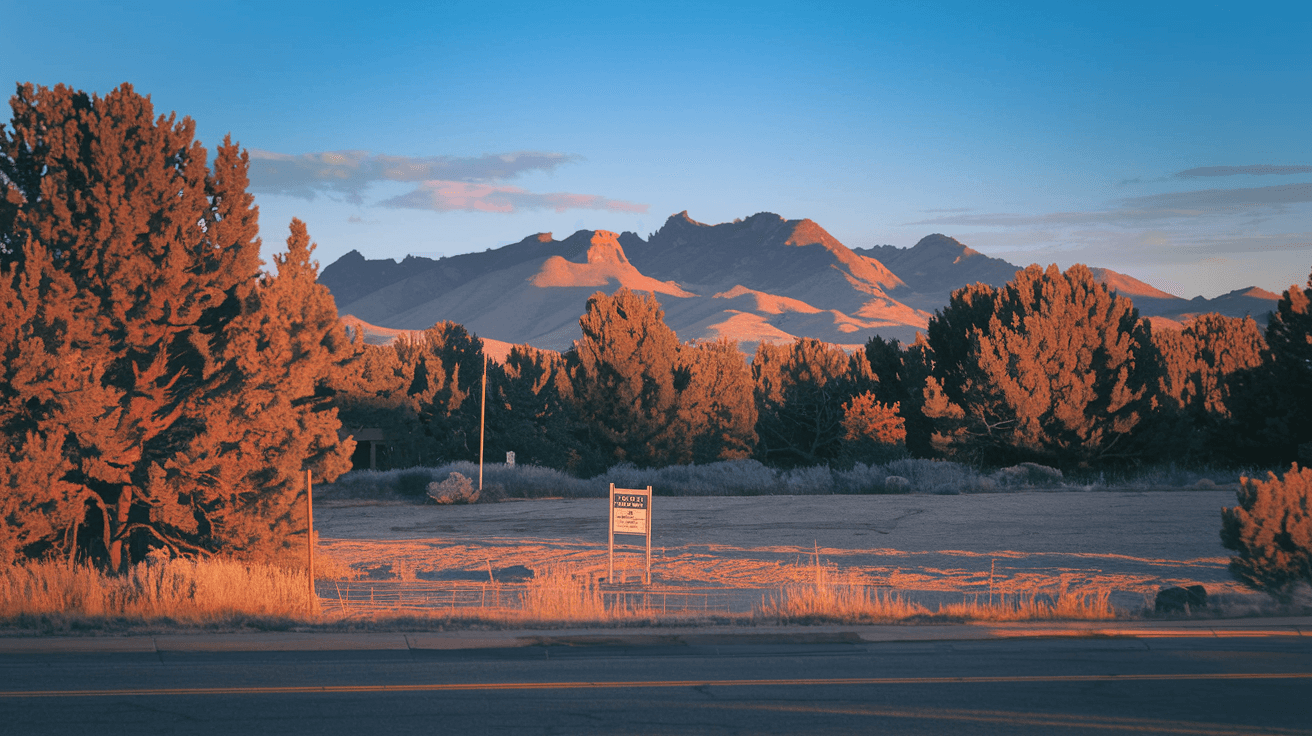
Bernalillo County, Sandoval County, and Valencia County each have their own zoning codes, subdivision regulations, and building department requirements. What is allowed on a parcel in unincorporated Bernalillo County may not be permitted in Sandoval County, and the Rio Rancho city limits have their own rules on top of that.
Some things to verify before buying any raw parcel in this region:
- •Minimum lot size for the zoning district and whether your parcel meets it
- •Setback requirements from property lines, roads, and arroyos
- •Arroyo setbacks: The Middle Rio Grande Conservancy District and county floodplain administrators have authority over development near arroyos, and New Mexico arroyos can be deceptively large after a monsoon
- •HOA or subdivision covenants that may restrict what you can build or how
- •Deed restrictions from prior owners that may limit use
- •Agricultural zoning that may require a minimum acreage for residential development
The monsoon season is worth mentioning specifically because New Mexico buyers who come from other states consistently underestimate how dramatically arroyos behave in July and August. A dry wash that looks harmless in March can carry a ten-foot wall of water in August. FEMA flood maps are a starting point, but local knowledge matters here. Longtime Albuquerque residents know that the Paseo del Norte and Tramway area flooding is not just an inconvenience, it is a preview of what unmanaged arroyo proximity can do to a property.
Raw land in New Mexico in 2026 is still a genuinely exciting opportunity for the right buyer with the right project. The state has land that offers views, privacy, and character that finished subdivisions simply cannot replicate. The buyers who come out ahead are the ones who treat due diligence as the most important phase of the transaction, not a checkbox before the real work begins. If you are ready to start evaluating parcels in the metro or the surrounding counties, we are happy to walk through what makes a lot viable and what makes it a problem before you spend a dime on it.
Want more insider intel?
Subscribe to get market updates and new articles delivered to your inbox.