Downtown Albuquerque Homes for Sale 2026: EDo Arts District Living, Loft Condos, and Real Urban Core Prices
If you have spent any time walking Central Avenue between 4th Street and Carlisle, you already know that downtown Albuquerque and the East Downtown Arts District (EDo) are not what they were ten years ago. The conversation has shifted. People are not just asking about Old Town or the Heights anymore. They are asking about downtown Albuquerque homes for sale in 2026, and for good reason. The urban core is producing real options for buyers who want walkability, culture, and a shorter commute, all at a price point that still undercuts most comparable metros by a significant margin.
This is not a pitch for a neighborhood that might be great someday. This is a look at what is actually happening on the ground right now, block by block, and what you need to understand before you make a move here.
Downtown Albuquerque Real Estate Market Data for 2026
Let's start with the numbers because they tell an honest story. The median home price in downtown Albuquerque and EDo sits around $332,000 in 2026, which is notably below the Albuquerque metro median of $385,000. That gap matters. You are getting urban proximity, walkable amenities, and a neighborhood with genuine cultural momentum for less than the metro average. That is not something you see in Denver, Phoenix, or Austin anymore.
The broader metro is sitting at about 3,850 active listings with 3.3 months of inventory, which keeps Albuquerque firmly in seller-friendly territory without the outright frenzy of a few years back. Average days on market metro-wide is 31 days, and the list-to-sale ratio is running at 98.1%, meaning well-priced homes are not sitting and sellers are not giving much away. In the urban core specifically, move-in-ready loft condos in desirable buildings tend to move faster than that average suggests.
What Types of Properties Are Actually Available Downtown
The inventory mix in this part of the city is unlike anything else in Albuquerque. You are not shopping among ranch-style homes on quarter-acre lots. The urban core offers a genuinely different product type:
- •Loft condos in converted historic buildings along Central and Gold Avenue
- •Ground-up condo developments near the Alvarado Transportation Center
- •Live-work units in EDo that appeal to artists, designers, and remote workers
- •Small attached townhomes on the fringes of downtown near 8th and Tijeras
- •Historic Craftsman and Victorian single-family homes in the Huning Highland neighborhood that borders EDo to the east
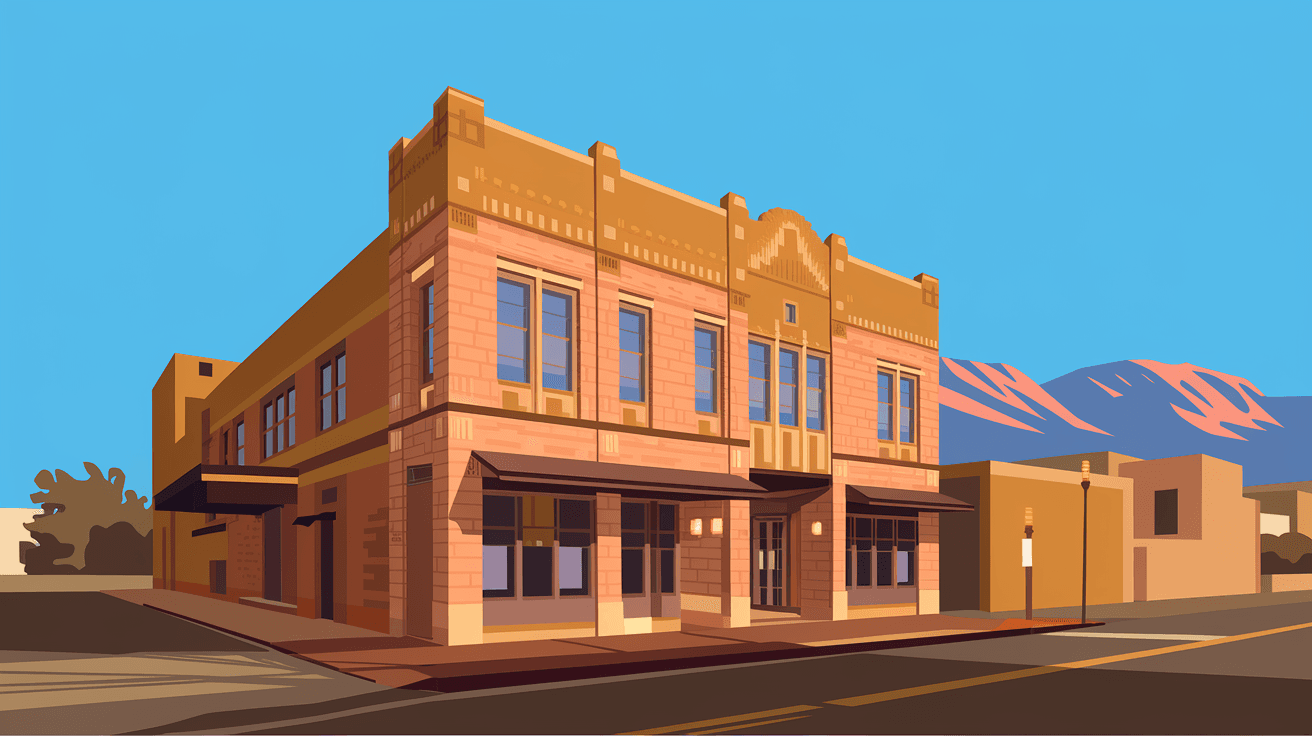
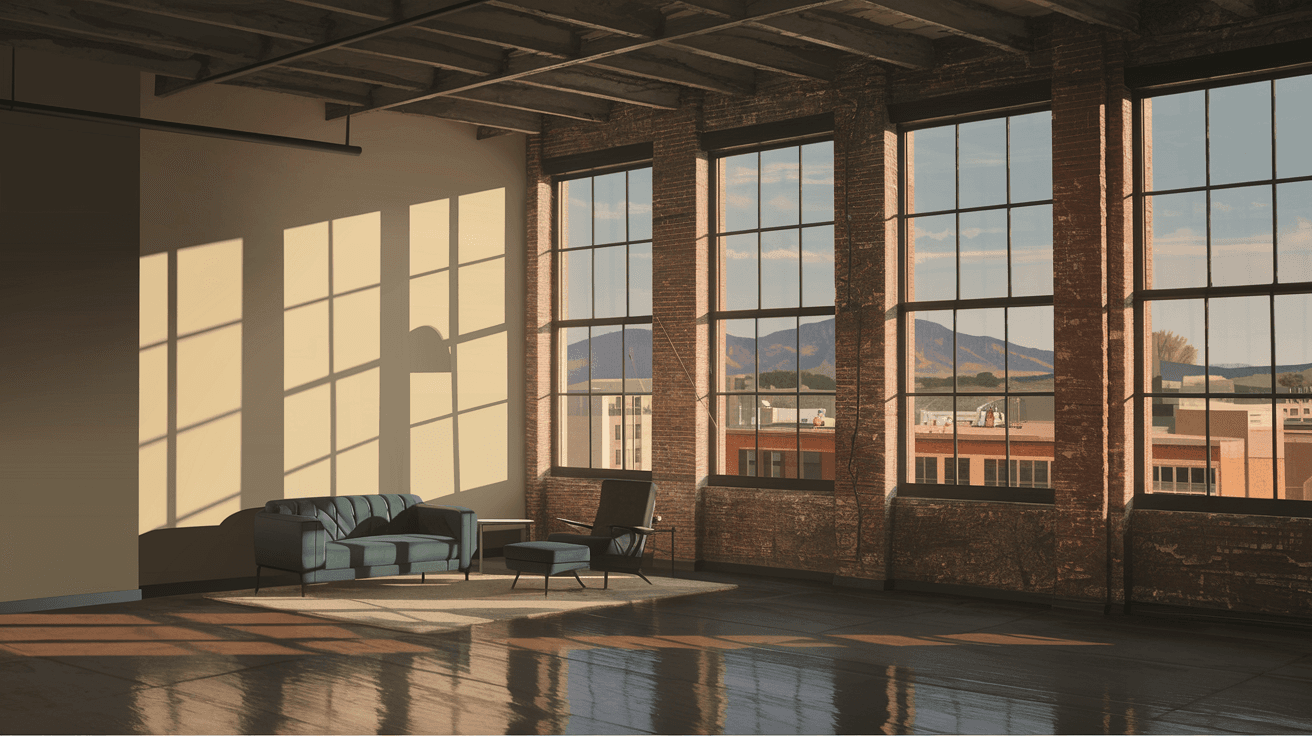
The loft condo market is where most buyer interest concentrates. Units in buildings like the Sunshine Building on Central and the renovated warehouses along Broadway carry price points that range from the low $200s for a compact studio to the mid-$400s for a larger two-bedroom with exposed brick, high ceilings, and city views. Pricing per square foot runs higher than in the Heights or the South Valley, but the lifestyle premium is real and the square footage math still works compared to coastal cities.
EDo Albuquerque Real Estate: What the Arts District Actually Offers Buyers
EDo Albuquerque real estate has its own identity separate from the central business district a few blocks west. The boundaries are roughly Central to the south, I-25 to the east, Lomas to the north, and Broadway to the west, though locals tend to define it more by feel than by street. If you can walk to Talin World Market on Louisiana for groceries or grab coffee at Zendo on Gold without getting in a car, you are in the zone.
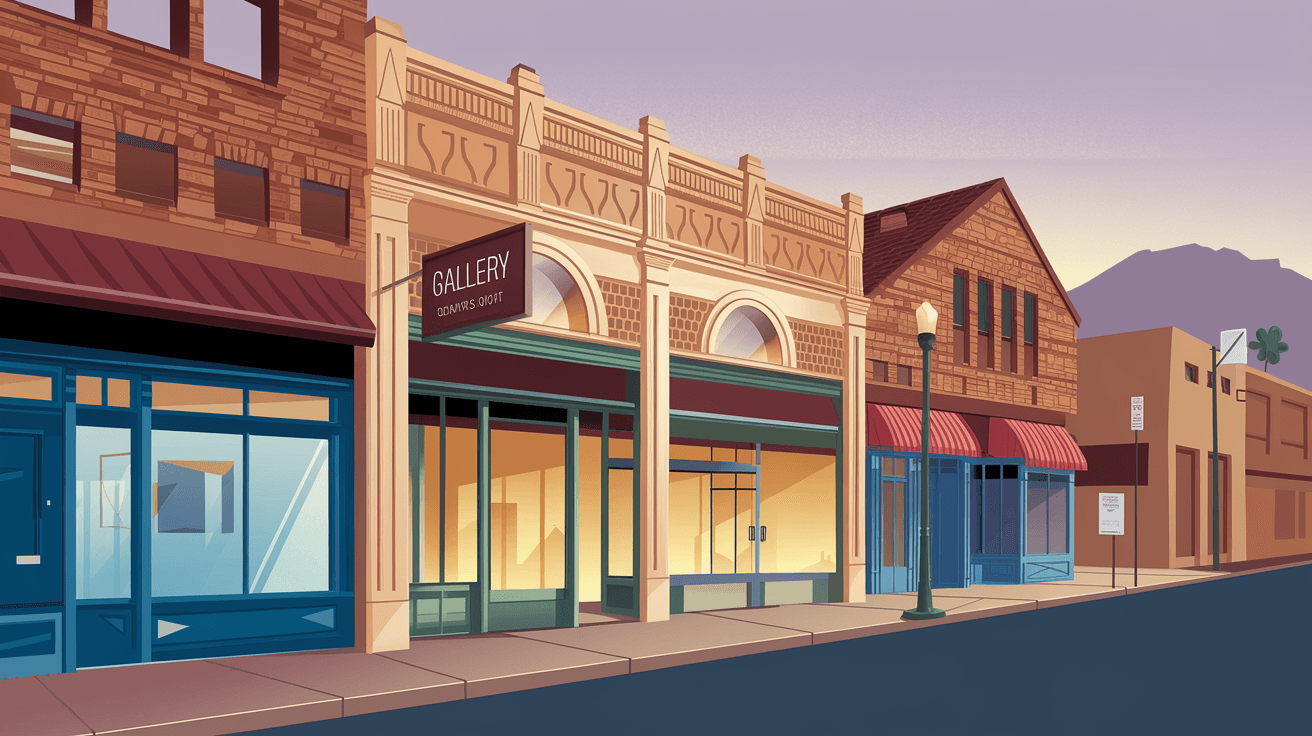
The arts district designation is not just marketing language. EDo hosts 516 Arts, one of the most respected contemporary art spaces in the Southwest. The Albuquerque Museum anchors the cultural corridor near Mountain Road. First Friday ArtWalks draw a real crowd through galleries on Gold and Copper. The KiMo Theatre on Central, with its Pueblo Deco architecture that genuinely exists nowhere else in the world, is a five-minute walk from most EDo addresses.
“Living in EDo means your Friday night plans are already built into your zip code. The question is which opening you go to first.
For buyers who come from cities with established arts districts, EDo feels familiar but costs far less. For buyers upgrading from suburban Albuquerque, it can feel like a genuine lifestyle shift, and that is exactly the appeal.
The Walkability and Transit Reality
Albuquerque is a car city. No point pretending otherwise. But downtown and EDo are the exception to that rule, and the gap between here and the rest of the metro is measurable. The Alvarado Transportation Center on First Street puts you on the Rail Runner to Santa Fe in under an hour. The Rapid Ride transit line runs along Central through the heart of both neighborhoods. If you work downtown or at UNM, a car becomes optional rather than mandatory, which is a genuinely rare thing in this city.
Bike infrastructure along the Paseo del Bosque Trail connects EDo riders toward the river. The trail system is legitimately excellent and underused by people who have not discovered it yet. That is your insider tip: park your car on a Saturday morning, get on the Paseo del Bosque near Tingley Beach, and ride north or south for as long as you want. You will understand the city differently by the end of it, and you will understand why buyers who prioritize outdoor access are looking at urban core addresses.
Downtown ABQ Loft Condo Prices: A Realistic Breakdown
If you are researching downtown ABQ loft condo prices, the range is wide enough that a single number does not tell the full story. Here is how the market actually breaks down by product type in 2026:
- •Studio and junior one-bedroom lofts: $185,000 to $240,000, typically in older converted buildings with character but sometimes with older mechanical systems
- •One-bedroom lofts in renovated buildings: $240,000 to $310,000, often featuring updated kitchens, in-unit laundry, and secure parking
- •Two-bedroom loft condos: $310,000 to $420,000 depending on square footage, finishes, and building amenities
- •Premium units with rooftop access or significant city views: $400,000 to $500,000 and occasionally above in newer construction
HOA fees are a real factor here. Many downtown buildings carry monthly dues between $300 and $600, which covers building maintenance, insurance, and often utilities like water and trash. That changes your monthly payment calculation meaningfully, and buyers sometimes get surprised by it. Budget for it upfront.
Property taxes in Bernalillo County are relatively modest compared to Texas or Colorado, and New Mexico's Head of Household exemption can reduce your assessed value if the property is your primary residence. Worth asking your agent about before you close.
Who Is Actually Buying Downtown Albuquerque Homes in 2026
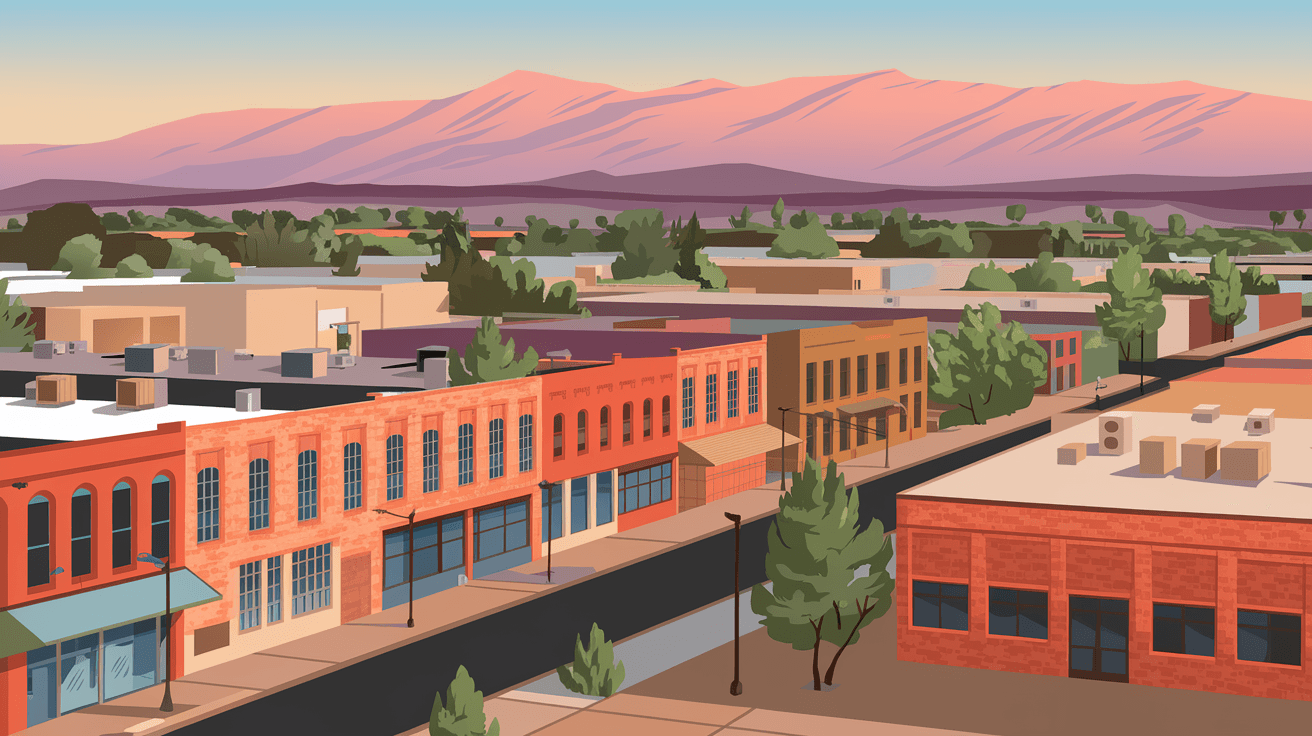
The buyer profile in this part of the city has shifted over the past three years. The early wave of urban pioneers who bought into downtown when it was genuinely rough around the edges has been joined by a broader group:
- •Remote workers who moved here from higher-cost metros and want a walkable lifestyle without paying Austin or Denver prices
- •UNM and CNM faculty and staff who want proximity to campus without the Nob Hill price premium
- •Empty nesters from the Heights and Rio Rancho who are done with lawn maintenance and want to walk to dinner
- •First-time buyers who are priced out of the Heights and find that a well-priced loft condo actually pencils out better than they expected
- •Artists and creative professionals who need live-work space and want to be near the gallery infrastructure
The neighborhood still attracts buyers who are comfortable with urban texture. Downtown Albuquerque is not sanitized. There are social service facilities nearby. There is street-level activity that is not always quiet. The buyers who thrive here tend to be people who see that complexity as part of urban life rather than a dealbreaker, and who have done their due diligence on specific blocks and buildings rather than treating the whole area as a monolith.
What to Watch for When Buying in This Neighborhood
A few things that matter more here than in other parts of the city:
- •Building age and mechanical condition: Many of the most attractive loft conversions are in buildings from the 1920s through 1940s. Get a thorough inspection and ask specifically about roof, plumbing, and electrical.
- •HOA financial health: Request the reserve fund study and meeting minutes before you commit. An underfunded HOA in an aging building is a significant risk.
- •Parking: Some buildings have dedicated secured parking, some do not. If you are keeping a car, this matters more than you think on a Tuesday night in December.
- •Street-level noise: Units facing Central Avenue can be loud. Units facing interior courtyards or side streets are meaningfully quieter. Visit at different times of day.
- •APS school zoning: The Albuquerque Public Schools district serves this area, and specific school assignments vary by address. If schools are a factor in your decision, verify the exact assignment for any property you are considering.
“The buyers who do best in downtown Albuquerque are the ones who buy a specific building and a specific unit, not just a general idea of urban living.
Is Downtown Albuquerque the Right Move for You in 2026
Here is the honest version of this conversation. Downtown Albuquerque and EDo are not for everyone, and they are not trying to be. If you need a yard, a two-car garage, and a quiet cul-de-sac, the North Valley or Rio Rancho will serve you better. If you want the largest square footage for your dollar, the Southeast Heights or the South Valley will win that comparison.
But if you want to walk to Nexus Brewery on a Thursday, catch a show at the Revel Entertainment Center, have the Balloon Fiesta park accessible without fighting I-25 traffic, and wake up in a space that has genuine architectural character, the urban core offers something the rest of the metro cannot replicate.
The median price around $332,000 means you are not overpaying for the privilege. The market data suggests well-priced properties are moving quickly, so waiting for prices to drop significantly is not a strategy that recent history supports. Inventory is available, but the good stuff does not sit long.
If you are seriously considering downtown Albuquerque homes for sale in 2026, the best first step is a conversation with someone who knows these buildings specifically. The Taylor Team works this market regularly and can walk you through which buildings have the strongest financials, which blocks have improved the most in the past two years, and how to structure an offer that holds up in a 98% list-to-sale environment. Reach out and let's start with a real conversation about what fits your situation.
Downtown Albuquerque in 2026 is a genuine option, not a consolation prize. The market data, the lifestyle infrastructure, and the price point are all aligning in a way that makes the urban core worth a serious look. The neighborhood still has rough edges, but that is also why the prices have not caught up to what the lifestyle actually delivers. That window does not stay open indefinitely.
Want more insider intel?
Subscribe to get market updates and new articles delivered to your inbox.