Hatch Chile Season Albuquerque: How Roasting Culture and New Mexico Food Identity Are Shaping Where Buyers Choose to Live in 2026
Every August, something shifts in Albuquerque. The air carries that unmistakable smoky sweetness before you even see the black drum roasters spinning outside grocery stores, farm stands, and parking lots from Corrales Road all the way down to the South Valley. If you grew up here, your chest does something involuntary when that smell hits. If you moved here, you remember the exact moment you understood what people meant when they said New Mexico is a feeling.
Hatch chile season Albuquerque is not a marketing campaign. It is not a festival weekend. It is a six-week cultural immersion that tells you more about a neighborhood's character than any listing description ever could. And in 2026, buyers are paying attention to that in ways we have not seen before.
Hatch Chile Season Albuquerque: What It Actually Looks Like on the Ground
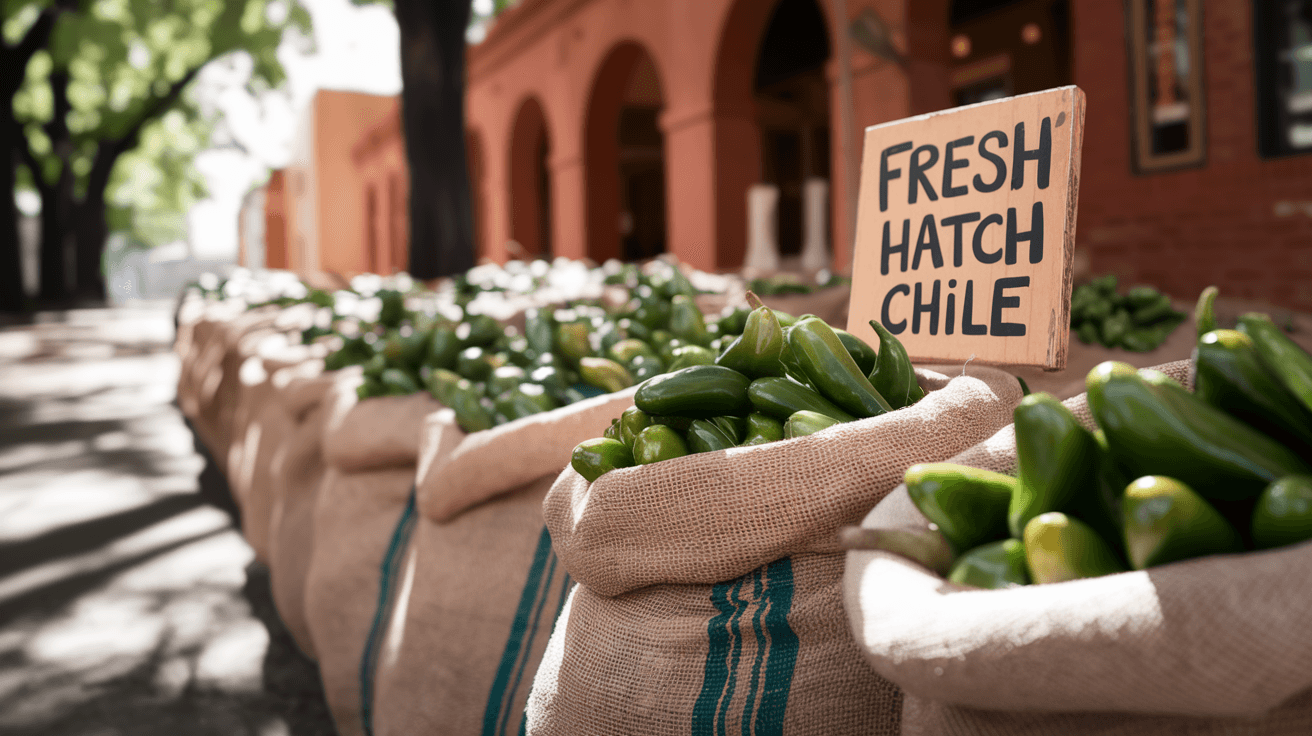
Let's be specific, because this matters. Starting in late July and running through early September, you will find roasters set up at the Lowe's on Osuna, at Smith's locations across the metro, at the Cottonwood Farmers Market off Coors, and at roadside stands that appear almost overnight along Rio Grande Boulevard. The Hatch Chile Store on 4th Street NW has a line out the door on weekends. Loyola's Family Restaurant on Central starts featuring fresh green chile dishes that regulars track like a seasonal menu event.
This is not background noise. This is community infrastructure. And for buyers relocating from Phoenix, Denver, or the coasts, experiencing Hatch chile season before they close on a house is increasingly becoming part of their decision-making process.
What they are finding is that New Mexico food identity is hyperlocal. The neighborhood where you buy your chile matters. The farmers market you walk to on Saturday morning shapes your weekly rhythm. The proximity to a roaster you trust, a farm stand you love, or a restaurant that sources locally is now a legitimate amenity that buyers are factoring into their searches alongside square footage and school ratings.
Albuquerque Farmers Markets and the Neighborhoods Built Around Them
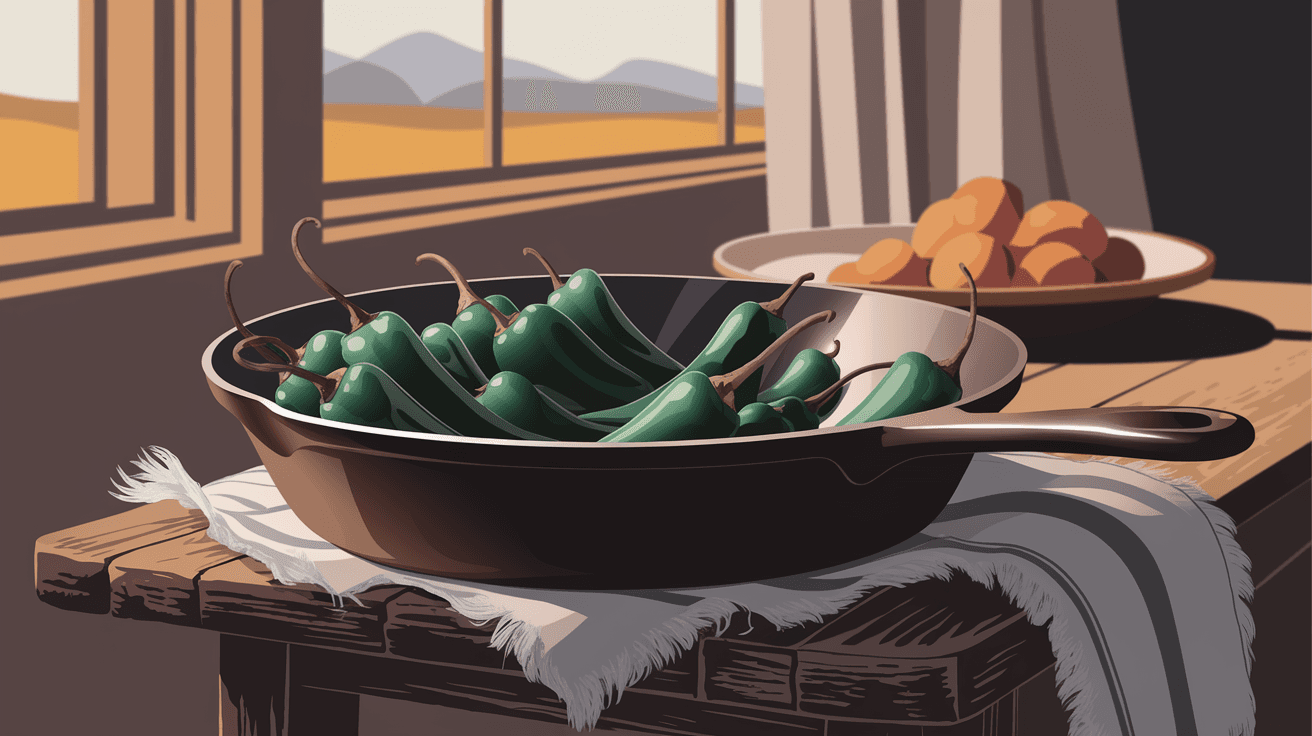
The Albuquerque Farmers Market scene in 2026 has matured into something genuinely impressive. The Downtown Growers' Market at Robinson Park on Central runs Saturday mornings from mid-May through November and draws vendors from across the Rio Grande valley. The Nob Hill Growers' Market on Lead Ave has its own loyal crowd. The Corrales Growers' Market, technically just over the line in Corrales but deeply connected to North Valley buyers, is the kind of place where you see the same faces every week and know which vendor saves back the best Hatch varieties for regulars.
Here is the insider truth that only people living in this market know: the best Hatch chiles at the farmers markets go fast, and they go to regulars. If you show up at 10 a.m. on a Saturday at the Corrales market expecting to find a full selection of Big Jim or Barker Extra Hot, you are going to be disappointed. The buyers who live in North Valley, who walk or bike to these markets, who have built relationships with the Romero family farm stand or the vendors who come up from Doña Ana County, those buyers get first access. That is a lifestyle advantage that does not show up on Zillow.
This is one reason the North Valley keeps appearing in conversations with buyers who are serious about integrating into Albuquerque's food culture rather than just living adjacent to it.
“"When buyers tell me they want to feel like they actually live in New Mexico, not just in a house in New Mexico, I start the conversation with North Valley. The access to farms, the Rio Grande bosque, the markets, the roasters on Rio Grande Boulevard in August — that is the real thing."
Why North Valley Albuquerque Is Attracting Culture-Driven Buyers in 2026
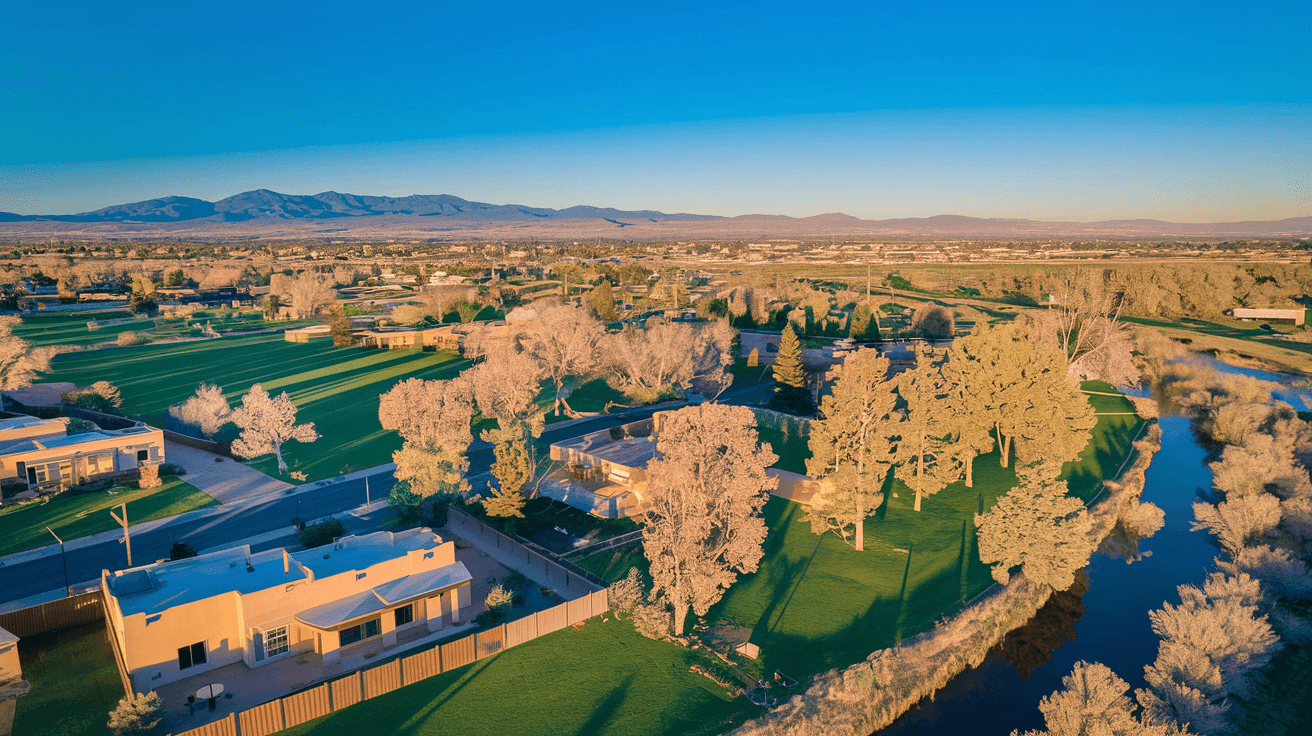
North Valley sits in a part of Albuquerque that still feels agricultural in the best possible way. You have horse properties and half-acre lots within fifteen minutes of Uptown. The median home price in North Valley is around $445,000, which for the square footage, the lot sizes, and the proximity to the bosque trails along the Rio Grande, represents genuine value compared to what buyers are leaving behind in other metros.
The neighborhood feeds into APS schools including Jefferson Middle School and Valley High, and while every family does their own research on schools, what buyers consistently mention is the community cohesion in North Valley. The kind that gets built at farmers markets, at chile roasting events, at the acequia workdays that still happen in this part of the city.
The acequias, for buyers who are new to New Mexico, are the historic irrigation channels that have run through the North Valley for centuries. They are still functional. They are still maintained by the communities that border them. Buying a home near an acequia in North Valley means buying into a living piece of New Mexico agricultural history. That is not something you can replicate in a master-planned subdivision off Paseo del Norte.
How New Mexico Food Identity Is Becoming a Real Estate Signal in 2026
New Mexico lifestyle real estate has always had a cultural dimension, but 2026 is the year we are seeing buyers explicitly name food culture as a deciding factor. Not just in conversation, but in how they narrow their search criteria.
Buyers are asking questions like:
- •How close is this house to a roaster I can use every August?
- •Is there a farmers market within walking or biking distance?
- •Are there local restaurants in this neighborhood that source New Mexico ingredients?
- •Can I grow a garden here, and what is the water situation?
- •Is there a sense of food community, not just food access?
These are not frivolous questions. They reflect a broader shift in what buyers prioritize after years of remote work, pandemic-era cooking, and a genuine reckoning with what makes a place feel like home. Albuquerque, and specifically its Hatch chile roasting culture, answers those questions in a way that few other metros can.
The restaurants along Central Avenue, from Duran's Pharmacy counter (yes, the pharmacy with the legendary red and green) to the newer spots in Nob Hill and Barelas, are part of this identity. When buyers eat at Duran's for the first time and understand that the green chile on their burrito was roasted within the last week during peak season, something clicks. That is what they want to live near. That is what they want woven into their daily life.
The August Roasting Ritual and What It Tells Buyers About a Neighborhood
Spend an August Saturday driving Rio Grande Boulevard from Montano Road north toward Corrales. Count the number of roasters you pass. Notice which neighborhoods have farm stands set up in front yards. Notice where families are gathered, where there are hand-painted signs for fresh Hatch by the sack, where the smell is thickest.
That drive is a neighborhood quality-of-life tour that no open house can replicate. Buyers who do it come back with a visceral sense of where Albuquerque culture and neighborhoods intersect with real daily life. And increasingly, that drive is leading them to North Valley, to Corrales Road, to the stretches of 4th Street NW where the roasting culture is densest and the agricultural roots are still visible.
If you are relocating to Albuquerque and want to understand a neighborhood before you commit, we always tell people: come in August. Come during Hatch chile season. Walk the farmers markets. Drive the bosque roads on a Saturday morning. Eat at the spots that have been there for decades. The city will tell you where you belong.
“"Hatch chile season Albuquerque is the best neighborhood research tool we have. It shows you exactly which parts of the city still feel connected to the land and the culture that makes New Mexico different from everywhere else."
What Buyers Should Know Before the 2026 Season Peaks
For buyers who are actively looking in the Albuquerque market this year, a few things are worth knowing as we move through the summer:
- •North Valley inventory moves quickly when well-priced homes hit the market, particularly properties with larger lots and mature trees
- •The stretch of homes between Rio Grande Boulevard and the bosque trail system is among the most sought-after in the city for buyers prioritizing outdoor access and agricultural character
- •Corrales Road properties that straddle the Albuquerque and Corrales line offer a similar lifestyle at varying price points, and the market there has its own rhythm worth understanding
- •Buyers coming from out of state consistently underestimate how quickly the August-September window creates urgency in neighborhoods with strong food and community culture — people want to be settled before the season peaks
- •Working with agents who actually live in and around these neighborhoods makes a meaningful difference when you are trying to understand the difference between a house near the culture and a house inside it
The Taylor Team works in these neighborhoods year-round. We know which blocks back up to the acequia trails, which properties have the mature cottonwoods that make North Valley feel like nowhere else in the city, and which listings are worth seeing before they hit the broader market. If you are thinking about buying in Albuquerque in 2026 and want to talk through what neighborhoods actually fit your lifestyle, reach out to us directly. That conversation is always worth having before the season gets away from you.
Albuquerque has always been a city that rewards the people who take the time to understand it on its own terms. Hatch chile season is one of the clearest windows into what those terms are. The smoke, the community, the farmers markets, the restaurants that have been feeding the same families for three generations, that is the real estate story that matters in 2026. The houses are part of it. But the life you build around them is the whole point.
Want more insider intel?
Subscribe to get market updates and new articles delivered to your inbox.