Living in Downtown Albuquerque 2026: Loft Conversions, EDo Arts District Walkability, and What Urban Buyers Are Actually Paying
Downtown Albuquerque has always been the city's most complicated real estate story. Not complicated in a bad way, just honest. Living in Downtown Albuquerque 2026 means buying into a neighborhood that has genuine momentum, real cultural texture, and a few rough edges that haven't been sanded down yet. If you've walked Central Avenue between 1st and Broadway on a Saturday morning, you already know what we mean. There's a coffee shop doing serious espresso next to a vacant storefront next to a gallery that opened six months ago and already has a waitlist for its next show. That's Downtown ABQ right now, and for a certain kind of buyer, it's exactly right.
This isn't the kind of place where everything is finished and polished. It's the kind of place where you can still get in before it is.
Living in Downtown Albuquerque 2026: Understanding the Neighborhood's Dual Identity
Most people outside Albuquerque think of "downtown" as one thing. Locals know it's really two distinct zones that have developed their own personalities over the past decade.
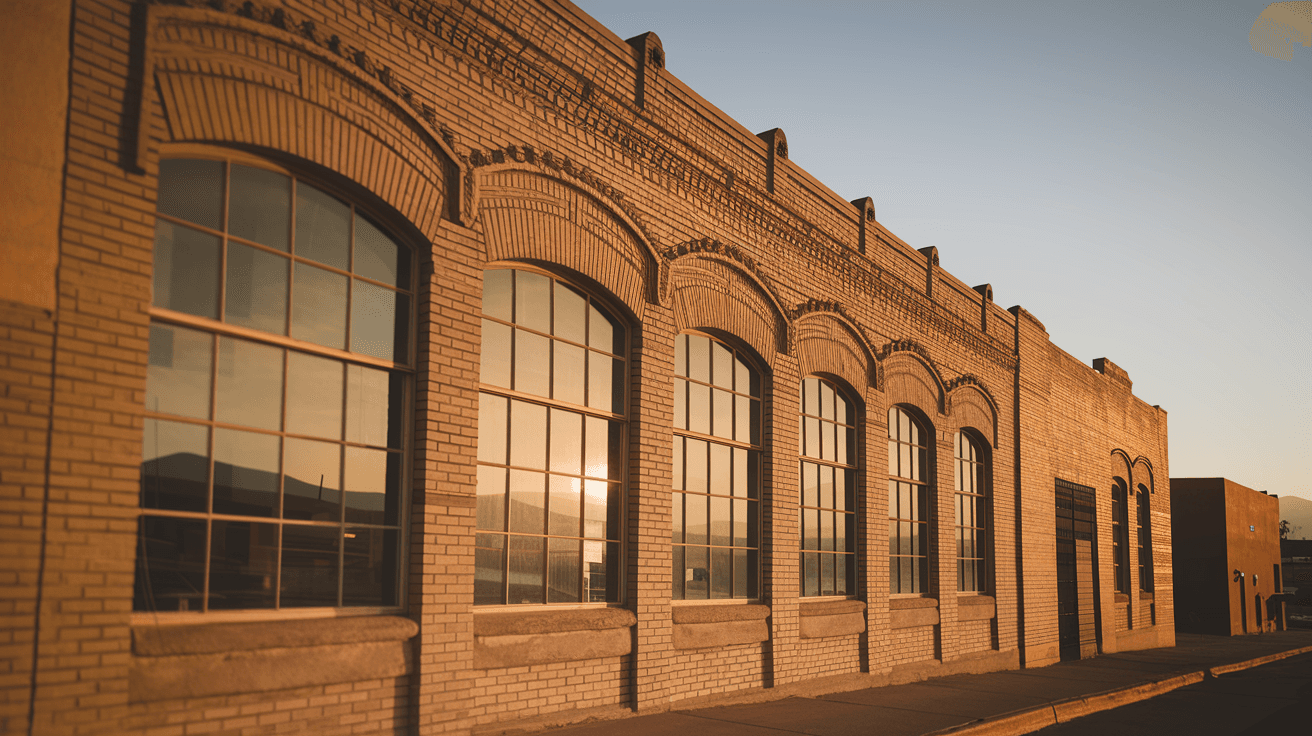
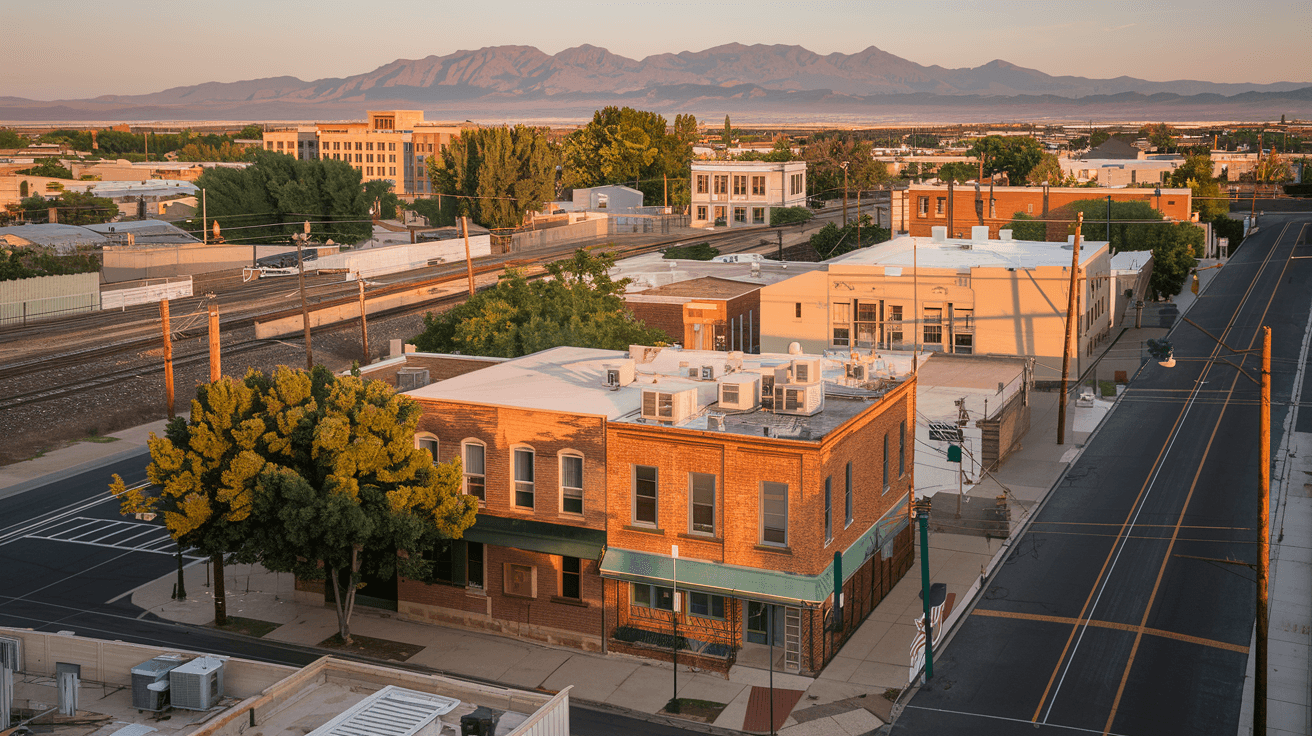
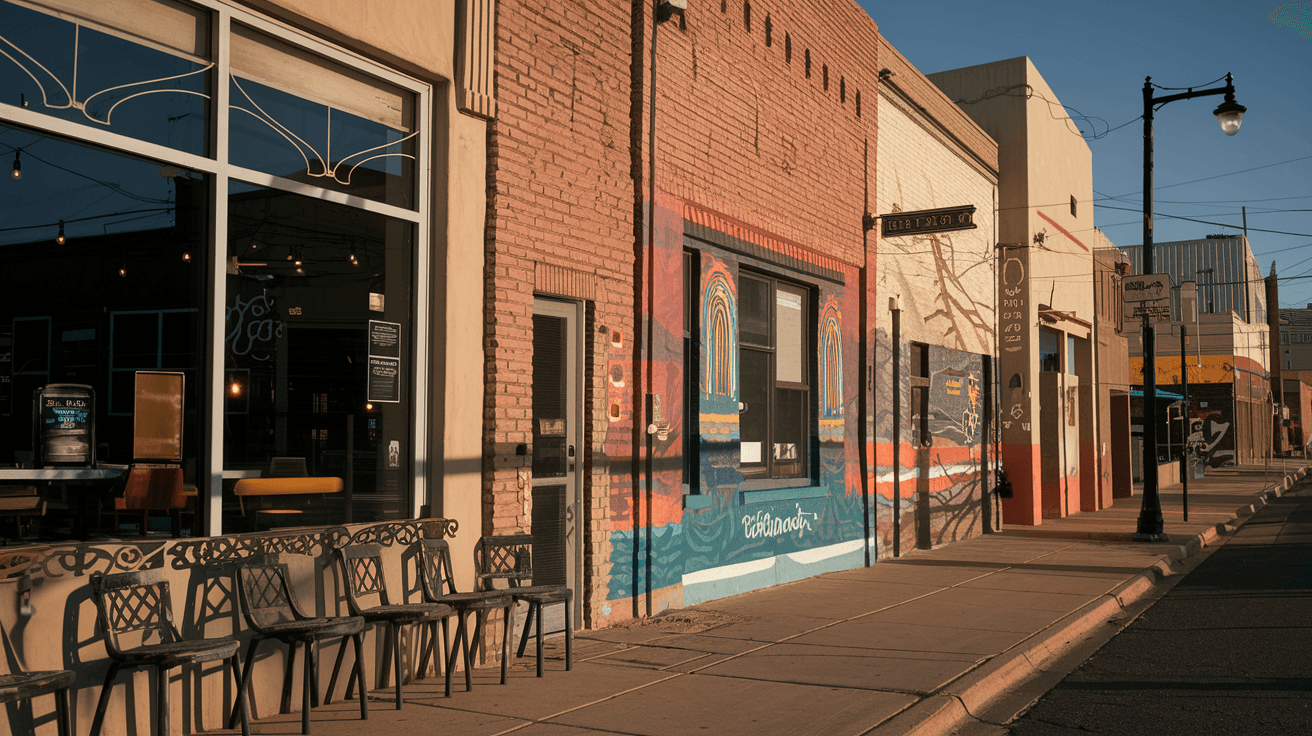
Downtown proper anchors around Central Avenue, 4th Street, and the Civic Plaza area. You've got the Alvarado Transportation Center, the federal courthouse, the KiMo Theatre, and the bones of what was once a thriving mid-century commercial district. The architecture here is genuinely spectacular if you know what to look for. Brick warehouses from the 1920s, Pueblo Deco facades, and the occasional Art Deco gem that survived the urban renewal era.
EDo, or East Downtown, runs roughly from the railroad tracks east toward the University area, bounded loosely by Coal and Copper avenues. This is where most of the residential action has concentrated. The EDo Albuquerque real estate market has attracted buyers who want walkability without the price tag of, say, Nob Hill, and who genuinely want to be part of a neighborhood that's still writing its story.
The vibe difference matters if you're shopping. Downtown proper skews more commercial-residential mixed use. EDo feels more like a neighborhood where people actually live, walk dogs, and know their neighbors.
“"Downtown ABQ isn't finished becoming what it's going to be. That's not a warning. For the right buyer, that's the whole point."
What the Streets Actually Feel Like Day to Day
Walk out of a loft on Gold Avenue on a Tuesday morning and here's what you're working with. Zendo Coffee is a few minutes away and worth every step. The Rail Yards Market runs on weekends and draws a crowd that feels like the real Albuquerque, not a curated version of it. Sunshine Theater is close enough that you can walk to a show and walk home. The Albuquerque Museum is in your backyard.
The honest part: Central Avenue still has blocks that feel transitional. There are nights when you want to be aware of your surroundings. The city has invested in lighting and infrastructure improvements along key corridors, and the presence of more residents has made a noticeable difference. But anyone who tells you Downtown ABQ is already fully transformed is selling you something.
What's real is that the walkability score for this area genuinely earns its number. Groceries, restaurants, entertainment, transit, and green space are all accessible without a car in a city that otherwise requires one for almost everything.
Downtown Albuquerque Lofts for Sale 2026: What the Inventory Actually Looks Like
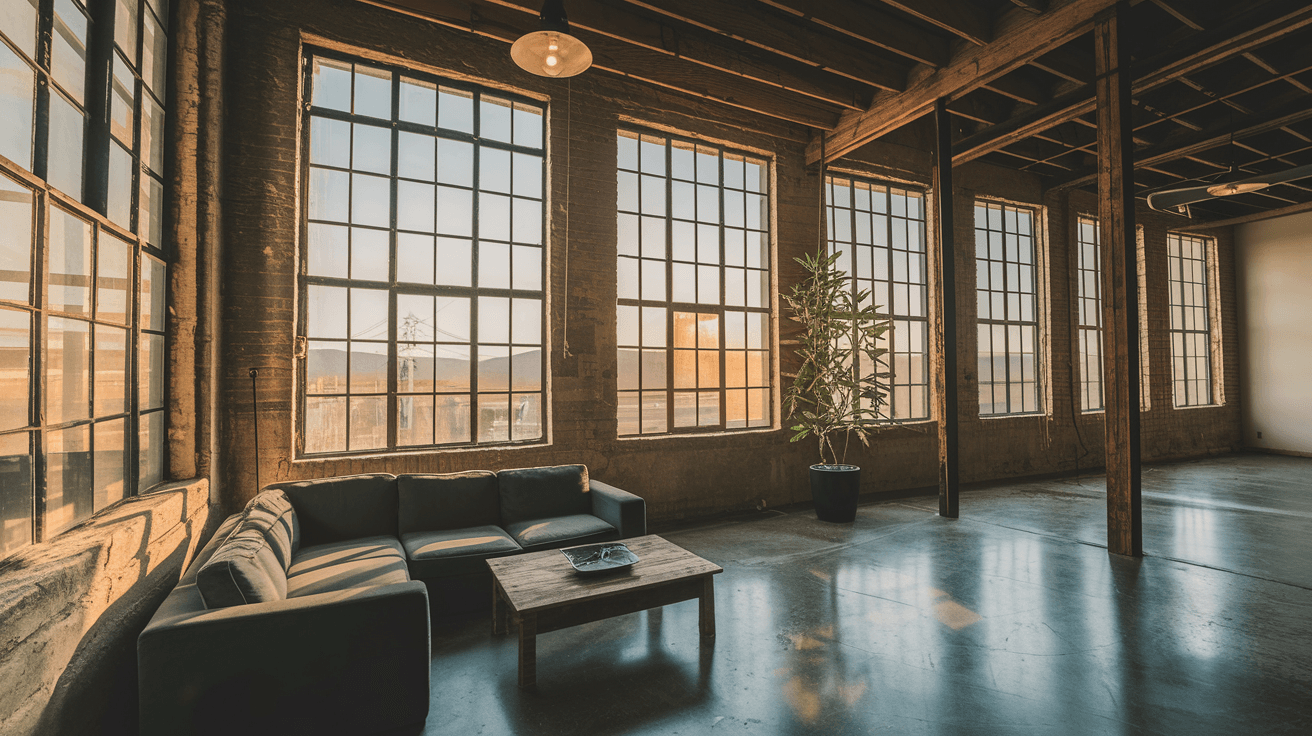
Downtown Albuquerque lofts for sale in 2026 occupy a niche that doesn't exist anywhere else in the metro. These aren't cookie-cutter condos built to look industrial. Many of them are actual conversions of historic commercial and warehouse buildings, which means you get genuine architectural character: exposed brick, timber ceilings, concrete floors, freight elevator lobbies, oversized windows that face the Sandias or the West Mesa.
The tradeoff is that inventory is genuinely limited. When a unit comes available in a building like the Sunshine Building or one of the converted properties along 2nd Street, it moves. The broader Albuquerque metro is sitting at about 3.9 months of inventory right now with an average of 34 days on market, but in the loft-specific segment downtown, good units go faster than that.
Loft Conversion Buildings Worth Knowing
A few building types define the EDo Albuquerque real estate loft market:
- •Historic warehouse conversions along the railroad corridor, typically featuring the highest ceilings and the most authentic industrial character
- •Pueblo Deco era commercial buildings on Central and Gold, where units often have original tile work and architectural details you simply cannot replicate
- •Newer infill developments that adopted the loft aesthetic with modern mechanical systems, which matters more than buyers sometimes admit until their first Albuquerque winter
- •Mixed-use ground-floor retail buildings where you're living above a business, which can be wonderful or complicated depending on the tenant below you
The insider tip worth knowing: some of the most interesting loft conversions in this neighborhood are in buildings that haven't been fully marketed yet. A few property owners have converted upper floors for residential use under adaptive reuse provisions and sold units quietly. If you're serious about this market, working with someone who has relationships in the neighborhood matters more here than almost anywhere else in the metro.
HOA Fees and Building Age: What to Budget For
Older conversions come with character and sometimes with deferred maintenance. HOA fees in Downtown ABQ buildings vary widely. Some well-managed older buildings run $250 to $400 per month and cover significant common area costs. Others are lower but have reserve fund situations worth examining carefully before you close.
Always pull the HOA financials. In a converted building, the difference between a healthy reserve fund and an underfunded one can mean the difference between a great investment and a special assessment surprise two years in.
EDo Albuquerque Real Estate Prices in 2026: What Urban Buyers Are Actually Paying
Here's the number people actually want to know. The median price in the Downtown and EDo market is running around $335,000, which sits below the broader Albuquerque metro median of $385,000. That gap is part of the appeal.
For context: you can buy a genuine loft with exposed brick, 12-foot ceilings, and a view of the Sandias in this neighborhood for less than a comparable square footage in a generic suburban subdivision would cost you in the Northeast Heights. The price-per-square-foot calculation often favors Downtown when you factor in the walkability and the architectural quality you're getting.
“"The Downtown discount is real, but it's narrowing. Buyers who waited on this neighborhood two years ago are watching the math change."
What the numbers look like in practice:
- •Entry-level loft condos in older conversions, typically studios or one-bedrooms, are moving in the $175,000 to $240,000 range
- •Two-bedroom loft units with updated kitchens and in-unit laundry are generally in the $280,000 to $380,000 range
- •Larger penthouse-style units or rare standalone urban homes in the EDo corridor are pushing $400,000 and above
- •List-to-sale ratios are holding around 97.1% metro-wide, and well-priced Downtown units are consistently getting close to or at asking price
The buyers we're seeing in this market right now are a specific group. Remote workers who moved to Albuquerque and want urban texture. Empty nesters from the Heights who are done with the yard. Young professionals who grew up in ABQ and want to be part of what's happening downtown instead of watching it from the suburbs. Artists and creative professionals who want to live where the work is.
The Arts District Factor: Why Walkable Culture Changes the Calculus
Albuquerque has always had a serious arts community. What's different about living in Downtown Albuquerque 2026 is how concentrated and walkable that community has become in the EDo corridor specifically.
The Albuquerque Arts District designation along Central has brought infrastructure investment, but more importantly it's brought density of purpose. Within a ten-minute walk of most EDo addresses, you have:
- •The 516 Arts contemporary art space on Central
- •The Albuquerque Museum and its sculpture garden
- •Multiple independent galleries that have opened in the last three years along Gold and Silver avenues
- •The KiMo Theatre, which is one of the most architecturally significant buildings in New Mexico and happens to host legitimate national acts
- •The Rail Yards, which functions as both an event venue and a weekend market that draws the full cross-section of Albuquerque
- •Gruet Winery's tasting room and several restaurants that have opened specifically because of the residential density increase
For buyers who factor lifestyle into their housing decision, and most serious urban buyers do, this concentration of cultural activity within walking distance represents real value that doesn't show up in the price-per-square-foot calculation.
The Walkability Premium and What It's Worth
Albuquerque is, let's be honest, a car city. The sprawl is real. The commute infrastructure is built around the automobile. Which is exactly why the walkable pocket that Downtown and EDo represent is genuinely rare in this market.
Buyers coming from cities like Denver or Austin sometimes underestimate how unusual it is in ABQ to be able to walk to coffee, dinner, a show, and the farmers market without touching a car key. That scarcity has value. As the metro continues to grow and traffic on I-25 and Paseo del Norte gets worse, the appeal of a neighborhood where you can opt out of driving for most of your daily life only increases.
APS Schools and the Practical Reality of Urban Family Living
The Albuquerque Public Schools district serves this area, and it's worth being straightforward about how families weigh this. APS is a large, uneven district. School quality varies significantly by campus, and families doing serious due diligence need to research specific schools rather than making assumptions based on the district name.
What's changed in recent years is that some families are specifically choosing Downtown living because of proximity to magnet programs and because they want their kids growing up in an urban, culturally diverse environment rather than a homogeneous suburb. That's a real value system that's driving real purchasing decisions.
For buyers without school-age children, the APS factor is largely neutral in this neighborhood. The price point reflects the school district reality, which is part of why the median price stays below the metro median even as the lifestyle amenities improve.
What to Know Before You Buy in Downtown or EDo
A few things that only matter if you're actually going to live here:
- •Parking is a real consideration in loft buildings. Some historic conversions have limited or no dedicated parking. If you work from home, this may not matter. If you need to commute by car, know what you're getting into before you fall in love with a unit.
- •The Rail Runner connection from the Alvarado Transportation Center is genuinely useful if you have any reason to travel to Santa Fe or the North Valley. It's underutilized by ABQ residents and worth knowing about.
- •Building orientation matters more than people think. West-facing units on the upper floors of Downtown buildings get the full force of New Mexico afternoon sun. That's beautiful in the winter and brutal in July without good window treatments or tinting.
- •The noise profile is urban. Central Avenue has traffic, events, and the occasional siren. If you're coming from a quiet Northeast Heights neighborhood, give yourself an honest assessment of your tolerance for urban ambient sound before you commit.
- •The neighborhood is genuinely changing. Properties that were difficult to sell two years ago are moving at asking price today. That trajectory matters for how you think about your investment.
If you're seriously considering a purchase in this area, talking to someone who actually knows these buildings and this market is worth more than any amount of online research. The Taylor Team works in this neighborhood and can walk you through what's available, what's coming, and what the real story is on any specific building or unit you're considering.
The Bottom Line on Downtown Albuquerque Living in 2026
Living in Downtown Albuquerque 2026 is a specific choice that rewards a specific kind of buyer. It's not for everyone, and that's fine. The person who's going to love it is the one who wants to walk to Zendo on a Sunday morning, catch a show at the KiMo on a Friday night, and feel like they're part of a neighborhood that's genuinely in the middle of becoming something. The one who sees the vacant storefront next to the new gallery and thinks opportunity rather than problem.
The math supports the lifestyle. A $335,000 median in a walkable, culturally rich urban neighborhood, in a city where the broader metro median is $385,000, with genuine architectural character that you simply cannot find in a new construction subdivision anywhere in the metro. That's a real value proposition.
Downtown ABQ is still figuring out its identity. But the direction of travel is clear, and the buyers who move now are getting in while the price still reflects the uncertainty rather than the outcome.
Want more insider intel?
Subscribe to get market updates and new articles delivered to your inbox.