Living in Downtown Albuquerque and EDo in 2026: Loft Conversions, Rail Runner Access, and What Urban Buyers Are Actually Paying
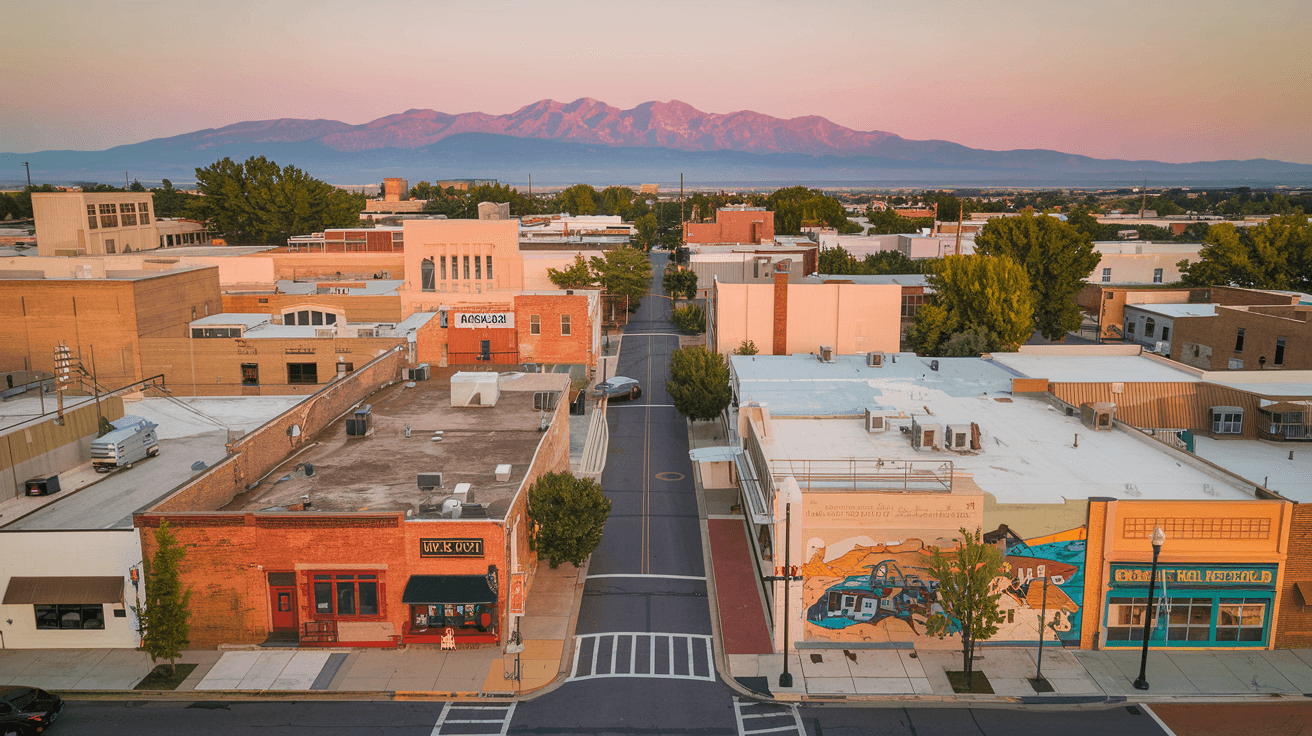
If you have spent any time walking the stretch between 4th Street and Carlisle on Central Avenue lately, you already know something has shifted. The energy in downtown Albuquerque and EDo feels different in 2026 than it did even two years ago. New faces at Zendo Coffee in the morning. A line out the door at Tractor Brewing on a Tuesday. Murals going up on buildings that were boarded up not long ago. For people seriously considering living in downtown Albuquerque 2026, this corridor is no longer a gamble. It is a genuine lifestyle choice with real numbers to back it up.
This is not a pitch. This is what we see on the ground every week working with buyers and sellers across the city. If you are curious about downtown EDo Albuquerque real estate, pull up a chair and let us talk through what is actually happening.
Living in Downtown Albuquerque 2026: The Neighborhood Shift You Can Feel on the Street
EDo, short for East Downtown, sits just east of the traditional downtown core and has been the quiet overachiever of Albuquerque's urban revival. The boundaries are loose, roughly from 4th Street to I-25 along Central, with tentacles running north toward Lomas and south toward Coal. What makes it distinct from, say, the North Valley or even Nob Hill is the texture of the built environment. You have got warehouses that became galleries. Old motor courts that became boutique hotels. And increasingly, commercial buildings that have become loft condominiums.
The sidewalk life here is real. You can walk to Winning Coffee on Central for your morning cup, grab lunch at the Flying Star on Central, catch a show at Sunshine Theater, and be back in your loft before the Sandia Mountains turn that particular shade of pink they get at dusk. That walkability is not accidental. It is the result of decades of investment by people who believed in this part of the city when not everyone did.
The APS school district serves this area, and for buyers with families, that is a conversation worth having in detail with your agent. The urban core is not always the first place families look, but we are seeing more of them take a serious look as the neighborhood stabilizes.
“"EDo in 2026 is where Nob Hill was fifteen years ago. The bones were always there. The momentum just finally caught up."
Albuquerque Loft Condos for Sale 2026: What the Conversion Market Actually Looks Like
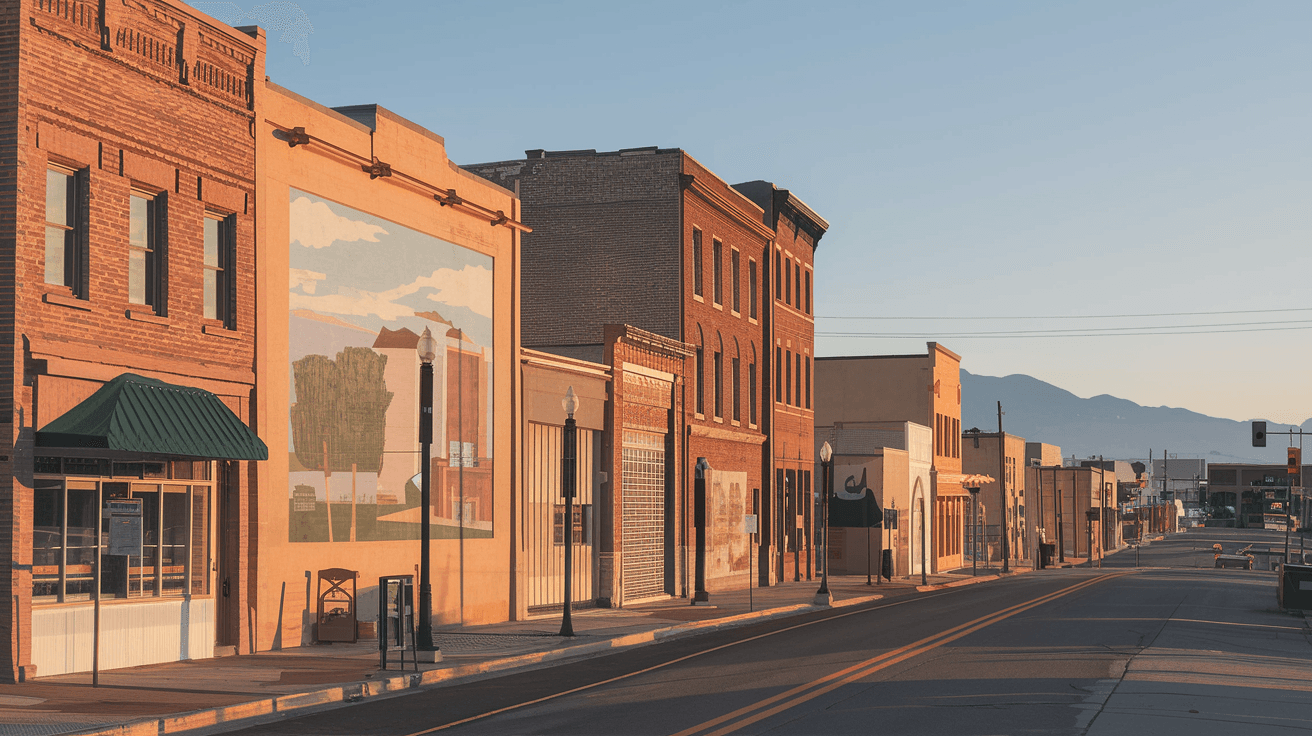
The loft conversion story in downtown Albuquerque is one of the more interesting real estate narratives in the city right now. Several older commercial and light-industrial buildings have been repositioned as residential over the past few years, and the pipeline is not empty yet.
What buyers typically find in these conversions:
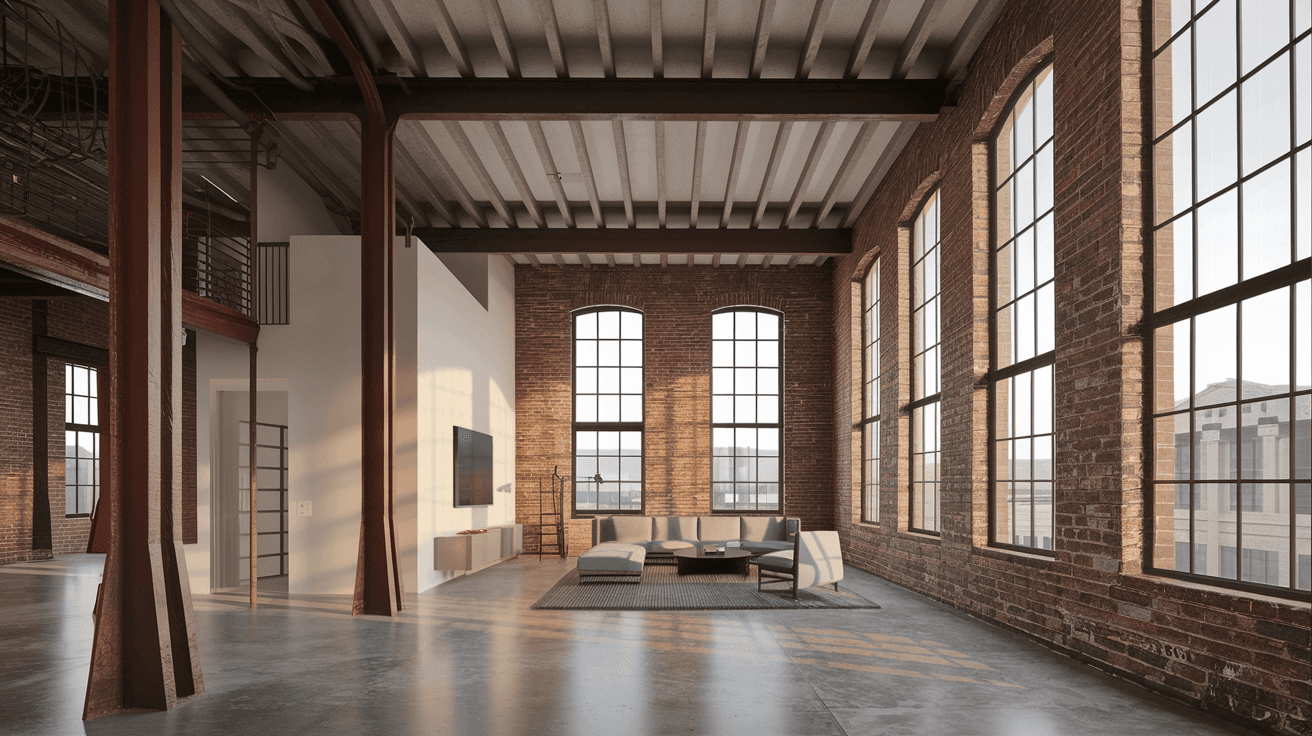
- •Exposed brick and original timber or steel structural elements
- •Ceilings that run 12 to 18 feet in some units
- •Open floor plans that feel genuinely spacious rather than just marketed that way
- •Polished concrete or original hardwood floors depending on the building's history
- •Rooftop decks or shared outdoor spaces with Sandia views
- •Walkability scores that are legitimately high by Albuquerque standards
The trade-off is real too. Parking can be limited or structured rather than surface. HOA fees in converted buildings tend to run higher than in traditional condo developments because the mechanical systems in older buildings are more complex. And storage, the thing no listing photo ever shows you, is often at a premium.
On pricing, Albuquerque loft condos for sale in 2026 in the downtown and EDo corridor are generally landing in a range that puts the neighborhood median around $310,000, which sits notably below the broader metro median of $385,000. That gap is meaningful for buyers who want urban living without the price tags you see in comparable neighborhoods in Denver or Phoenix. Square footage in loft-style units tends to run between 800 and 1,400 square feet for most of what comes to market, though there are outliers in both directions.
Days on market for well-priced units in this corridor have been running around 34 days, consistent with the broader metro average, but the more distinctive loft properties with strong views or unique architectural features tend to move faster. The list-to-sale ratio across the metro is sitting at 97.8%, which tells you that sellers are not giving much away, but buyers are not getting steamrolled either. It is a functional market.
What Buyers Are Actually Competing Against
With roughly 3,850 active listings across the Albuquerque metro and about 4.9 months of inventory, the market is closer to balanced than it has been in recent years. Downtown and EDo specifically tend to have tighter inventory simply because the housing stock is finite. You cannot build a new loft conversion without an existing building to convert, and the supply of appropriate buildings is not unlimited.
For buyers looking at downtown EDo Albuquerque real estate, the practical implication is that when a genuinely good unit hits the market, it does not linger. Having your financing sorted before you start touring is not optional advice here. It is the difference between getting the unit and watching someone else get the unit.
Rail Runner Access and the Downtown Albuquerque Commuter Advantage
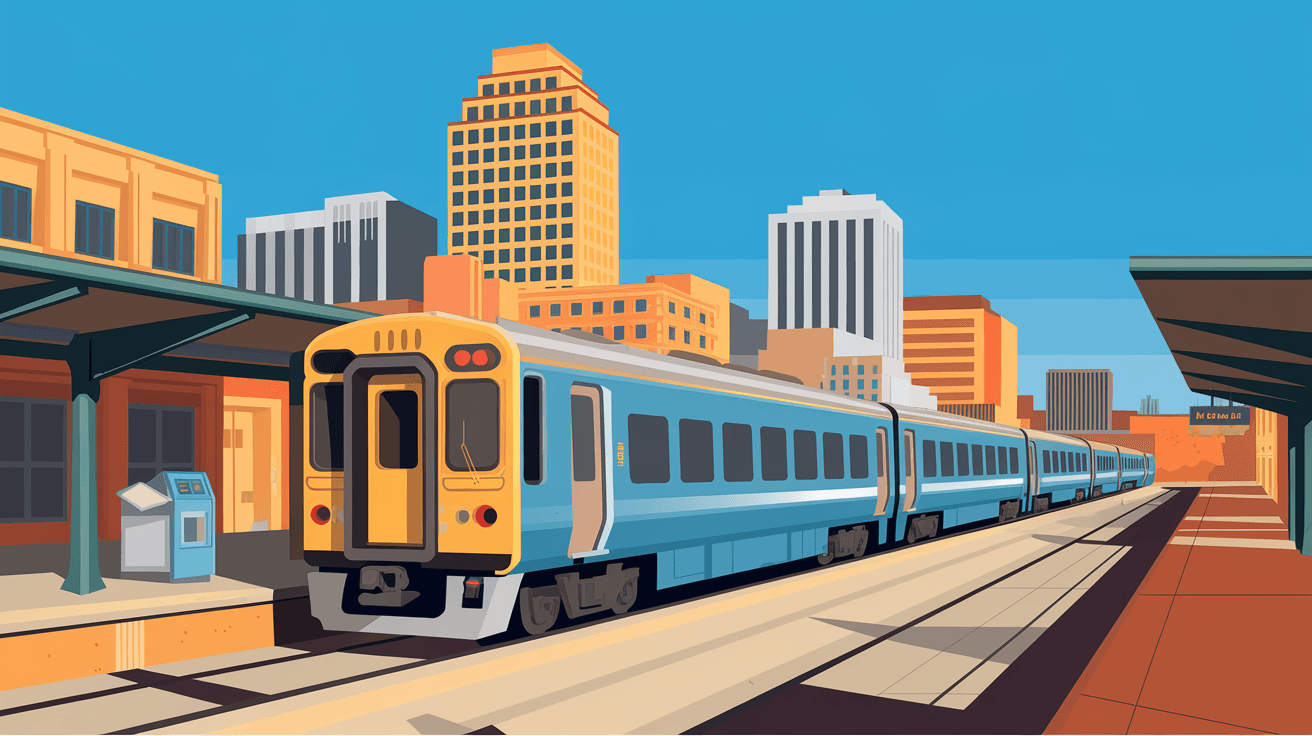
One of the genuinely underappreciated advantages of living in downtown Albuquerque 2026 is the New Mexico Rail Runner Express. The Albuquerque Downtown Station sits right on 1st Street, and for buyers who work in Santa Fe or need to get there regularly, this changes the math on where to live.
The Rail Runner runs to the Santa Fe Depot in roughly 90 minutes, and the experience is nothing like sitting in traffic on I-25 through the construction that never seems to fully end near Bernalillo. You board downtown, work on your laptop, and arrive a short walk or Rail Runner shuttle ride from the Plaza. For a certain kind of buyer, usually professionals, remote workers who travel occasionally, or people with regular Santa Fe obligations, living within walking distance of the Downtown Station is a genuine lifestyle upgrade.
The station also connects south toward Belen and north toward Bernalillo, which means the Rail Runner functions as a commuter tool for more than just the Santa Fe crowd. It is not a subway system, and nobody should pretend it is, but for what it is, it is a serious asset that downtown residents have essentially to themselves compared to buyers in the suburbs who would need to drive to a park-and-ride.
Downtown EDo Albuquerque Real Estate: The Insider Details That Matter
Here is something most people do not think about until they are already under contract on a downtown loft: noise and light patterns in urban buildings behave completely differently than in a single-family home. Central Avenue has bus traffic, freight movement in the early morning hours near the rail yards, and weekend night activity that is not going to bother you if you are the kind of person who chose this neighborhood on purpose. But if you are someone who needs silence at 11 PM on a Friday, you should know what you are signing up for before you fall in love with exposed brick.
The insider tip that only comes from actually spending time in this neighborhood: the blocks between 6th and 8th on Central, just west of the EDo core, are going through their own quiet transformation right now. A few long-vacant storefronts have new tenants, and a couple of residential projects in that micro-zone are worth watching if you are thinking about getting into this market before the next wave of attention drives prices up. It is not a secret, but it is not on the front page either.
Other practical details worth knowing:
- •HOA due diligence is critical in converted buildings. Request at least two years of meeting minutes and the reserve fund study before you commit.
- •Many downtown lofts are in historic overlay zones, which can affect what modifications you can make to the exterior and sometimes the interior.
- •Parking arrangements vary enormously by building. Some include a deeded space, some are first-come surface lots, and some are entirely street parking. Clarify this before you fall in love with a unit.
- •The Albuquerque BikeABQ share stations are scattered through the corridor, which genuinely changes how you move around if you are willing to use them.
- •Some buildings are mixed-use, meaning commercial tenants are on the ground floor. That can be a feature (built-in coffee shop downstairs) or a consideration depending on the specific tenant and your unit's location in the building.
Working With an Agent Who Knows This Specific Market
Downtown and EDo are not like the rest of Albuquerque's residential market, and working with an agent who treats them the same way they would treat a Northeast Heights subdivision is going to cost you. The due diligence checklist is different. The questions to ask at showing are different. The way you evaluate HOA health in a converted building versus a purpose-built condo development is different.
If you are seriously looking at Albuquerque loft condos for sale in 2026, the Taylor Team at Berkshire Hathaway HomeServices walks this market regularly and can give you a grounded read on what is worth pursuing and what looks better in photos than it does in person. Reach out and let us talk through what you are looking for before you start touring.
What Urban Buyers Are Actually Paying in the Downtown Albuquerque Corridor Right Now
Let us get specific, because vague ranges are not useful when you are trying to build a budget.
At the lower end of the downtown EDo Albuquerque real estate market, you are looking at studios and smaller one-bedroom units in the $200,000 to $250,000 range, though inventory at that price point is limited and tends to move quickly when it appears. These are typically smaller footprints, sometimes in buildings with older mechanical systems, and the HOA fees can eat into the apparent affordability.
The core of the market, the one- and two-bedroom loft units with the features that make urban living genuinely appealing, sits in that $280,000 to $360,000 range. This is where the neighborhood median of $310,000 lives. At this price point you are getting the exposed brick, the high ceilings, the walkable location, and usually a parking situation that works.
Above $360,000 and into the $400,000-plus range, you find the penthouse-style units, the buildings with the most architecturally significant conversions, the units with rooftop access and panoramic Sandia views. These exist in downtown Albuquerque, they are not common, and when they come to market they tend to attract buyers who have been waiting for exactly that kind of property.
For context, the broader Albuquerque metro median sits at $385,000, which means downtown and EDo are still offering a relative value for urban product. That gap will not last indefinitely as the neighborhood continues to mature, which is part of why buyers who have been considering this market are starting to move from considering to actually purchasing.
“"The buyers who waited on EDo five years ago are the ones watching from the sidelines now. The buyers who moved when it still felt like a bet are the ones sitting on equity."
The combination of Rail Runner access, a genuine walkable corridor on Central Avenue, a loft conversion market that still has room to run, and pricing that undercuts the metro median is a specific set of conditions that does not persist forever. Downtown Albuquerque in 2026 is not a finished product, and that is actually part of the appeal for the buyers who are drawn to it. The energy of a neighborhood still becoming what it is going to be, paired with the infrastructure and amenities that make daily life functional, is a combination that is genuinely hard to find in this city.
If you have been watching this market from a distance and wondering whether now is the moment, the honest answer is that the data supports a serious look. The Taylor Team is happy to be the people you have that conversation with.
Want more insider intel?
Subscribe to get market updates and new articles delivered to your inbox.