Living in Downtown Albuquerque and EDo in 2026: Loft Conversions, Arts District Energy, and What Urban Buyers Are Getting for Under $400K
There's a version of Albuquerque that doesn't get nearly enough attention from buyers who are relocating here or even from locals who have spent years assuming downtown is just somewhere you drive through on the way to Old Town or the Sunport. That version is the one that exists along Central Avenue between 4th Street and Carlisle, through the East Downtown neighborhood everyone calls EDo, and in the converted warehouses and historic commercial buildings that have quietly become some of the most interesting places to live in the entire metro.
Living in Downtown Albuquerque in 2026 looks genuinely different than it did even three years ago. The bones were always there. The question was whether the investment, the tenants, and the buyers would show up. They have.
Downtown Albuquerque Real Estate Market in 2026
The metro median home price in Albuquerque sits at $385,000 right now, and inventory across the city is running at about 3.9 months, which keeps things competitive without the frantic pace buyers were dealing with in 2021 and 2022. Average days on market have settled around 34 days, and sellers are seeing list-to-sale ratios of 97.8 percent, meaning well-priced homes are moving close to full ask.
What makes Downtown and EDo stand out is that the median price in this submarket sits closer to $310,000, which is a meaningful discount to the broader metro. For buyers who want to be in a walkable, culturally dense neighborhood without stretching past $400K, this part of the city is one of the few places in Albuquerque where that combination is still realistic.
That said, the market here moves on its own rhythm. You are not competing against the same pool of buyers chasing three-bedroom ranches in Rio Rancho or the Heights. The buyers drawn to downtown tend to be remote workers, artists, empty nesters downsizing out of larger suburban homes, and younger professionals who would rather walk to Zendo Coffee on Gold Avenue than sit in morning traffic on I-25. Active listings across the metro are hovering around 3,850 right now, and the downtown and EDo inventory is a small slice of that, which means when a well-renovated loft hits the market, it does not sit.
EDo Albuquerque Real Estate: What the East Downtown Neighborhood Actually Feels Like
If you have not spent real time in EDo recently, the shorthand version is this: it is the stretch of downtown east of the railroad tracks, roughly between Central Avenue to the south and Copper Avenue to the north, running out toward the University of New Mexico corridor. The EDo Albuquerque real estate landscape is a mix of adaptive reuse projects, smaller infill townhomes, and a handful of older single-family properties that have been sitting in the same family for decades and are only now starting to turn over.
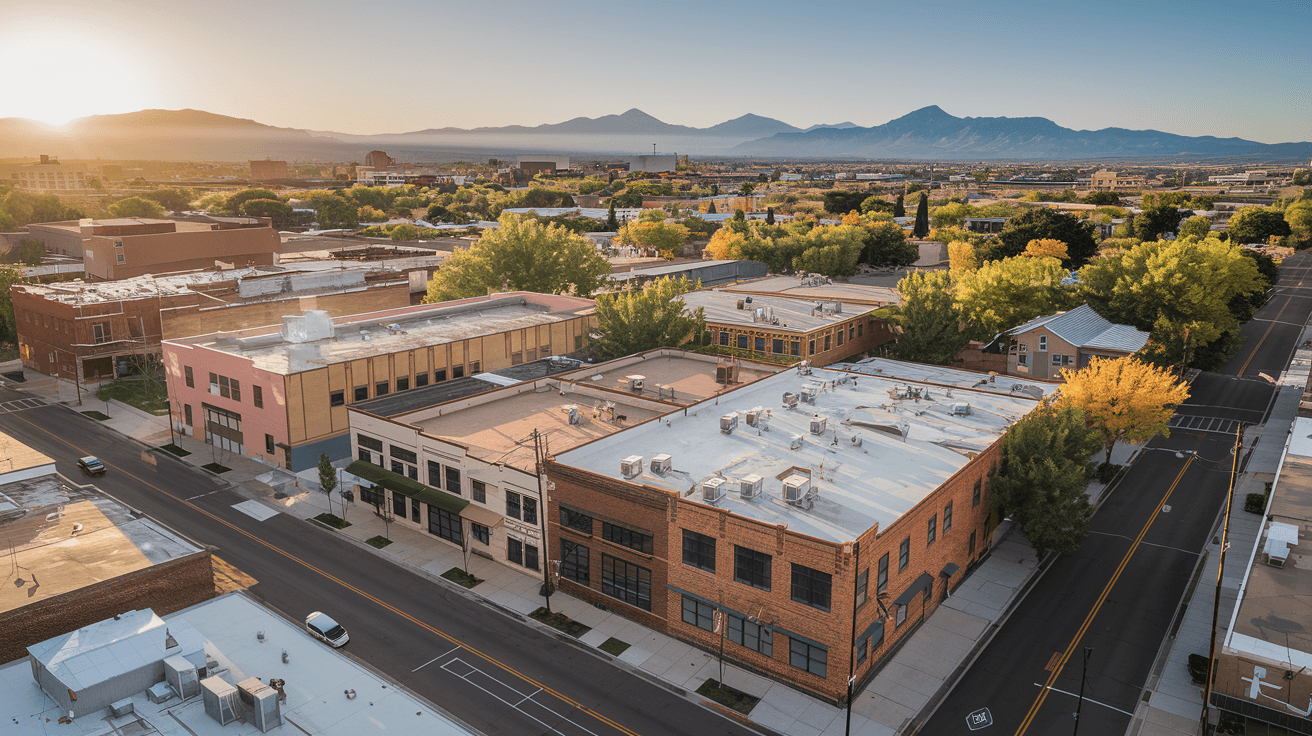
The energy on the street level has changed. The Albuquerque Rail Yards anchor the southwestern edge and continue their slow evolution into a public market and event space. The Tiguex Park area and the cultural corridor along Central connect downtown to the broader museum district. On weekend mornings, the foot traffic between the Downtown Growers Market at Robinson Park and the coffee shops along Gold and Silver is real, not manufactured.
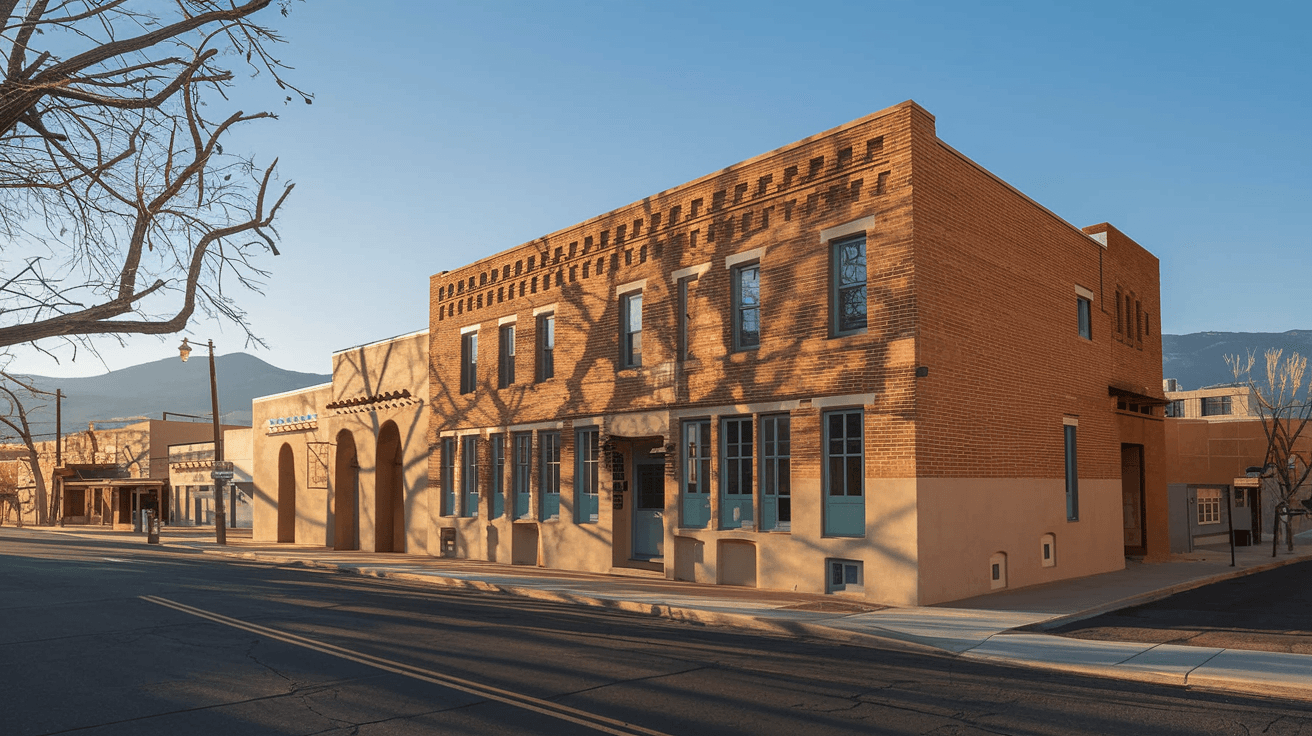
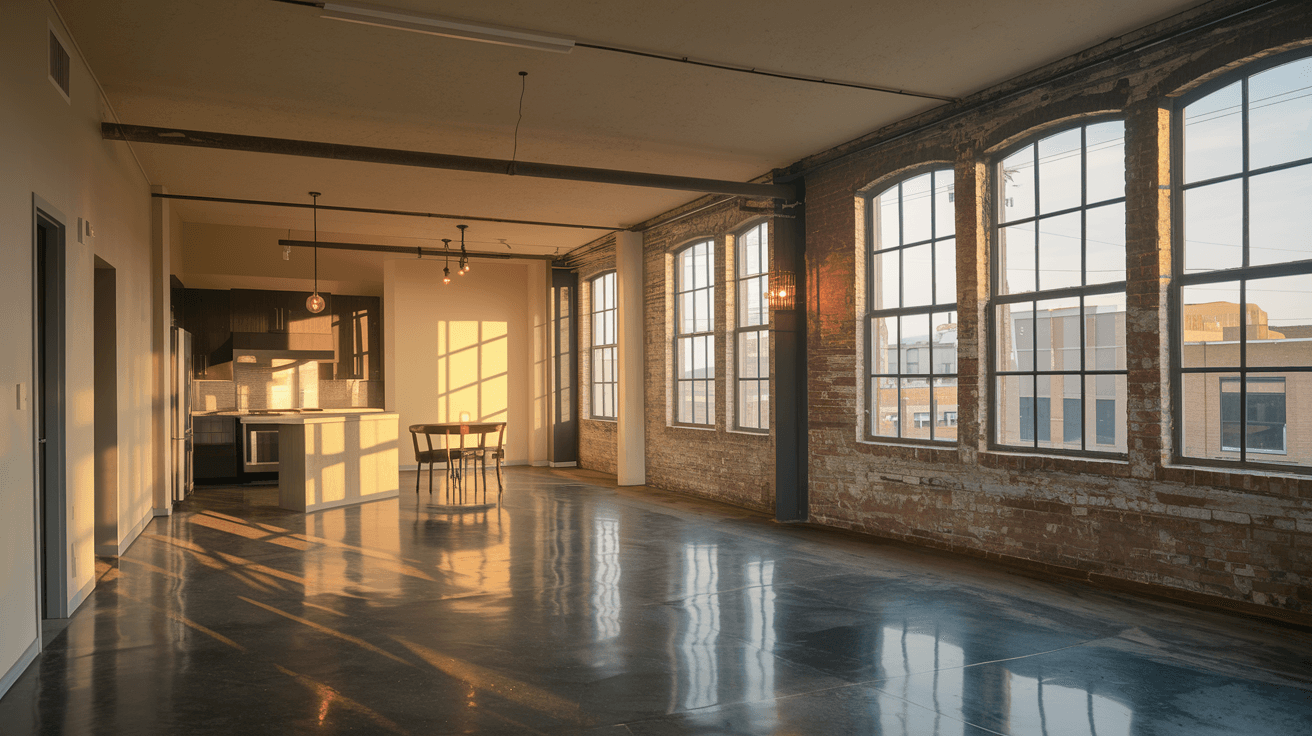
What buyers often notice first when they start looking at EDo is how much architectural variety exists within a few blocks. You might look at a 1920s brick commercial conversion with 14-foot ceilings and original timber beams one afternoon, and then a newer townhome with a rooftop deck overlooking the Sandias the next morning. The price range for both can comfortably land under $400K depending on square footage and finish level.
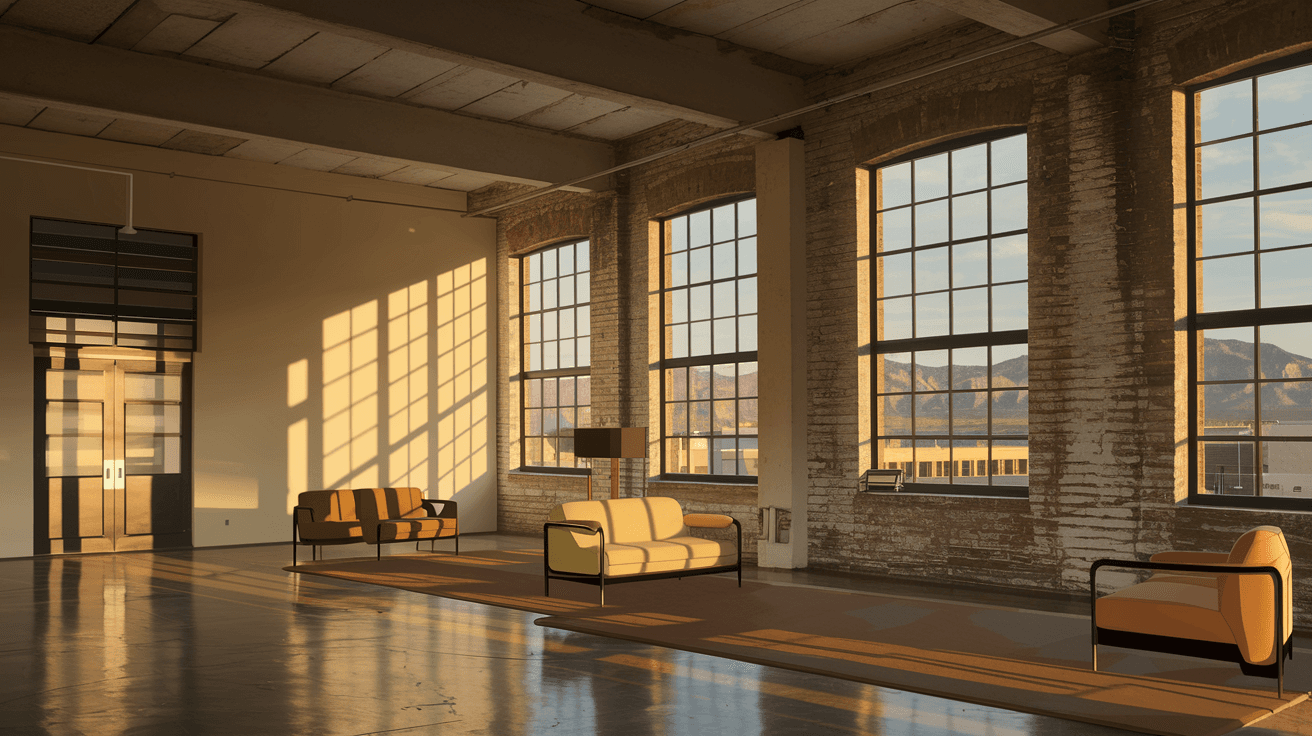
“"EDo is the part of Albuquerque that reminds you why people fell in love with cities in the first place. It is walkable, it is weird in the best way, and the light through those old warehouse windows in the late afternoon is something you cannot replicate in a subdivision."
What $300K to $400K Actually Buys You in EDo Right Now
At the lower end of that range, buyers are typically looking at one-bedroom or studio loft conversions in the 700 to 1,000 square foot range. These are often in buildings that were originally light industrial or commercial, and the renovations range from stripped-down and modern to carefully preserved historic details. Expect polished concrete floors, exposed ductwork, and in some cases the original loading dock infrastructure repurposed as architectural detail.
Pushing toward $350,000 to $400,000 opens up two-bedroom loft configurations and some of the newer townhome-style infill products. These tend to offer more private outdoor space, sometimes a small patio or a rooftop terrace, and updated kitchens that can hold their own against what you would find in newer suburban construction. The tradeoff is almost always square footage. Downtown buyers are generally buying fewer square feet than they would in the Northeast Heights or the West Side, and the ones who thrive here have made peace with that because the neighborhood itself becomes an extension of their living space.
Downtown Albuquerque Lofts for Sale: The Conversion Projects Worth Knowing
The downtown Albuquerque lofts for sale category is not huge in terms of volume, but the projects that have come online over the past several years represent genuine architectural investment. The conversions happening along 2nd Street, around the Alvarado Transportation Center, and in the blocks between Marquette and Lead have set a standard for what adaptive reuse can look like when it is done with some intention.
A few things buyers should understand about loft conversions specifically:
- •HOA structures vary significantly from building to building, and in some older conversions, the association is small enough that a single delinquent owner can affect the whole building's reserve fund situation
- •Parking is negotiated, not assumed. Some units come with deeded parking, others have monthly arrangements with nearby garages, and a few buildings rely entirely on street parking
- •Natural light depends entirely on unit placement. A north-facing unit on the ground floor of a converted warehouse is a fundamentally different living experience than a third-floor corner unit with clerestory windows
- •Noise profiles are urban. Central Avenue is Central Avenue. Buyers who want quiet need to either be above the third floor or on an interior courtyard
- •Financing on some conversions requires extra attention. Certain buildings have quirks in their condo documentation or square footage calculations that can trip up conventional loan approvals if a buyer's agent and lender are not paying attention
That last point is worth sitting with. Working with agents who know these specific buildings matters more in downtown than it does in a standard subdivision, because the due diligence checklist is longer and the variables are more building-specific.
The Arts District Energy That Is Reshaping Downtown Albuquerque
One of the things that makes living in Downtown Albuquerque in 2026 feel different from five years ago is that the arts infrastructure has matured past the point of being aspirational. It is operational.
The 516 Arts space on Central has been a consistent anchor for contemporary art programming. The Albuquerque Museum is a short walk from most EDo addresses. The concentration of galleries along the EDo stretch of Central, the studios tucked into repurposed commercial spaces off 2nd and 3rd Streets, and the presence of working artists actually living in the neighborhood rather than just showing there creates a texture that is genuinely different from what you find in more polished arts districts in other cities.
Albuquerque's creative community has a DIY quality that has never entirely been smoothed out, and downtown is where that quality is most visible. The Meow Wolf effect, the broader national interest in New Mexico as a creative destination, and the ongoing presence of the film industry in the region have all fed a slow but real influx of people who want to be proximate to that energy.
For buyers, this matters in a practical sense because arts districts tend to appreciate differently than conventional residential neighborhoods. The early adopters who bought in EDo five and seven years ago have seen that play out. The question for 2026 buyers is whether there is still runway, and the honest answer is yes, with the caveat that the easy gains are behind us and future appreciation will track more closely with broader market conditions.
The Insider Detail Most Downtown Buyers Miss
Here is something worth knowing if you are seriously considering a downtown or EDo purchase: the Albuquerque Rapid Transit line along Central Avenue fundamentally changed the street-level experience on that corridor, and not always in ways that are obvious from a quick visit. The dedicated bus lanes shifted parking and traffic patterns in ways that made some blocks more pedestrian-friendly and left others feeling slightly stranded. Units that are one block off Central in either direction often have a noticeably quieter and more residential feel than their Central-facing counterparts, and they sometimes price lower despite being a 90-second walk from the same coffee shops and restaurants.
If you are touring properties in this neighborhood, walk the blocks between Copper and Gold, between 3rd and 6th Streets specifically. That pocket has a density of renovated properties, mature street trees, and proximity to the Rail Yards trail connection that does not always show up in how listings are marketed.
The Taylor Team has been working buyers and sellers through this neighborhood long enough to know which buildings have been well-maintained and which ones look great in photos but have deferred maintenance issues waiting in the wings. If you are thinking about making a move into downtown or EDo and want a straight conversation about what is worth looking at right now, reach out to us directly. We would rather spend an hour walking the neighborhood with you than have you make a decision based on MLS photos alone.
What Urban Buyers Should Realistically Expect in 2026
The downtown and EDo market rewards buyers who do their homework and move decisively. The inventory is thin enough that hesitation costs deals, but the nature of these properties also means that rushing into something without proper due diligence is a real risk.
A realistic picture of what urban buyers are navigating right now:
- •Loft and condo inventory turns over slowly, and the best units in well-run buildings rarely sit more than two or three weeks
- •Pre-approval is non-negotiable before touring, not as a formality but because sellers in this price range expect buyers who are ready
- •Inspection scopes need to be broader in converted buildings, covering not just the unit but the building's common systems, roof condition, and any shared infrastructure
- •The under-$400K ceiling is real but not infinite. Well-renovated two-bedroom units in the most desirable buildings are pushing against that ceiling, and some are clearing it
- •Rental potential is genuine for buyers who are also thinking about investment value, given the proximity to UNM, the convention center, and the growing downtown employment base
“"The buyers who do best in downtown Albuquerque are the ones who understand they are buying a lifestyle as much as a property. The square footage math is different here. The neighborhood is part of what you own."
The broader Albuquerque market is stable without being stagnant. Sellers are getting close to ask, homes are moving in about a month, and buyers still have enough inventory to be selective without the desperation of the peak years. Downtown and EDo sit within that market but operate with their own dynamics, and understanding those dynamics is the difference between finding the right property and settling for whatever happens to be available.
If 2026 is the year you are finally taking urban living in Albuquerque seriously, the neighborhood is ready. The coffee is good, the light through those old warehouse windows is exactly as good as people say, and the Sandias are right there at the end of every east-west street reminding you that you are still in New Mexico, which is never a bad thing.
Want more insider intel?
Subscribe to get market updates and new articles delivered to your inbox.