Living in North Valley Albuquerque: Cottonwood Canopies, Adobe Estates, and the Slow Pace Buyers Are Paying a Premium For
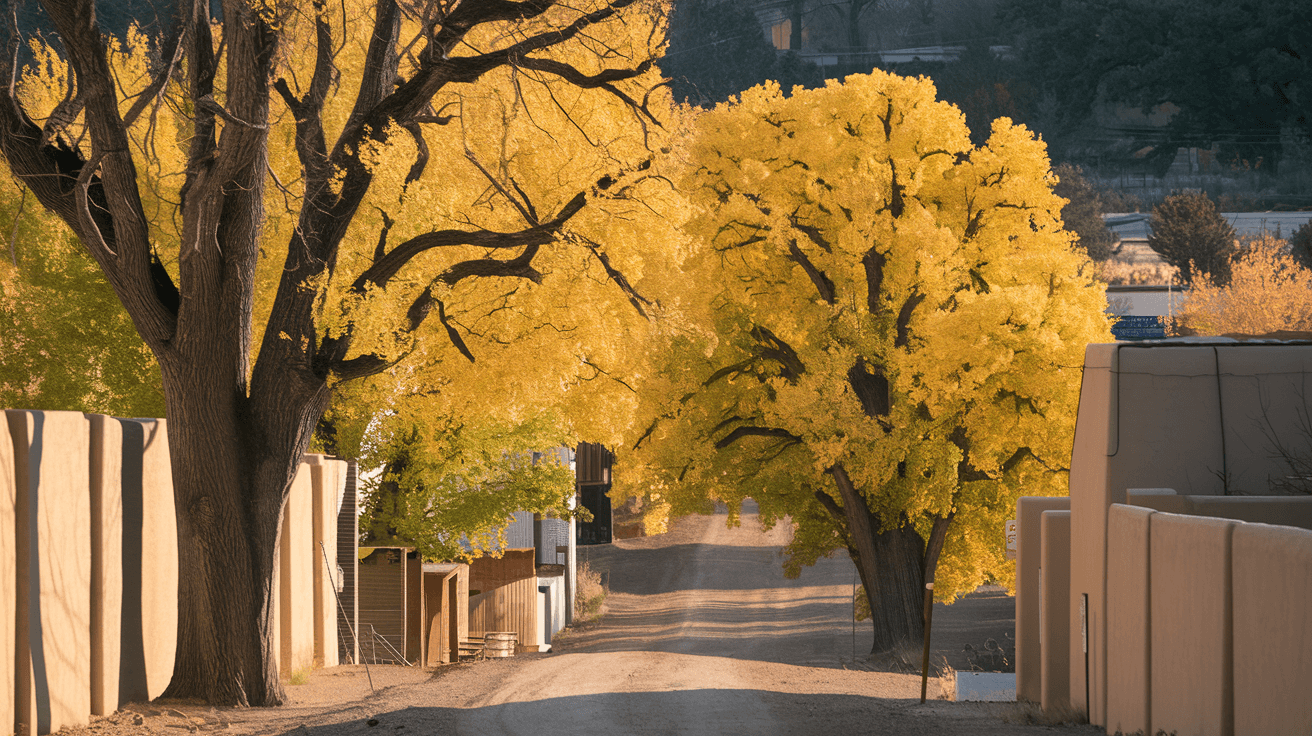
There's a moment that happens to almost everyone the first time they drive down Corrales Road or cut through on Rio Grande Boulevard on a late afternoon in October. The cottonwoods have gone full gold, the irrigation ditches are still running, and somewhere nearby a horse is doing absolutely nothing in particular in a field. You slow down. You think: people actually live like this? They do. And they're not giving it up easily.
Living in North Valley Albuquerque is one of those experiences that's genuinely hard to explain to someone who hasn't spent time here. It doesn't feel like a suburb. It doesn't feel like the city. It feels like a very specific kind of New Mexico that most people assume only exists further north, up toward Corrales or Placitas. But it's here, tucked between the Rio Grande and the West Mesa escarpment, just a few miles from Downtown and Uptown, operating on its own unhurried frequency.
If you're seriously considering a move here, or you're already watching North Valley Albuquerque homes for sale and wondering whether the higher price tags are justified, this is the honest, ground-level take you need.
North Valley Albuquerque Neighborhood Character and What Makes It Different
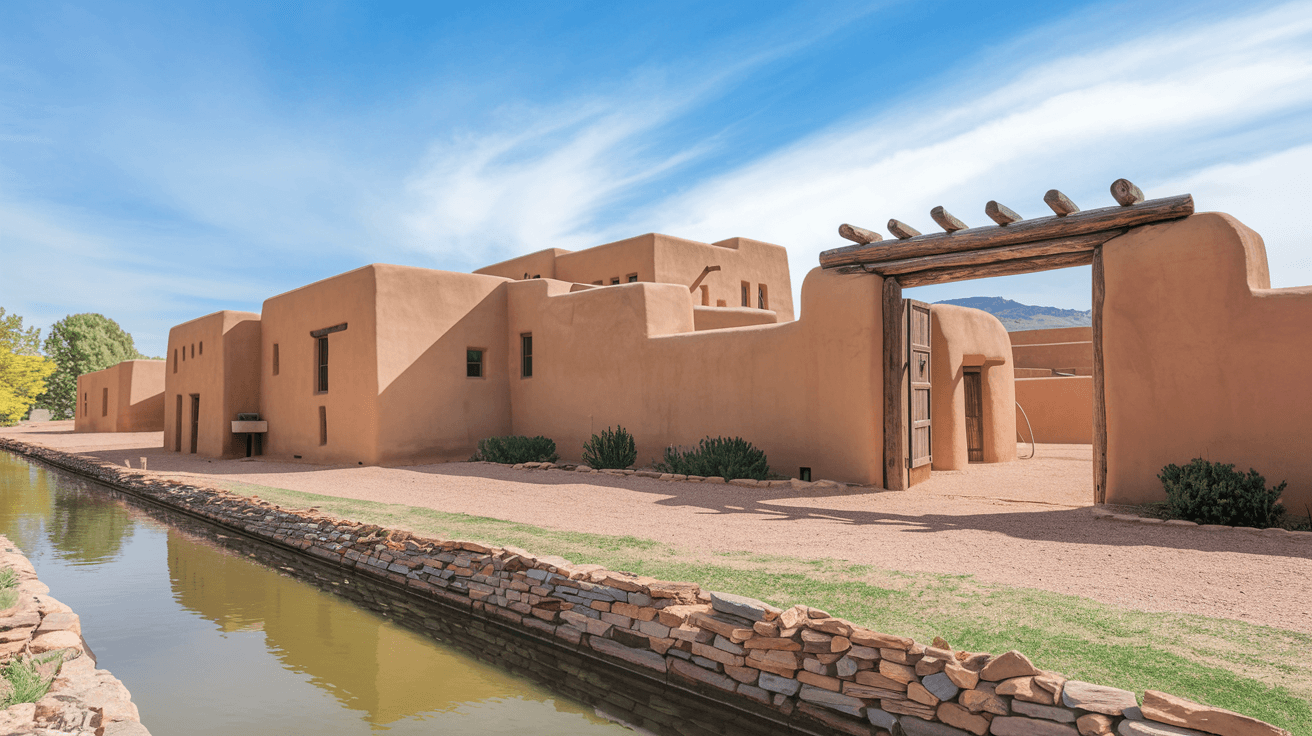
The North Valley runs roughly from Montano Road up toward Alameda Boulevard, with the Rio Grande as its western spine and 4th Street serving as a kind of commercial and cultural corridor through the middle. The lots are bigger here. The trees are older. The acequias, the historic irrigation ditches that have been moving water through this bosque landscape for centuries, still cut through properties and along roadsides like they've always done.
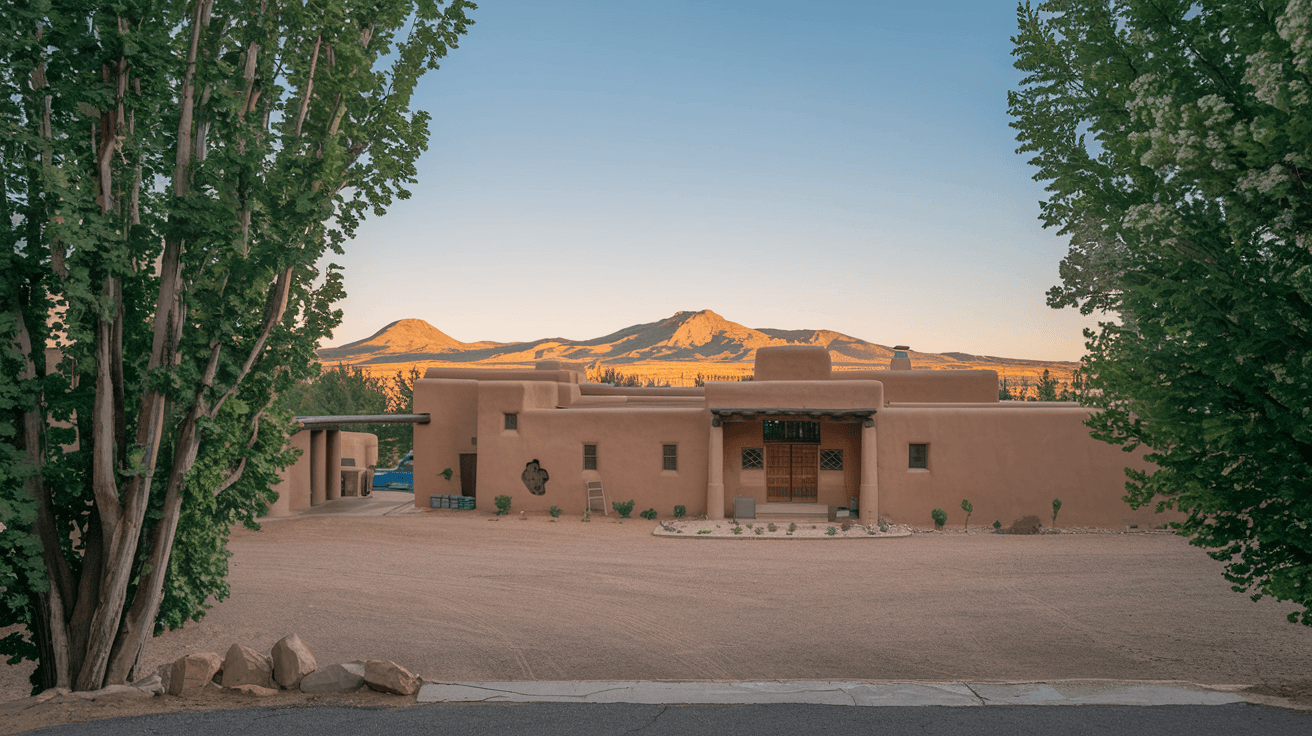
This is agricultural land that became residential without ever fully letting go of its agricultural identity. You'll find half-acre and full-acre lots next to smaller infill parcels. You'll find horses, chickens, and the occasional goat sharing fences with meticulously landscaped adobe compounds. The architecture ranges from modest mid-century ranch homes to sprawling territorial and pueblo-style estates with vigas, portales, and walled courtyards that make you feel like you've stepped into a different era entirely.
The median home price in the North Valley sits around $445,000, which puts it notably above Albuquerque's metro median of $387,000. That premium is not accidental. Buyers are paying for land, for privacy, for mature landscaping that took decades to establish, and for a neighborhood character that simply cannot be replicated in new construction.
“"The North Valley doesn't have a neighborhood association telling you what color to paint your gate. It has something better: neighbors who've been here long enough to care about the place for its own sake."
What the Real Estate Market Looks Like in the North Valley Right Now
The broader Albuquerque market in 2026 has found a kind of equilibrium. With roughly 3,850 active listings across the metro, about 4.3 months of inventory, and homes averaging 31 days on market, it's not the frenzied seller's market of a few years ago. But it's not a buyer's playground either. The list-to-sale ratio is holding at 97.8%, which tells you that well-priced homes are still moving close to asking.
In the North Valley specifically, that dynamic tightens. Inventory here is structurally constrained because the neighborhood is geographically bounded and most of the desirable properties are owner-occupied by people who have no particular reason to leave. When something good comes on the market, especially anything with a full acre, a functional guest house, or a historic adobe with original details intact, it draws serious attention quickly.
North Valley ABQ neighborhood 2026 buyers tend to be more deliberate than average. They're not browsing casually. They've usually done their research, driven the streets, maybe rented nearby. They know what they want and they're prepared to move when the right property appears. If you're in that category, having a local agent who knows which properties have irrigation rights, which lots sit in the FEMA floodplain near the bosque, and which streets actually flood after a monsoon is not a luxury. It's essential.
What Your Budget Gets You at Different Price Points
At $380,000 to $420,000, you're typically looking at smaller lots, updated ranch-style homes, or older properties that need some work. Good bones, established trees, genuine North Valley address.
At $450,000 to $550,000, the inventory opens up considerably. This is where you start finding half-acre lots, adobe construction, updated kitchens and baths, and that combination of indoor-outdoor living that the North Valley does so well.
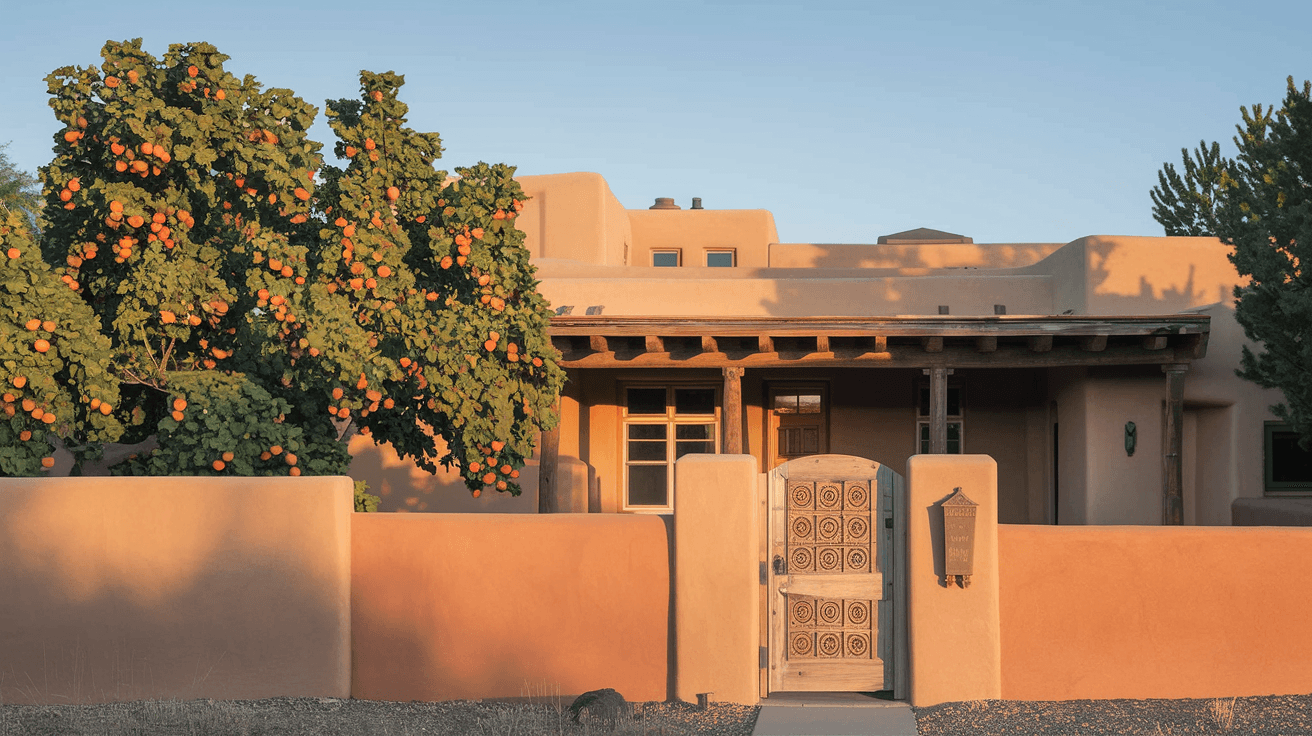
Above $600,000, you're in compound territory. Gated entries, multiple structures, mature fruit orchards, portal living that functions as a genuine outdoor room eight months out of the year. These properties don't come up constantly, and when they do, they tend to attract buyers from out of state who've been watching the market for a long time.
Daily Life Living in North Valley Albuquerque
One of the things people underestimate before moving here is how functional the neighborhood is for everyday life. Yes, it's quieter and more rural in feel than the Northeast Heights or the International District. But you are not remote.
4th Street runs the length of the neighborhood and connects you to everything. Los Ranchos Bakery on 4th is a genuine institution, the kind of place where you'll see the same faces every Saturday morning over green chile breakfast burritos and strong coffee. Casa de Benavidez on 4th has been feeding the neighborhood for decades. The Los Ranchos Growers' Market, which runs seasonally near Rio Grande Boulevard, pulls in vendors from across the Rio Grande valley and is worth your Saturday morning even if you don't need anything.
For groceries and daily errands, you're a short drive to Montano and 4th, where you'll find Sprouts and other practical retail. The Bosque Trail is essentially in your backyard if you're anywhere near the river, and it connects north all the way up toward Corrales and south through the heart of the city. Cyclists, runners, dog walkers, and people who just need twenty minutes of cottonwood and river light use it daily.
Schools here fall under Albuquerque Public Schools, with various elementary options depending on your specific address, Jefferson Middle School, and Valley High School. Families doing their due diligence should visit schools directly and talk to parents in the neighborhood, which is the most reliable research you can do in any district.
“"The bosque doesn't care what the market is doing. It's golden in October, green in May, and completely silent on a Tuesday morning when the rest of the city is already in traffic."
The Insider Detail Most Buyers Miss
Here's something that doesn't show up in most listings and that a lot of buyers don't think to ask about until after they've closed: acequia water rights. Many North Valley properties sit adjacent to or include access to the historic acequia system managed by the Middle Rio Grande Conservancy District. Properties with active irrigation rights can access water for landscaping and agricultural use in a way that dramatically reduces what you'd otherwise spend on a well or municipal water for large lots.
Not every property has them, and the rights themselves have varying conditions attached. But if you're looking at a property with a large lot and mature landscaping and you're wondering how the previous owners kept it that lush in a high desert climate, acequia access is often the answer. Ask specifically. It matters.
Why Buyers Keep Coming Back to the North Valley
There's a pattern the Taylor Team sees regularly with North Valley buyers. They start their search looking broadly at Albuquerque. They tour homes in the Northeast Heights, maybe look at something in Nob Hill or the South Valley. And then they spend an afternoon in the North Valley and something shifts. The pace of it. The way the light comes through the cottonwoods. The fact that you can hear birds more than traffic.
They either fall in love immediately and narrow their search here entirely, or they buy somewhere else and find themselves back two years later, looking again.
Living in North Valley Albuquerque attracts a particular kind of buyer: people who have lived in cities and are done performing urbanness, people who grew up in New Mexico and want the version of it that still feels intact, people who work remotely and have finally decided that if they're going to be home all day they want to be somewhere worth being.
It also attracts buyers who understand land. Who know that a half-acre in a mature, established neighborhood with old trees and water rights is not something you can manufacture. It took time to become what it is. And that's exactly what makes it worth what it costs.
What the North Valley Is Not
Fair-minded buyers deserve the full picture. The North Valley is not the right fit for everyone.
- •Some streets near the bosque do flood during heavy monsoon seasons, and buyers should review FEMA flood maps carefully before making an offer
- •The school options require more research than in neighborhoods with newer, higher-rated campuses
- •If walkability scores matter to you, the North Valley will score low by any standard metric, despite being a wonderful place to actually walk
- •Older adobe construction requires specific maintenance knowledge and comfort with ongoing upkeep that newer construction does not
- •The rural character means fewer streetlights, less retail density, and a quieter nightlife than central Albuquerque neighborhoods
None of these are dealbreakers for the right buyer. But they're worth knowing before you fall in love with a property and then discover the realities of the neighborhood.
Working With an Agent Who Actually Knows the North Valley
The nuances of this neighborhood, flood zones, acequia rights, which blocks have deed restrictions from old agricultural covenants, how to evaluate an adobe's condition versus a frame home, what a fair premium for mature landscaping and lot size actually looks like in the current market, these are things that matter in a transaction here in ways they don't in more uniform suburban neighborhoods.
The Taylor Team has been working in Albuquerque long enough to know the North Valley not just as a map coordinate but as a place. If you're actively looking at North Valley Albuquerque homes for sale and want to talk through what you're seeing in the market, what your budget realistically gets you right now, and what questions to ask before you make an offer, reach out. That conversation doesn't cost anything, and it tends to save buyers from expensive surprises later.
The North Valley moves at its own pace. The cottonwoods have been dropping leaves into these acequias for longer than any of us have been keeping track. The homes here have stories. The right buyer for this neighborhood usually knows it the first time they slow down on Rio Grande Boulevard on an October afternoon and think: people actually live like this.
You could be one of them.
Want more insider intel?
Subscribe to get market updates and new articles delivered to your inbox.