Living in North Valley Albuquerque in 2026: Horse Properties, Acequia Culture, and What Buyers Are Paying for Rural Character Inside City Limits
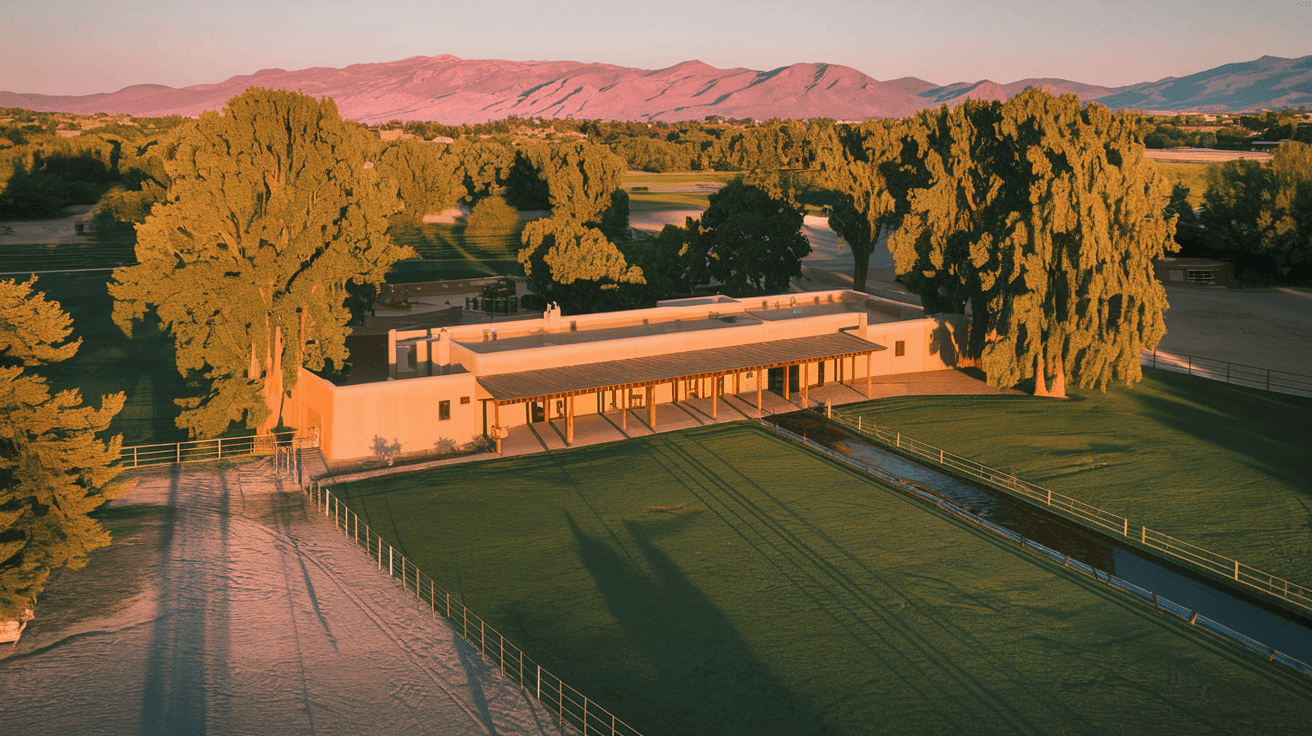
There is a moment, usually somewhere along Corrales Road or down a dirt easement off Rio Grande Boulevard, when you forget you are inside a major American city. The smell of alfalfa is real. The sound of water moving through an acequia is real. The horse watching you from behind a wooden fence post is absolutely real. This is North Valley Albuquerque, and in 2026, buyers are paying a serious premium to live here — and most of them will tell you it is worth every dollar.
North Valley Albuquerque homes in 2026 are trading at a median price of $520,000, a figure that sits roughly $135,000 above the Albuquerque metro median of $385,000. That gap is not accidental. It reflects something specific and increasingly rare: genuine rural character that has survived inside a city of over 560,000 people. If you have been thinking about making a move here, or you are just trying to understand what drives value in this corridor, this is what you actually need to know.
North Valley Albuquerque Homes 2026: Understanding the Market Right Now
The broader Albuquerque market is moving at a measured but steady pace in 2026. Across the metro, homes are sitting an average of 31 days on market, inventory sits at about 3.9 months, and the list-to-sale ratio is holding strong at 97.8% — meaning sellers are getting very close to what they ask. With roughly 3,850 active listings metro-wide, buyers have more options than they did during the frenzy years, but well-priced properties in desirable corridors still move with purpose.
North Valley behaves a little differently from the rest of the city, and understanding that difference matters before you start touring properties.
Why North Valley Inventory Is Always Tight
The land here is simply not replicable. Most of the North Valley sits within the Middle Rio Grande Valley, a stretch of agricultural land that has been protected by a combination of local zoning, the Rio Grande Nature Center State Park buffer, and generations of families who have not sold. The North Valley Coalition and various neighborhood associations have successfully pushed back against dense development for decades. That means when a half-acre horse property with a guest casita and working acequia frontage hits the market near Griegos Road or Montano Road NW, there is not another one just like it coming along next month.
Properties here also tend to sell with less fanfare than in, say, the Northeast Heights. Word travels through the neighborhood — someone mentions at the Los Poblanos Farm Shop that their neighbor is thinking about listing, and by the time the sign goes in the ground, there are already two buyers lined up. If you are serious about buying in the North Valley, having a local agent who is plugged into that informal network is not a luxury. It is the difference between getting a showing and missing the house entirely.
Horse Property Albuquerque North Valley: What You Actually Get for the Money
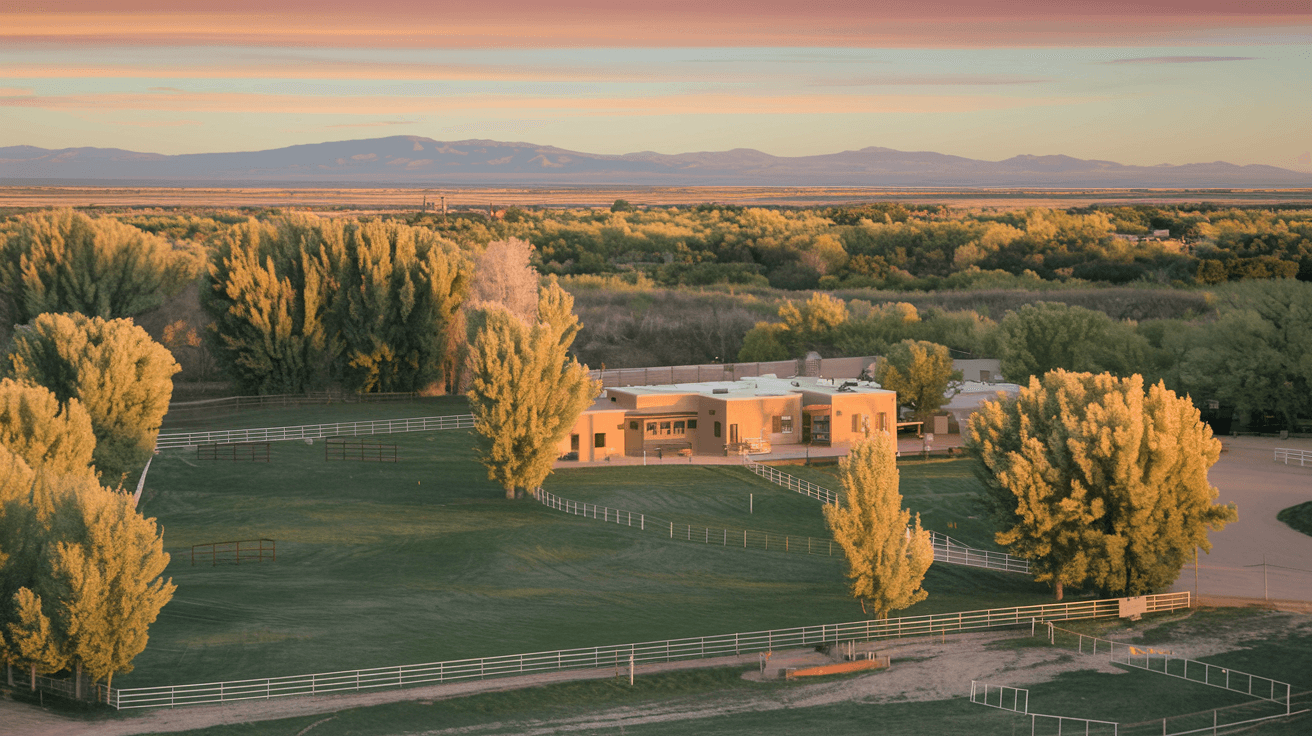
When buyers search for horse property in Albuquerque's North Valley, they are usually picturing something specific. The reality is both better and more nuanced than the listing photos suggest.
A true horse property in this corridor typically means:
- •Minimum half-acre lot, often one to three acres or more
- •Access to or ownership of acequia water rights, which carry real legal and monetary value
- •Zoning that allows livestock, often A-1 or R-A zoning through Bernalillo County or City of Albuquerque
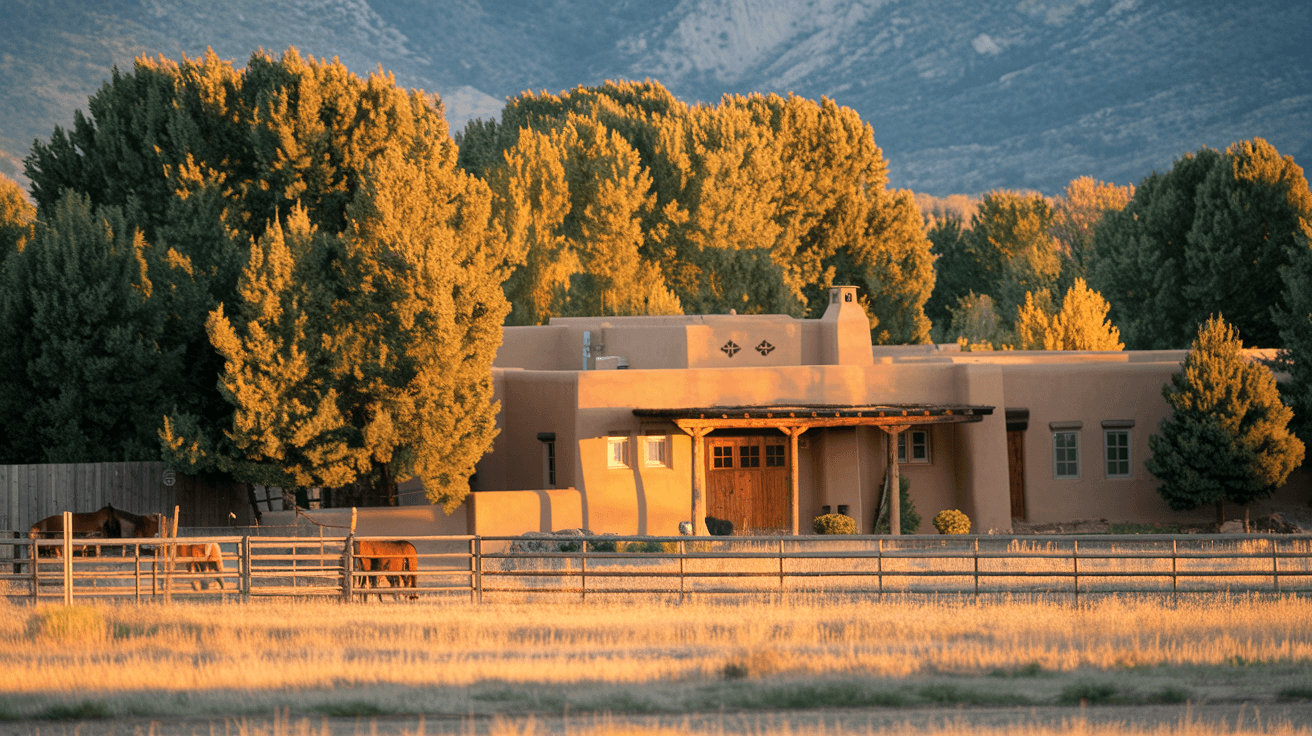
- •An older adobe or territorial-style main house, frequently with a detached guest house or casita
- •Mature Rio Grande cottonwoods that have been growing for decades, providing shade and the unmistakable sound of rustling leaves on a summer afternoon
- •Proximity to the Paseo del Bosque Trail, which connects directly to miles of off-road riding
Prices for genuine horse properties with acreage and water rights in the North Valley start around $650,000 and move up quickly from there. A three-acre property with a renovated main house, a barn, and deeded acequia rights near Candelaria Road NW can easily reach $900,000 to $1.2 million depending on improvements. Buyers from out of state, particularly from California and Texas, have been a consistent presence in this price range, and they tend to move decisively when they find the right property.
“"What surprises most buyers is that you can be twenty minutes from Uptown Albuquerque, have your horses in the backyard, hear the acequia running at night, and still get your Amazon package the next day. That combination does not exist in many places at any price."
Acequia Water Rights: The Hidden Variable in North Valley Real Estate
If you are new to buying in New Mexico, acequia water rights can feel like a foreign concept. They are one of the most important things to understand before making an offer on any irrigated property in the North Valley.
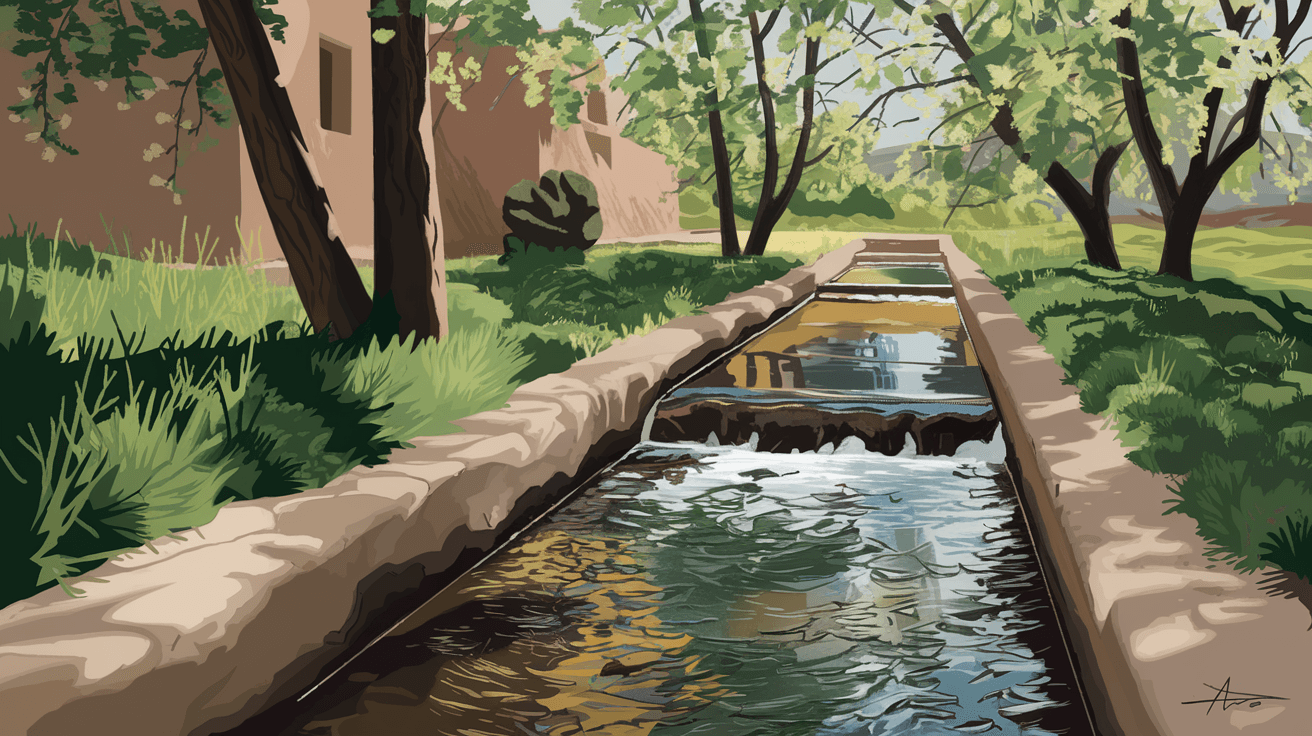
Acequias are community-managed irrigation ditches that have been moving water from the Rio Grande to farms and gardens along this corridor for hundreds of years — in many cases, since before New Mexico was a U.S. territory. The Albuquerque Metropolitan Arroyo Flood Control Authority and individual acequia associations still govern water distribution today. When a property comes with active water rights, it means the land has a legal entitlement to a share of that water during irrigation season, typically April through October.
Those rights have monetary value that is separate from the land itself. They can also be a point of negotiation and due diligence. Some older properties have water rights that have gone dormant through non-use. Others have rights that are shared or contested. Before you close on any irrigated North Valley property, you want a title company and, ideally, a water rights attorney to verify exactly what you are buying. This is the kind of insider detail that can save you significant headaches after closing.
Living in North Valley Albuquerque: The Daily Reality
The lifestyle here is genuinely different from any other Albuquerque neighborhood, and people who move here tend to stay for a long time. The community has a strong identity rooted in New Mexican agricultural heritage, and that shapes everything from the way neighbors interact to what the commercial corridor looks like.
Los Poblanos Historic Inn and Organic Farm on Rio Grande Boulevard is the neighborhood's most visible landmark, and it functions almost like a community anchor. The farm shop sells lavender products, local produce, and goods from regional makers. On weekend mornings, the parking lot is a casual gathering spot for people who live within a few miles. It is not unusual to run into someone you know from the neighborhood association or from the trail.
For everyday needs, Sprouts on Coors Boulevard NW handles groceries, and the stretch of 4th Street NW through the valley has a collection of local restaurants, nurseries, and small businesses that reflect the neighborhood's character. Casa de Benavidez on 4th Street has been feeding North Valley families for generations, and it remains a reliable spot for New Mexican food that does not feel like it was designed for a food magazine photo shoot.
Schools in the North Valley
The North Valley falls within Albuquerque Public Schools, and school options vary by exact location. Most of the valley feeds into Jefferson Middle School and Valley High School. Elementary assignments depend on which part of the valley you are in, as the neighborhood spans several attendance zones.
Many North Valley families also look at private and charter options given the range of quality across APS schools. Bosque School on Bosque School Road NW is a private school that sits right in the heart of the North Valley and has a strong academic reputation. Its location alone makes it a significant draw for families buying in the area. Proximity to Bosque School is a selling point that comes up frequently in buyer conversations.
The Insider Detail Most Buyers Do Not Know
Here is something that does not make it into most listings but matters quite a bit if you are buying irrigated land: the acequia season schedule. Water flows on a rotation, and depending on your parcel's place in the rotation and the year's snowpack, you may have water available only on certain days of the week. In dry years, the rotation can tighten significantly. Before you plan your pasture management or your garden around a property's water rights, talk to the acequia mayordomo for that ditch. They know the real history of the water delivery on that parcel better than any title document will tell you. Most are happy to talk to a prospective buyer who takes the time to ask.
What Buyers Are Actually Paying: North Valley Price Breakdown by Property Type
The $520,000 median for North Valley Albuquerque homes in 2026 covers a wide range of property types. Here is a more granular look at where the money goes:
- •Smaller lots under half an acre, no water rights, updated home: $380,000 to $480,000
- •Half-acre to one-acre irrigated lots with older homes needing work: $450,000 to $600,000
- •One to two acres with horse facilities, functional acequia, remodeled home: $650,000 to $850,000
- •Two-plus acres with barn, casita, deeded water rights, updated everything: $900,000 to $1.4 million
- •Historic adobe estates or properties with significant acreage along Rio Grande Boulevard: $1.5 million and above
The properties at the lower end of this range are often in need of significant updating. Adobe construction requires specific maintenance knowledge, and many of the older homes in the valley have deferred work on roofing, portal reconstruction, or HVAC systems. Buyers who are handy and patient can find real value. Buyers who want move-in ready at the lower end of the North Valley market are going to have a harder search.
One pattern worth noting: cash buyers are a consistent presence in the North Valley above $700,000. This is partly driven by out-of-state buyers liquidating equity from higher-cost markets, and it means that financed buyers competing at that level need to be pre-approved and ready to move quickly when the right property appears.
“"The North Valley is one of those places where the land itself has memory. You are not just buying square footage. You are buying into a relationship with water, soil, and a community that has been here for centuries."
Is the North Valley Right for You in 2026?
The honest answer is that the North Valley is not for everyone, and that is part of what makes it special. If you want a neighborhood where every house was built in the last fifteen years with consistent landscaping and a homeowners association managing the aesthetics, this is not your place. If you want walkable retail within two blocks, it is also not your place.
What the North Valley offers is something harder to quantify and harder to find. It is the sound of the acequia at night. It is the smell of someone burning pinon in November. It is knowing your neighbor's horses by name because you have walked past their pasture five hundred times. It is the Paseo del Bosque Trail on a Tuesday morning when you have it almost entirely to yourself. It is a Sandia Mountain sunrise viewed from a portal that has been standing since before your grandparents were born.
For buyers who connect with that, the premium over the metro median is not a deterrent. It is simply the price of admission to a way of living that Albuquerque has managed to preserve in a way most American cities never did.
If you are thinking seriously about buying in the North Valley and want to understand exactly what your budget gets you in today's market, the Taylor Team at Berkshire Hathaway HomeServices would be glad to walk you through current listings and off-market opportunities. This neighborhood rewards buyers who are prepared and connected, and that is exactly the kind of guidance we are here to provide.
The North Valley has been one of Albuquerque's most quietly compelling places to live for a long time. In 2026, with inventory still limited and demand from buyers who understand its value remaining strong, that is not changing anytime soon.
Want more insider intel?
Subscribe to get market updates and new articles delivered to your inbox.