
Moving to Albuquerque From Seattle or Portland in 2026: Taxes, Climate, and Affordability in New Mexico
Every few weeks, someone calls The Taylor Team after spending a rainy October in Seattle staring at Zillow listings in Albuquerque. They've done the rough math on housing costs. They've watched a few sunset videos filmed from the Sandia foothills. And they have a list of questions that goes about three pages long.
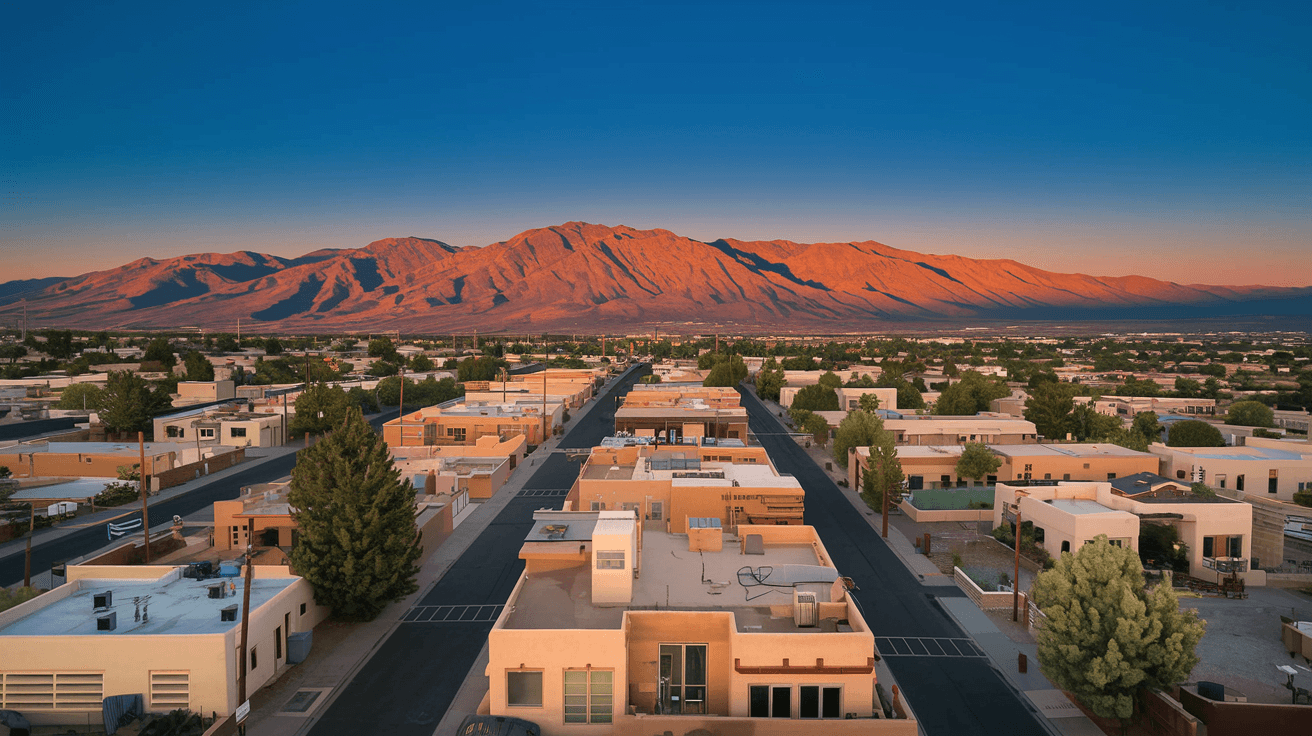
This post is for those people. If you're seriously considering moving to Albuquerque from Seattle, Portland, or anywhere else in the Pacific Northwest, here's what actually matters once you get past the pretty pictures of the Sandia Mountains glowing pink at dusk.
Albuquerque vs Pacific Northwest Cost of Living: The Real Numbers
Let's start with the thing everyone wants to talk about first: money.
The Albuquerque metro median home price sits around $385,000 as we move into 2026. Compare that to Seattle's median, which has been hovering well above $800,000 for years, or Portland's market that still runs $500,000 and up for anything decent inside the city limits. That gap is not a rounding error. That's a different life.
But the purchase price is just the opening act. What most Pacific Northwest transplants don't fully appreciate until they're living here is how the total cost of ownership changes.
New Mexico property taxes are among the lowest in the country. The effective rate statewide averages around 0.80 percent, and Bernalillo County (where Albuquerque sits) is consistent with that. On a $385,000 home, you're looking at roughly $3,000 to $3,200 per year in property taxes. In King County, Washington, that same assessed value might run you $4,500 or more, and you're comparing it against a home that cost twice as much to buy.
New Mexico also has a Valuation Freeze Program for homeowners 65 and older, which locks your assessed value so your property tax bill doesn't climb even if the market does. For retirees relocating from the Pacific Northwest, that's genuinely meaningful.
On state income tax, New Mexico uses a graduated rate that tops out at 5.9 percent. Washington has no state income tax, which is a real advantage Seattle buyers are giving up. Oregon's top rate is 9.9 percent, so Portland residents moving here actually come out ahead. It's worth sitting down with a New Mexico CPA before you finalize anything, but the overall tax picture here is competitive.
“For most Portland buyers we work with, the combined savings on property taxes, state income tax, and the purchase price itself add up to tens of thousands of dollars per year. That money tends to go right back into the quality of life they came here looking for.
Everyday costs also run lower. Utilities are a mixed bag (more on that in the climate section), but groceries, dining, and services are noticeably more affordable. A dinner for two at Casa de Benavidez on 4th Street NW won't run you what a comparable meal costs in Capitol Hill.
Albuquerque Climate vs Seattle and Portland: Sun, Dryness, and Altitude
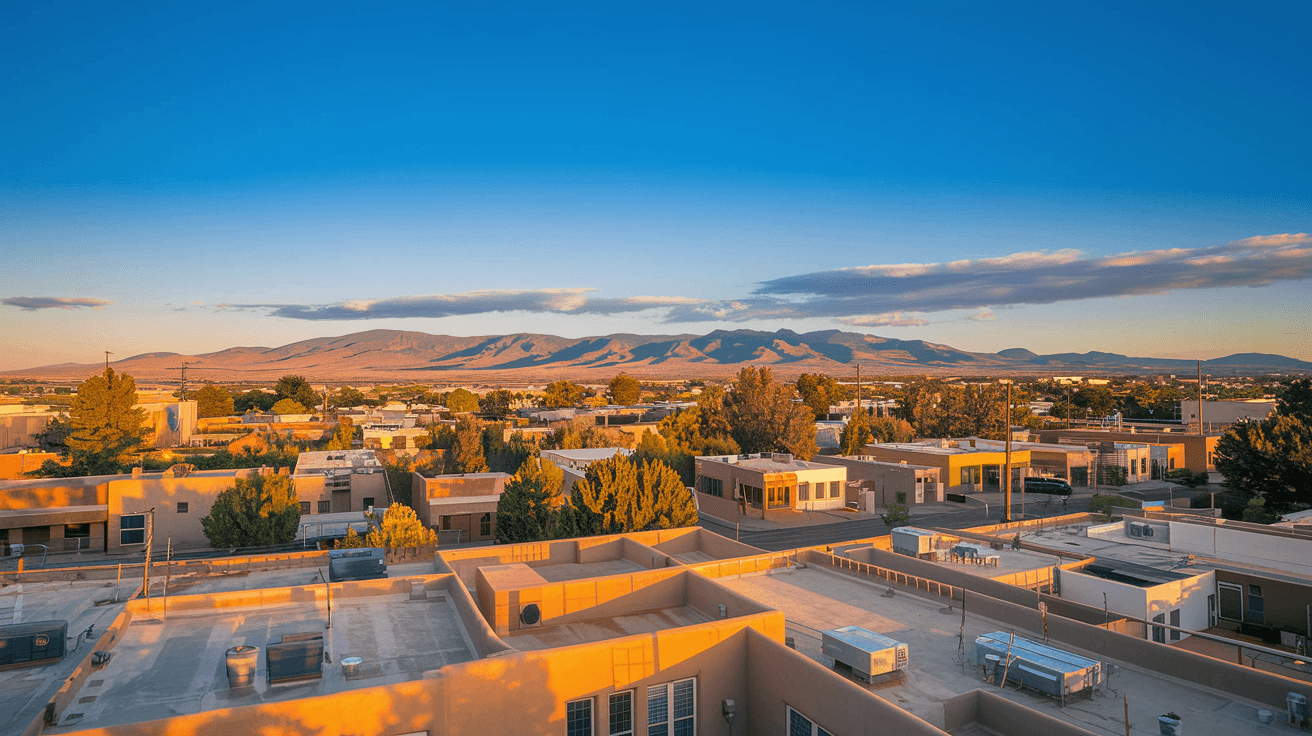
People from the Pacific Northwest tend to romanticize the Albuquerque sun, and honestly, the romanticization is warranted. Albuquerque gets approximately 310 sunny days per year. Seattle averages around 152. Portland sits somewhere in between, but the gray season there is long and relentless.
What catches Pacific Northwest transplants off guard is not the sunshine. It's the combination of high altitude and low humidity.
Albuquerque sits at 5,312 feet above sea level. If you're moving from sea level in Seattle or Portland, the first few weeks can feel like you're running on a slightly deflated engine. Mild headaches, faster dehydration, and a general sense of needing more water than you think are all normal. Most people adapt within a month, but it's worth knowing before you arrive.
The dryness is the other adjustment. Average relative humidity in Albuquerque runs around 40 to 45 percent in summer, dropping even lower in spring. Pacific Northwest residents are accustomed to skin that basically moisturizes itself. That stops working here. Nosebleeds in the first winter are a genuine rite of passage, not a medical emergency. Stock up on a good humidifier and lip balm before the moving truck arrives.
Winters are mild by most standards. Snow in the city itself is light and short-lived, though the Sandia Mountains to the east get significant snowpack, which is why Sandia Peak Ski Area on Tramway Boulevard is a legitimate ski destination with over 200 inches of annual snowfall at the summit. You can ski in the morning and eat green chile stew at a patio restaurant in the afternoon. That combination doesn't exist in Seattle.
Summers are hot, with July and August regularly hitting the mid-90s. But the low humidity makes 95 degrees here feel genuinely different than 85 degrees in Seattle during a heat dome. The bigger adjustment is learning to shift your outdoor activity schedule: early mornings and evenings on the Paseo del Bosque trail along the Rio Grande, afternoons in the shade or indoors.
The monsoon season from roughly mid-July through September is one of the things people either fall in love with or find disorienting. Afternoon thunderstorms roll in from the south almost daily, drop an inch of rain in 45 minutes, and then clear out to leave the most saturated light you've ever seen on the Sandia west face. It is spectacular. It also means flash flooding in arroyos is a real hazard, and you should never drive through standing water in a low-lying area.
Albuquerque Neighborhoods for Pacific Northwest Buyers in 2026
One of the first things Seattle and Portland buyers notice is that Albuquerque's geography is defined by elevation. The East Mountains, the foothills, the Heights, the North Valley, the South Valley, and the Downtown/Old Town core all feel distinct in ways that go beyond zip codes.
High Desert: The Neighborhood That Surprises Pacific Northwest Buyers Most
If you're coming from a walkable Seattle neighborhood like Queen Anne or Fremont and you want views, privacy, and premium construction, High Desert on Albuquerque's northeast side is the neighborhood that tends to stop the conversation.
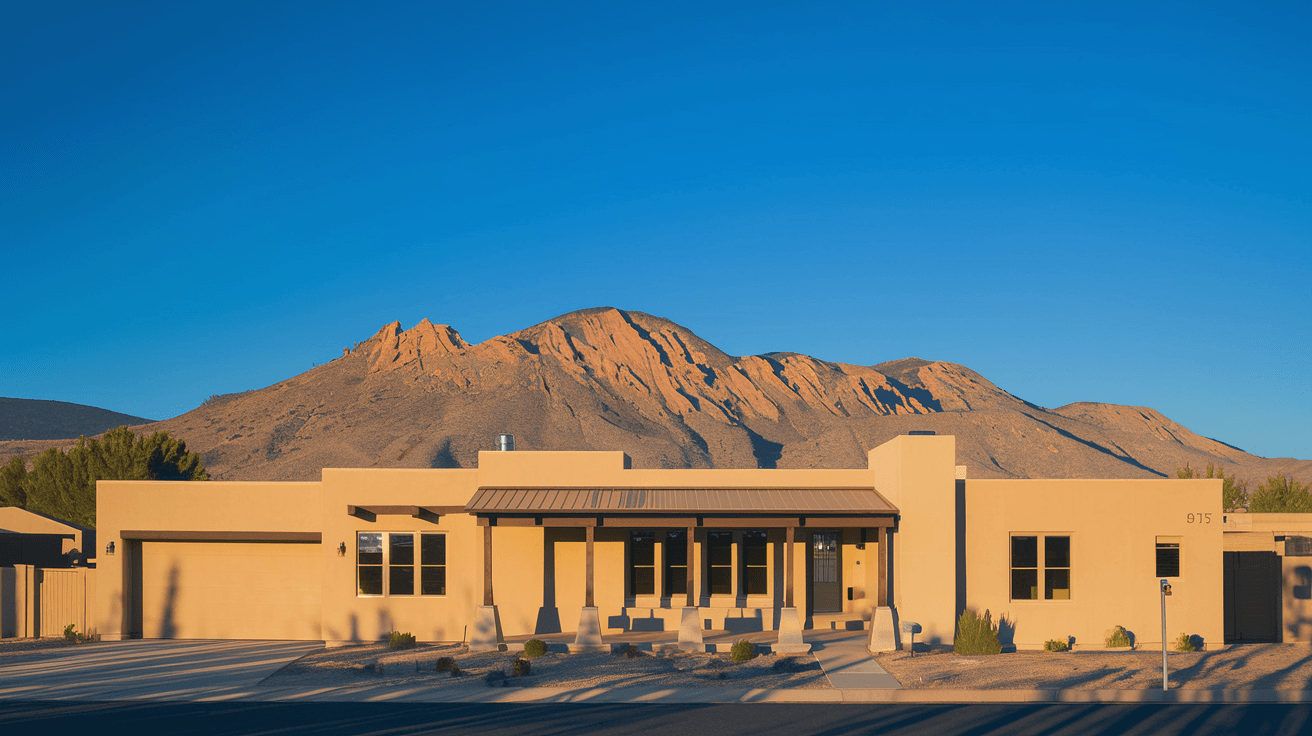
Perched in the foothills just below the Sandia Mountain Open Space, High Desert offers sweeping city and mountain views, custom and semi-custom adobe and stucco architecture, and a median home price around $760,000. That sounds like a lot until you remember what $760,000 buys in Seattle's Eastside suburbs.
The neighborhood feeds into the APS La Cueva High School district, which is one of the highest-performing public high schools in New Mexico. For families relocating from strong public school districts in the Pacific Northwest, that matters.
The trail access from High Desert directly into the Sandia Mountain Open Space is something residents genuinely use on Tuesday mornings, not just on Instagram. The Pino Trail and Embudo Trail are right there. You park in your driveway and you're in the wilderness in ten minutes.
Other Neighborhoods Worth Knowing
- •Nob Hill / UNM area: Walkable, eclectic, Central Avenue corridor with local restaurants and coffee shops. Closer in feel to Portland's Hawthorne neighborhood than anywhere else in the city.
- •North Valley: Agricultural, acequia-irrigated, cottonwood-lined. Think large lots, horses, and old New Mexico character. Very different from anything in the Pacific Northwest.
- •Ventana Ranch / Paseo del Norte corridor: Family-oriented, newer construction, strong school options, easy freeway access. Popular with buyers coming from Bellevue or Beaverton.
- •Downtown / EDo (East Downtown): Lofts, walkability, the emerging Rail Yards Market scene. Still early-stage revitalization, which means opportunity.
How the Albuquerque Real Estate Market Actually Works in 2026
Understanding the mechanics of the market helps you move with confidence instead of hesitation.
With around 3,200 active listings across the metro and 4.1 months of inventory, Albuquerque is in a more balanced market than it was during the 2021-2022 frenzy. That's good news for buyers coming from Seattle, where inventory has been chronically tight. You have options. You have time, relatively speaking, to be thoughtful.
That said, well-priced homes in desirable neighborhoods still move. The average days on market sits around 31 days, and the list-to-sale ratio is 97.8 percent. That last number tells you sellers aren't giving away much. Lowball offers on clean, well-located properties don't tend to land the way buyers hope.
For Pacific Northwest buyers, a few things about the New Mexico transaction process are worth knowing upfront:
- •New Mexico is an attorney state, meaning a real estate attorney handles the closing rather than an escrow company. It's a different process than what Seattle or Portland buyers are used to, but it's straightforward once you understand it.
- •Earnest money deposits are typically 1 percent of the purchase price, lower than what some Pacific Northwest markets expect.
- •Due diligence periods are negotiable and usually run 10 to 14 days, during which inspections and review happen.
- •Water rights are a real consideration in New Mexico in ways they simply aren't in the Pacific Northwest. Your agent should be fluent in this.
“The buyers who have the smoothest transitions are the ones who visit twice before they buy: once during summer monsoon season and once in January. Albuquerque in February is a completely different experience than Albuquerque in August, and you want to fall in love with both versions.
If you're seriously considering a move, reaching out to The Taylor Team early in your process is genuinely useful. We can help you understand which neighborhoods match your lifestyle priorities before you spend three weekends visiting homes that don't fit, and we can connect you with the right lender, inspector, and closing attorney from the start.
What Pacific Northwest Transplants Actually Miss (and What They Don't)
Honesty matters here. Not everything about moving to Albuquerque from Seattle or Portland is an upgrade, and the buyers who thrive here are the ones who went in clear-eyed.
What people miss:
- •Proximity to the ocean. The nearest coast from Albuquerque is roughly 800 miles. That's a real loss for people whose identity is tied to the Pacific.
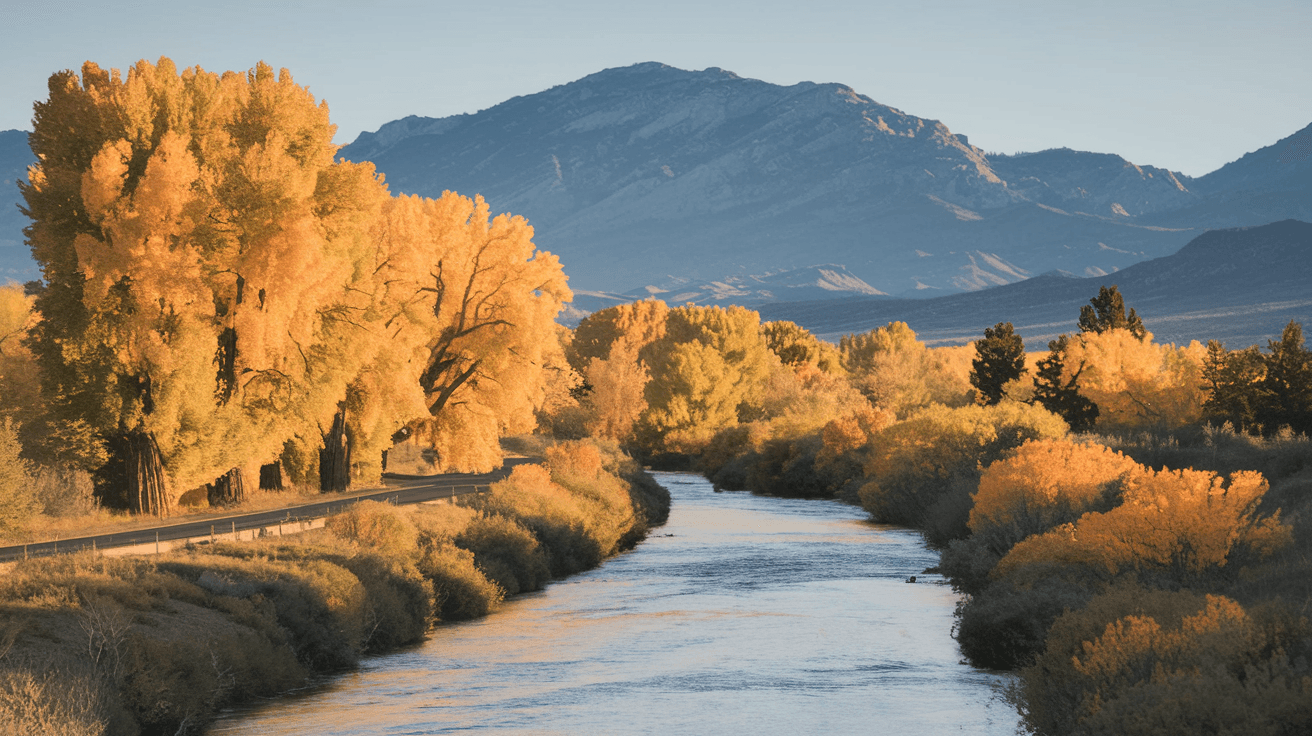
- •Green, lush landscape. The Rio Grande bosque is beautiful in its own way, but it's not the Cascades or the Olympic Peninsula.
- •Walkability in certain contexts. Parts of Albuquerque are walkable, but most of the city is car-dependent in ways that Seattle's urban core is not.
- •Certain food cultures. Albuquerque's restaurant scene is excellent, but if you're a specific kind of Pacific Northwest food person, you'll notice some gaps.
What people genuinely don't miss:
- •Seasonal depression from eight months of gray. This is the number one thing transplants mention, consistently, in their first year here.
- •$900,000 for a 1970s ranch house with a small yard.
- •Oregon's income tax burden, for Portland transplants specifically.
- •Traffic on I-5. Albuquerque traffic on I-25 at rush hour is annoying. It is not I-5 at 5pm on a Friday.
The insider thing nobody tells you before you move: Learn to read the sky from the west. Albuquerque storms come from the south and southwest during monsoon season, and locals develop an almost unconscious habit of watching the horizon toward Los Lunas and the Isleta Pueblo area to know if an afternoon storm is actually going to hit the city or track east toward the mountains. It's not something you'll find in a relocation guide, but it's the kind of local knowledge that makes you feel like you actually live here.
Making the Move: Practical Steps for 2026 Relocation
If your timeline is 2026, the decisions you make in the next few months shape your options considerably.
- •Get pre-approved with a lender familiar with New Mexico, not just a national online lender. Local lenders understand the market, the appraisal landscape, and the closing process.
- •Visit in person before you commit to a neighborhood. Drive Central Avenue from Nob Hill to Old Town. Spend a morning in High Desert. Walk the Bosque. Eat at El Pinto on North 4th Street. The city reveals itself in person in ways no amount of online research replicates.
- •Understand the school district map before you fall in love with a house. APS boundary lines matter, and they don't always align with neighborhood names the way you might expect.
- •Budget for the altitude adjustment period. Some people feel it for two weeks, some for two months. Either way, plan for it.
- •Talk to someone who already made the move. The Pacific Northwest to Albuquerque transplant community is larger than you'd expect, and people who've done it are almost universally willing to talk about it.
Albuquerque in 2026 is a city with real momentum. The Albuquerque Sunport has expanded its direct routes, the film industry is pumping serious economic activity into the metro, and the remote work migration that started in 2020 has matured into a steady, sustainable influx of buyers who chose this place intentionally. The people moving here from Seattle and Portland aren't fleeing. They're choosing.
The Sandia Mountains are going to turn pink at 6:47pm on your first evening here, and you're going to understand immediately why people make this move. The Taylor Team is here when you're ready to make it real.
Want more insider intel?
Subscribe to get market updates and new articles delivered to your inbox.