Relocating to Albuquerque from the Midwest in 2026: What Chicago, Kansas City, and Denver Buyers Find When They Trade Winters, Property Taxes, and Housing Costs for the High Desert
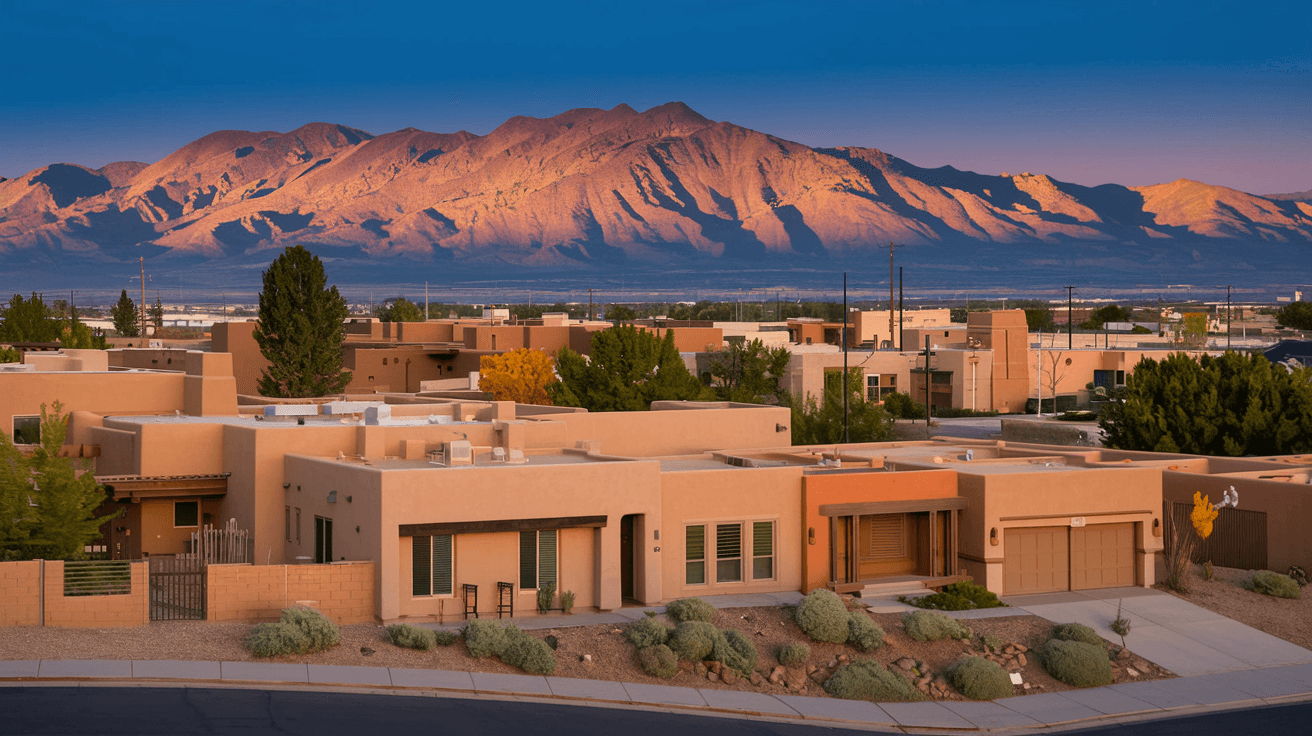
There's a moment that happens to almost every buyer relocating to Albuquerque from the Midwest — usually around day two of their visit. They're standing somewhere on Tramway Boulevard watching the Sandia Mountains turn that impossible shade of watermelon pink at dusk, and they get very quiet. Then they ask, almost suspiciously, "Why doesn't everyone live here?"
It's a fair question. And the honest answer is that a lot of people are figuring that out right now. In 2026, Albuquerque is landing on relocation radar screens across the country, particularly for households in Chicago, Kansas City, and yes, even Denver — a city that has priced out its own longtime residents. What they find when they get here is a housing market that is genuinely more affordable, a tax structure that rewards homeownership, and a daily quality of life that is harder to quantify but impossible to ignore once you've experienced it.
This guide is for the buyer who has done the initial Google searching, maybe visited once, and is now trying to understand what life actually looks like on the ground in Albuquerque. We'll talk real numbers, real neighborhoods, and a few things you won't find in any chamber of commerce brochure.
Relocating to Albuquerque from the Midwest: The Housing Cost Reality in 2026
Let's start with the number that usually ends the debate. The metro median home price in Albuquerque sits around $385,000 as of 2026. For a buyer coming from the Lincoln Park or Lakeview neighborhoods of Chicago, that figure sounds almost too good to be true. For someone leaving Overland Park or Johnson County in Kansas City, it represents a meaningful but manageable shift. For the Denver transplant? It can feel like a financial rescue.
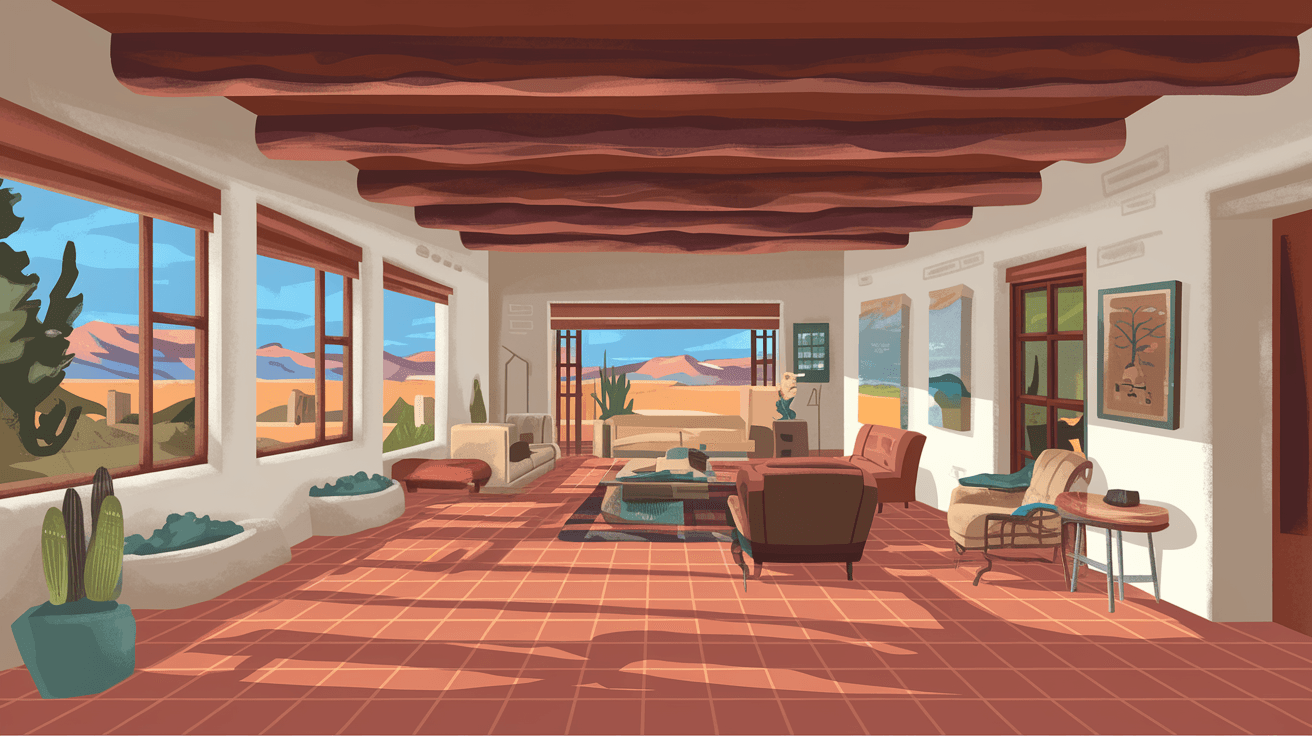
What that $385,000 buys here is genuinely different from what it buys in those markets. In Albuquerque, you're looking at actual square footage — homes with three or four bedrooms, a backyard that catches the afternoon sun, and often a two-car garage. In the Northeast Heights, along streets like Montgomery and Candelaria, that budget puts you in established neighborhoods with mature cottonwoods and easy access to the Sandia foothills trails. In the North Valley, you might find an older adobe with vigas and a portal that opens onto a quiet acequia. These are not compromise homes. They are genuinely good places to live.
The market's pace deserves attention too. With active listings around 3,850 and average days on market at 34, this isn't a frenzied situation where you're waiving inspections and writing love letters to sellers. But it isn't slow either. A list-to-sale ratio of 97.8% tells you that well-priced homes are moving close to asking, and with roughly 3.9 months of inventory, buyers have real choices without the panic that defined markets a few years ago. It's a balanced market that rewards prepared buyers — those who are pre-approved, know their priorities, and move decisively when the right property appears.
What Chicago Buyers Are Leaving Behind
The conversation with Chicago buyers almost always starts with property taxes. Cook County's property tax rates are among the highest in the country, and a home in the $400,000 range in suburban Chicago can carry an annual tax bill of $8,000 to $12,000 or more. New Mexico's property tax structure is a genuine shock to that system, in the best possible way. Effective rates in Bernalillo County are typically well under one percent of assessed value, and the state's valuation cap limits how quickly your assessed value can increase year over year. For buyers planning to stay long-term, that compounding benefit is significant.
Beyond taxes, Chicago buyers often mention the winters. Not as a minor inconvenience — as a genuine quality-of-life factor that has worn them down over years. Albuquerque sits at roughly 5,300 feet elevation, and yes, it does snow occasionally. But the difference is that by 10 a.m. on a January morning, the sun has usually handled the problem for you. 310 days of sunshine per year is the number people cite, and it holds up in practice.
What Kansas City and Denver Buyers Are Comparing
Kansas City buyers tend to be pleasantly surprised by Albuquerque's food and culture scene, which is often underestimated from the outside. The Old Town area, the Nob Hill stretch of Central Avenue, and the Barelas neighborhood near the Rail Yards represent a cultural density that catches Midwesterners off guard. James Beard-recognized chefs, a legitimate green chile obsession that shapes the entire local food identity, and a visual arts community anchored by institutions like the Albuquerque Museum and the 516 Arts gallery on Central — it's more layered than the flyover assumptions suggest.
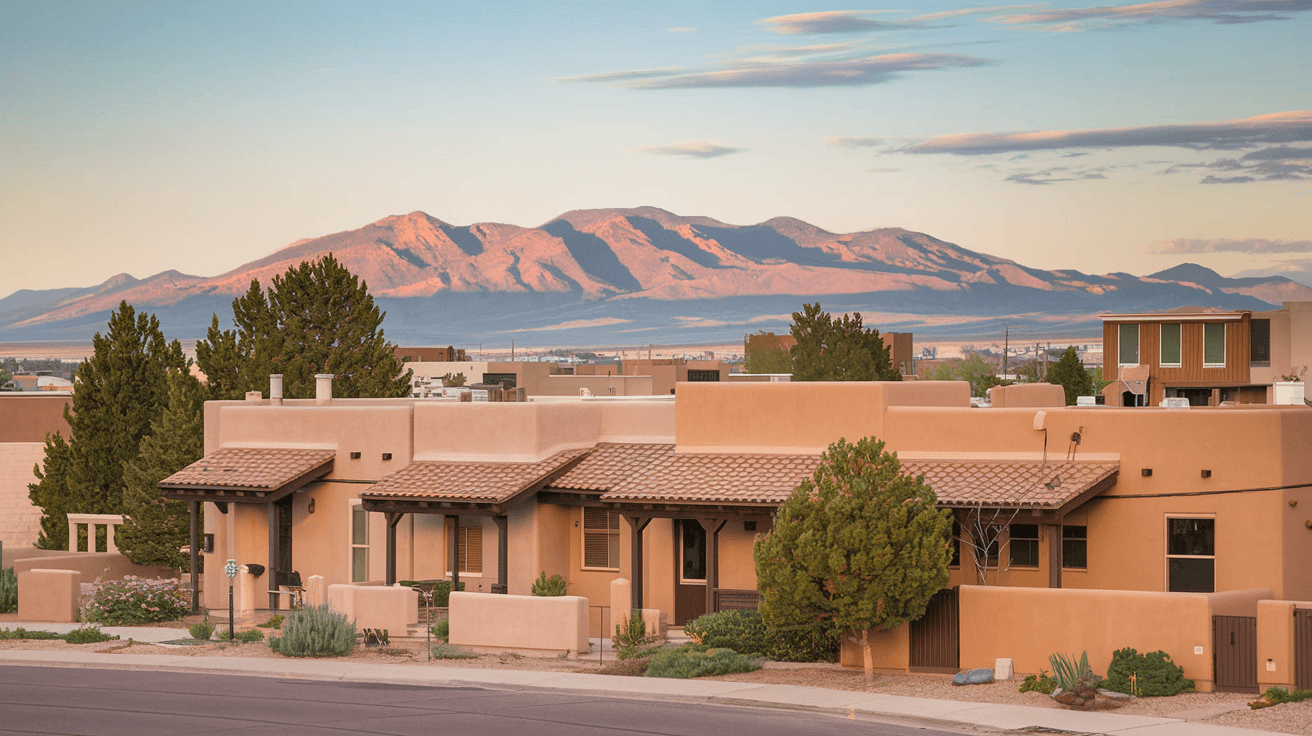
Denver buyers are doing math. The Denver metro median home price has climbed well past $550,000, and in desirable neighborhoods like Washington Park or Highland, entry-level single-family homes can push $700,000 or more. Albuquerque offers comparable mountain access, a genuine outdoor lifestyle, and a significantly lower cost of entry. The Sandia Mountains provide world-class hiking and the Sandia Peak Ski Area for winter recreation, all within 30 minutes of most neighborhoods. The Rio Grande Bosque trail system runs through the heart of the city. You are not giving up the outdoors by leaving Colorado. You are simply paying less for them.
“"The buyers who struggle with Albuquerque are the ones who expected to find Denver at a discount. The buyers who thrive here are the ones who came ready to discover something completely its own."
Albuquerque Relocation Guide 2026: Neighborhoods Worth Understanding Before You Visit
Albuquerque is not one monolithic place, and first-time visitors sometimes make the mistake of judging the whole city by what they see from I-40. The neighborhoods have distinct personalities, and matching a buyer to the right one makes an enormous difference in long-term satisfaction.
The Northeast Heights is where a large portion of the city's established middle-class housing stock lives. Streets like Wyoming, Eubank, and Louisiana run north-south through grids of mid-century ranches and 1980s builds, many of them well-maintained and competitively priced. It's practical, accessible, and close to Trader Joe's on Montgomery and the Sprouts on Menaul if that kind of infrastructure matters to your daily life.
Nob Hill and the UNM area along Central Avenue attract buyers who want walkability, character, and proximity to the University of New Mexico campus. The housing stock here is older, often with more personality — Craftsman bungalows, Spanish Eclectic styles, and the occasional full adobe that has been in one family for generations. It's the part of Albuquerque where you can walk to a genuinely great meal at places like Frenchish or Zacatecas and feel like you're in a real urban neighborhood.
The North Valley is a revelation for buyers who want land, privacy, and an agricultural character that feels completely unlike anything in the Midwest. Properties here often sit on larger lots along the Rio Grande, with access to the Bosque trails and a quiet that is hard to find in most American cities. It skews older housing stock and requires more buyer patience, but the reward is a lifestyle that feels genuinely uncommon.
Rio Rancho, just northwest of the city, deserves mention because it draws a significant number of relocating families. Newer construction, more predictable HOAs, good schools in the Albuquerque metro context, and slightly lower price points. It lacks some of the character of older ABQ neighborhoods but delivers consistency and space.
New Mexico Tax Advantages That Midwest Buyers Often Miss
The property tax conversation is important, but it's not the whole picture. New Mexico's income tax structure has been moving in a favorable direction, with recent legislative changes reducing the top marginal rate. For retirees specifically, Social Security income is not taxed at the state level in New Mexico, which is a meaningful benefit for buyers in the 55-plus demographic who are relocating from Illinois, where that same income faces state taxation.
The cost of living index in Albuquerque runs meaningfully below Chicago and Denver across most categories — utilities, groceries, healthcare, and dining. When buyers run a full household budget comparison rather than just looking at home prices, the advantage often widens. A family carrying a $3,200 monthly mortgage payment in Albuquerque may find that their overall monthly outlay is lower than what they were spending in a rental or a higher-taxed ownership situation in the Midwest.
One thing worth flagging for buyers who work remotely: New Mexico has been actively courting remote workers with various economic incentive programs, and the state's lower cost of living combined with a Mountain Time Zone position makes it genuinely practical for teams spread across the country.
What the Locals Know That the Internet Doesn't Tell You
Here is the insider piece that only comes from actually living here. Albuquerque has a microclimate reality that varies significantly by elevation and neighborhood. The West Side, across the Rio Grande from the main city, tends to be windier and can feel more exposed. The Northeast Heights, sitting higher against the Sandia foothills, stays cooler in summer and occasionally gets more snow in winter. The valley floor along the river is warmer in winter but can trap inversion layers in January that make the air quality temporarily unpleasant.
None of this is disqualifying — it just means that where you buy affects your daily experience in ways that a standard listing description won't capture. A buyer who hates wind should probably not be on the West Mesa. A buyer who prioritizes summer heat relief should look uphill.
The other thing locals know: the green chile question is not a joke. Hatch green chile season in late August and September is a genuine cultural event, and you will develop opinions about mild versus hot, Hatch versus Pueblo, roasted at the grocery store parking lot versus roasted at home. This sounds trivial until you've lived here through one season and realized that it is, in fact, central to the social fabric of the place.
“"Albuquerque doesn't try to be somewhere else. That's either its greatest charm or its greatest challenge, depending entirely on what you bring to it."
If you're seriously considering relocating to Albuquerque from the Midwest and want to understand specific neighborhoods, current inventory, or what the buying process looks like in this market, the Taylor Team at Berkshire Hathaway HomeServices is a good place to start that conversation. We work with relocating buyers regularly and know how to translate what you're leaving behind into what makes sense here.
The Honest Tradeoffs: What Albuquerque Is and Isn't
Fair is fair, so here's the part where we don't oversell. Albuquerque is a city of roughly 570,000 people in the metro, and it has the characteristics of a mid-sized Sun Belt city. Traffic on I-25 during the morning commute between Paseo del Norte and I-40 is genuinely frustrating. The city has neighborhoods that are working through long-standing economic challenges, particularly in the South Valley and parts of the Central corridor. Public transit is limited compared to Chicago, and a car is essentially mandatory for daily life.
The restaurant scene is excellent for its size but not Chicago. The arts and culture offerings are real but not Denver's scale. If you are measuring Albuquerque against major metros on sheer amenity volume, it will not win that comparison.
What it wins on is the ratio of quality of life to cost of living. The 290-day average of sunshine, the access to genuine wilderness within city limits, the food culture that is entirely its own rather than borrowed from somewhere else, the housing that lets you own something real without spending the next 30 years financially stretched — these are the things that keep people here once they arrive.
Buyers who come to Albuquerque looking for a cheaper version of where they came from often leave underwhelmed. Buyers who come open to something genuinely different — a city shaped by three distinct cultures, sitting at a mile of elevation, surrounded by high desert that is beautiful in a way that takes a few weeks to fully register — those buyers tend to stop looking the moment they find the right house.
The Sandia Mountains will still be pink at dusk on your thousandth evening here. That part doesn't get old.
Want more insider intel?
Subscribe to get market updates and new articles delivered to your inbox.