Relocating to Albuquerque from Seattle and Portland in 2026: What Pacific Northwest Buyers Actually Find in the High Desert
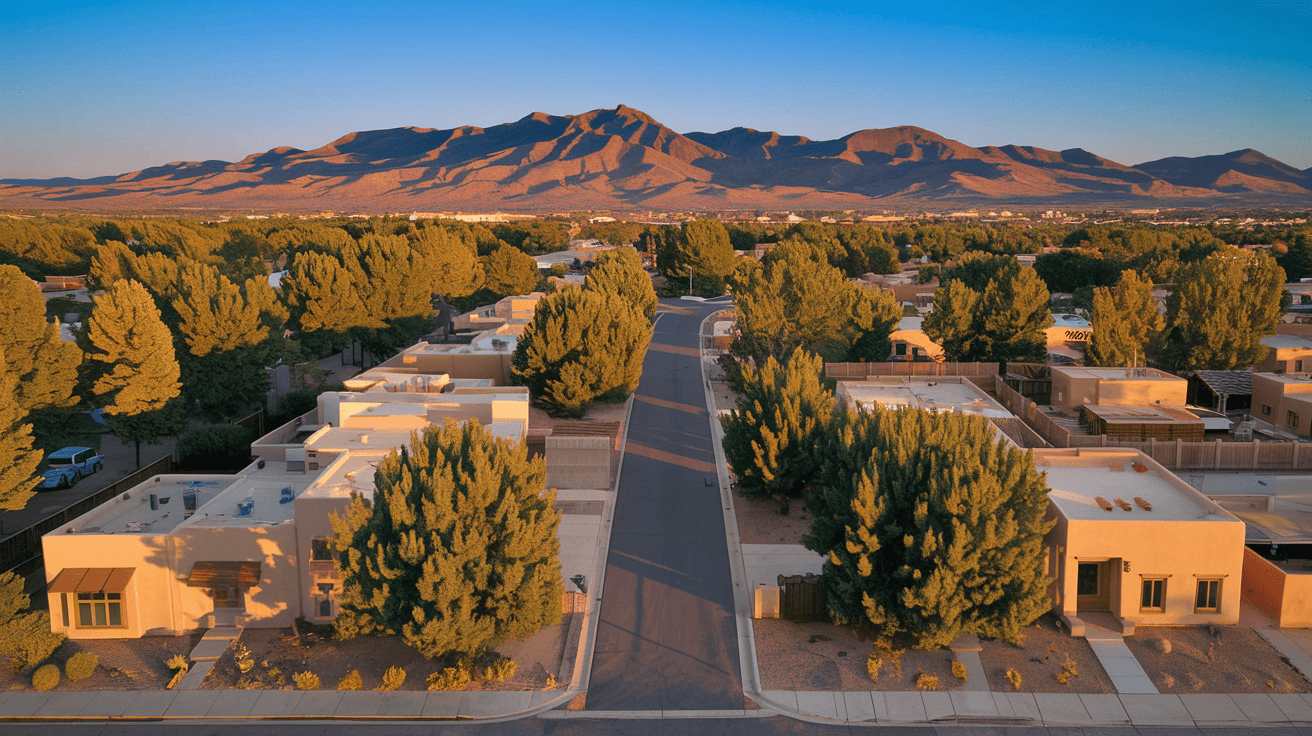
Every few weeks, someone lands at Sunport with a one-way ticket and a Zillow saved search, and they almost always say the same thing: "I had no idea it looked like this." That reaction makes sense. When you've spent years in Seattle or Portland, your mental image of New Mexico is probably a flat, dusty expanse somewhere between a Western film set and a gas station off I-40. Then the Sandia Mountains turn watermelon pink at sunset and the whole premise collapses.
Relocating to Albuquerque from Seattle has become one of the more consistent real estate storylines we see heading into 2026. The reasons are rarely just financial, though the numbers make a compelling opening argument. They're about recalibrating what daily life actually feels like, trading the particular exhaustion of Pacific Northwest metro living for something that moves at a different pace without sacrificing the cultural texture people assume they'll have to give up.
This is what we see when those buyers arrive, what surprises them, what catches them off guard, and what they wish someone had told them before the moving truck pulled away from Capitol Hill or the Pearl District.
Relocating to Albuquerque from Seattle: The Real Cost of Living Comparison
Let's start with the number that usually opens the conversation. The Albuquerque metro median home price sits right around $385,000 as of early 2026. If you've been watching Seattle or Portland markets, you already know what that number means in context. In Seattle's close-in neighborhoods, that figure gets you into a competitive bidding war for a 1,100-square-foot condo with a parking space that costs extra. In Portland's Eastside, you're maybe clearing the first round of offers on a fixer in a flood zone.
In Albuquerque, $385,000 opens a genuinely different conversation. You're looking at single-family homes with yards, garages that fit actual vehicles, and in many cases, mountain views that people in other cities pay a premium surcharge to approximate.
Beyond purchase price, the cost of living differential is real and felt immediately:
- •New Mexico has no estate tax and relatively low property taxes compared to Washington and Oregon
- •State income tax exists but is structured in a way that typically benefits middle-income earners moving from higher-tax Pacific Northwest states
- •Utilities run lower on average, though summer cooling costs in July and August deserve a line item in your budget
- •Groceries, restaurants, and everyday services skew noticeably more affordable
- •There is no Washington state income tax, so Seattle transplants need to do the actual math rather than assume New Mexico is automatically cheaper on that line
The market pace is worth understanding before you arrive. With around 3,850 active listings across the metro and roughly 3.9 months of inventory, Albuquerque is not a frenzied seller's market, but it is not a buyer's paradise either. Well-priced homes in desirable neighborhoods are moving in about 31 days on average, and sellers are getting close to what they ask, with a list-to-sale ratio of 97.8 percent. That means lowball offers on clean, well-located properties are not a winning strategy. Come prepared, not casual.
What the High Desert Neighborhood Actually Delivers
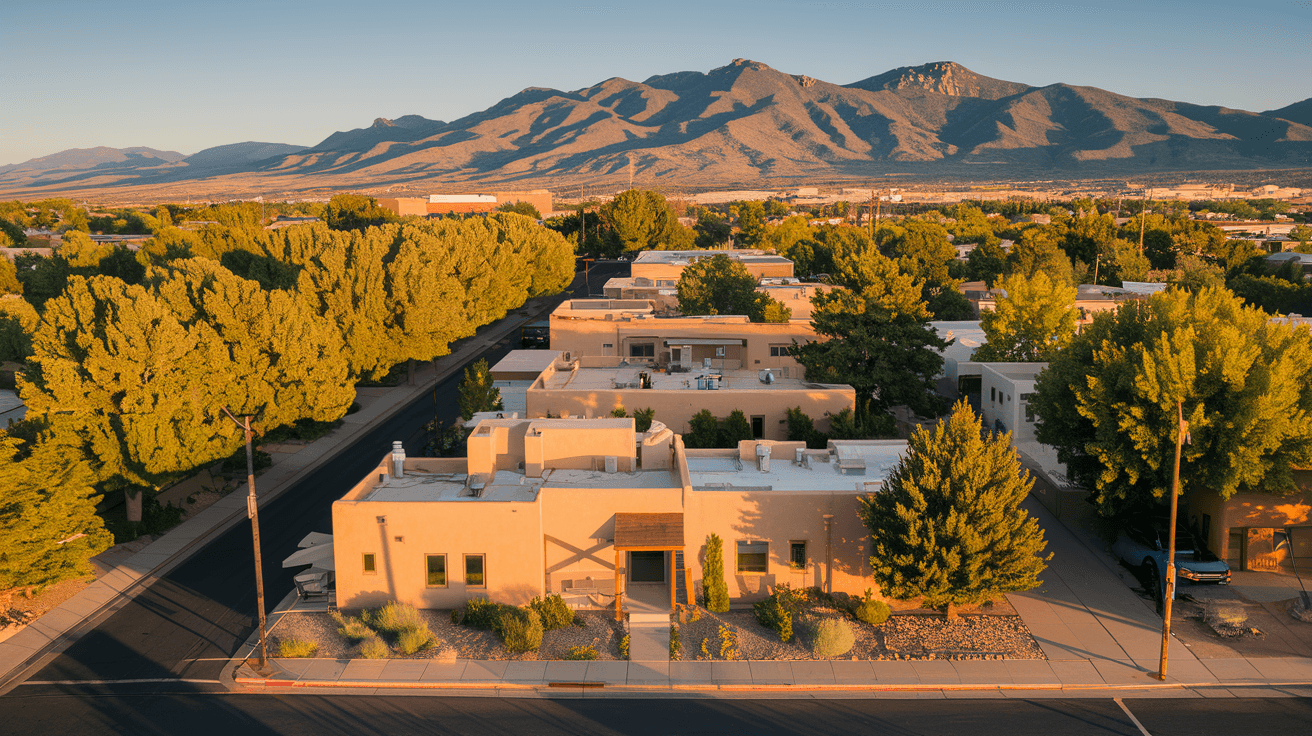
When Pacific Northwest buyers ask about premium neighborhoods with serious views, High Desert is the first conversation we have. Sitting in the Northeast Heights and backing up against the Sandia foothills, this is one of Albuquerque's most architecturally intentional communities. The median price in High Desert runs around $750,000, which puts it firmly in the upper tier of the local market but still well below what comparable view properties command in Bellevue or Lake Oswego.
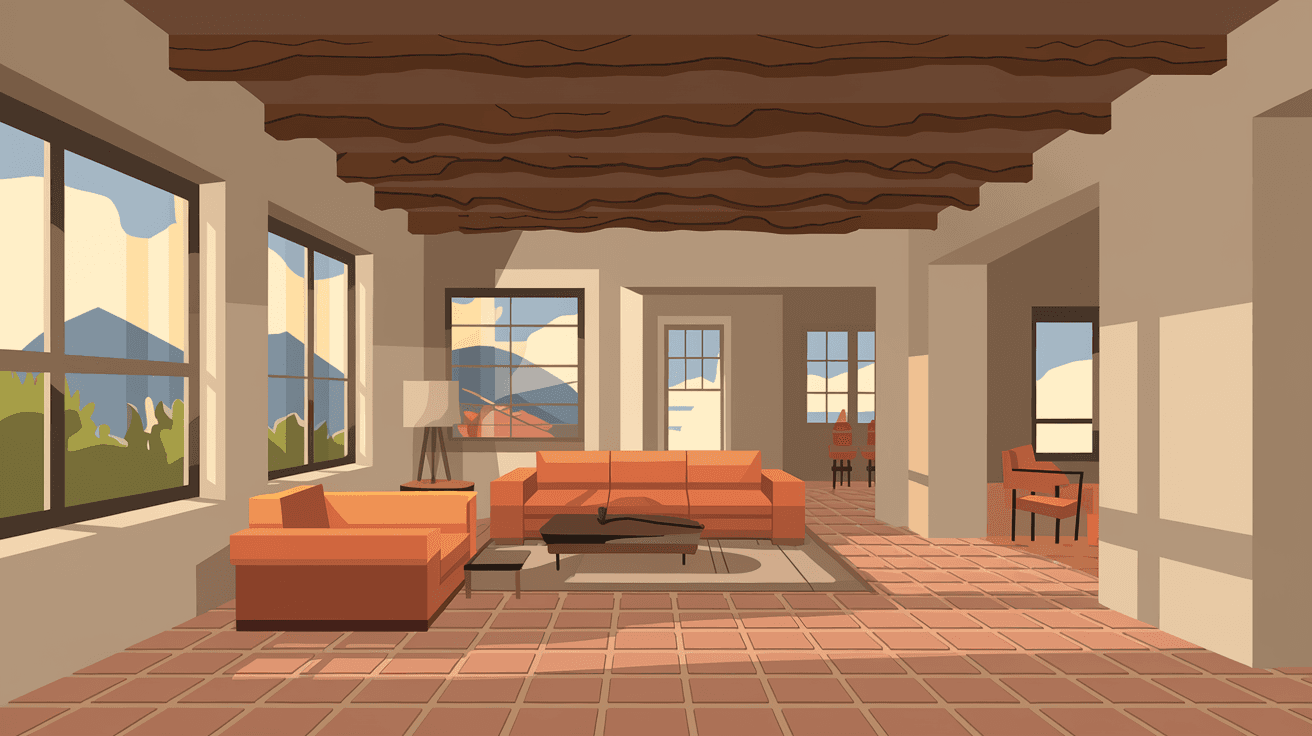
The homes here are predominantly Southwestern contemporary and pueblo revival architecture, built into the terrain rather than imposed on it. You get the kind of outdoor living that Pacific Northwesterners fantasize about during the seven months they spend watching rain streak down their windows. Private patios, covered portales, xeriscaped yards that don't demand constant attention, and in many cases, unobstructed sight lines to the Sandias that never get old.
High Desert sits within the Albuquerque Public Schools district, specifically the La Cueva High School feeder pattern, which is consistently one of the stronger academic programs in the metro. For families making the move with school-age kids, that matters and it's one of the questions we get asked early in the process.
The location also puts you close to the Paseo del Norte and Tramway intersection, which means quick access to the Sandia Peak Tramway, the Elena Gallegos picnic area, and miles of open space trails that connect directly to the Cibola National Forest. Seattle transplants who are used to weekend hiking culture do not have to give that up. They just trade the evergreen canopy for granite and scrub oak.
“"What nobody tells you before you move here is that the outdoor access isn't a consolation prize for leaving the Pacific Northwest. It's genuinely different, and for a lot of people, it becomes the thing they love most about Albuquerque."
Moving to New Mexico from Portland 2026: The Cultural Reality Check
Portland transplants in particular sometimes arrive with a specific anxiety: that Albuquerque won't have the food culture, the independent business scene, or the arts infrastructure they're used to. That concern evaporates pretty quickly once someone spends a weekend actually exploring the city.
Nob Hill along Central Avenue between Girard and Washington is the closest thing to a neighborhood commercial strip that feels culturally familiar to Portland arrivals. Independent coffee shops, bookstores, vintage clothing, galleries, and a restaurant scene that punches well above what you'd expect from a city of 560,000. Tractor Brewing on Central draws the kind of neighborhood crowd that would feel at home on NE Alberta. Frontier Restaurant across from UNM operates on its own category entirely and is one of those places that becomes a daily habit faster than you'd expect.
The Old Town and Barelas neighborhoods give you something neither Seattle nor Portland can replicate: a living, working cultural history that goes back to 1706. The Albuquerque Museum on Mountain Road, the National Hispanic Cultural Center down in Barelas, the Indian Pueblo Cultural Center near I-40 and 12th Street. These aren't tourist attractions that residents ignore. They're woven into the actual rhythm of local life.
For the tech and creative class workers making the move, Albuquerque's downtown and Uptown corridors are seeing genuine investment in coworking infrastructure and creative office space. The remote work reality that accelerated during the pandemic has made Albuquerque's value proposition much more legible to Pacific Northwest professionals who no longer need to be physically tethered to a Seattle or Portland office.
Pacific Northwest to Albuquerque Real Estate: What the Buying Process Looks Like Here
One of the most consistent pieces of feedback we hear from Seattle and Portland buyers is that the Albuquerque buying process feels more human. That's partly the pace of the market, partly the culture, and partly the fact that you're not making million-dollar decisions in a 72-hour window with ten competing offers.
That said, preparation still matters. A few things that catch Pacific Northwest buyers off guard:
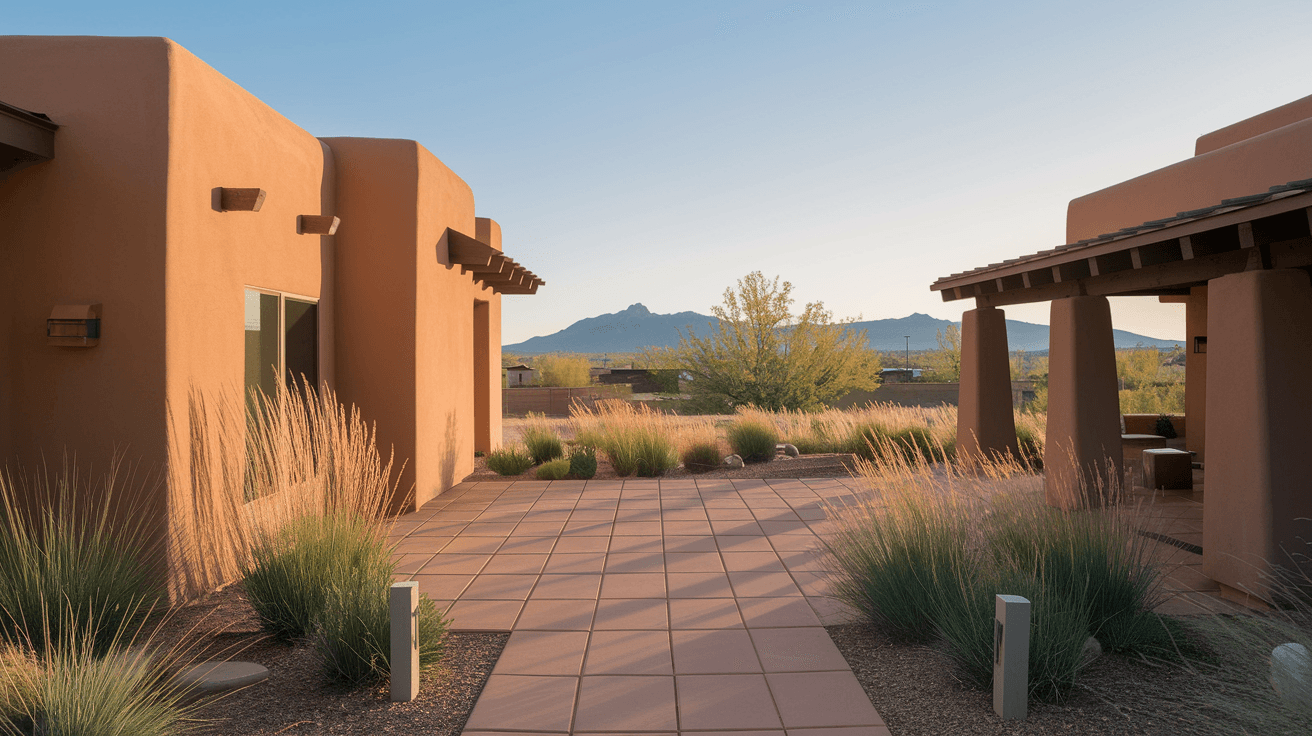
- •Adobe and stucco construction is the norm, not the exception. If you've only ever owned wood-frame construction, get a thorough education on how these homes age, how they're maintained, and what inspection points matter most. A good inspector who knows New Mexico construction is worth every dollar.
- •Water rights and irrigation are concepts that rarely come up in Pacific Northwest real estate. In New Mexico, water is the resource that shapes everything, and understanding how it affects property in different parts of the metro is part of doing your homework.
- •Elevation and climate affect everything from how your furniture acclimates to how your skin feels for the first six months. Albuquerque sits at roughly 5,300 feet. The dryness is real and the UV index is not to be underestimated. This sounds minor until it isn't.
- •The 87110, 87111, and 87122 zip codes cover a wide range of neighborhood character and price point. Knowing which zip codes align with your priorities takes local knowledge, not just a filter on a real estate app.
Here's the insider detail that most buyers don't hear until they're already under contract: the acequia system that runs through older Albuquerque neighborhoods is genuinely charming until you buy a property that abuts one without understanding the maintenance obligations and access easements involved. It's not a dealbreaker, but it's a conversation worth having before you fall in love with a place on Edith or Rio Grande Boulevard.
If you're planning a trip to Albuquerque to look at properties before committing to the move, reach out to The Taylor Team at Berkshire Hathaway HomeServices before you book flights. We can structure a two or three-day tour that covers neighborhoods matching your actual priorities rather than just the ones that photograph well on Instagram. That kind of on-the-ground orientation changes the decision-making process entirely.
What Seattle and Portland Buyers Miss, and What They Don't
Honesty serves everyone better than a sales pitch, so here's the unvarnished version of what Pacific Northwest transplants tell us after they've been here a year.
What they genuinely miss:
- •Green. The persistent, saturated green of the Pacific Northwest is something your eyes actually mourn for a while. The high desert has its own beauty but it takes time to recalibrate.
- •The ocean. This one is non-negotiable. New Mexico is about as landlocked as a state can be, and if the Pacific was part of your identity, you'll feel that absence.
- •Certain grocery and retail options that haven't reached the Albuquerque market yet, though this gap has narrowed significantly over the past five years
- •Frequent, reliable public transit. Albuquerque is a driving city. The ABQ Ride system and the Rail Runner to Santa Fe exist and have their uses, but if you moved car-free in Portland, you'll need to adjust that expectation.
What they don't miss:
- •The gray. After two winters in Albuquerque, where the sun appears roughly 310 days a year, Pacific Northwest transplants almost universally report that the light alone was worth the move.
- •The traffic. Albuquerque has congestion, particularly on I-25 through the Big I interchange during commute hours, but it operates on a different scale than what Seattle's 520 bridge or Portland's Barbur Boulevard deliver daily.
- •The housing cost anxiety. The particular stress of watching your purchasing power erode in real time while the market moves faster than your savings is something people describe like putting down a heavy bag.
- •The commute culture that assumes two hours a day in a car or on a train is simply the cost of living in a major metro
“"The thing I didn't expect was how much mental bandwidth I got back when housing stopped being a source of constant stress. That's not a small thing."
Understanding Albuquerque's Neighborhoods Beyond the High Desert
High Desert is the right answer for a specific buyer profile, but the Albuquerque metro has enough neighborhood variety that most Pacific Northwest transplants find at least two or three places that genuinely resonate.
Nob Hill and the University area appeal to buyers who want walkability, older character homes, and proximity to Central Avenue's commercial energy. Prices here are more accessible, with well-maintained mid-century properties often landing in the $300,000 to $450,000 range.
The North Valley along the Rio Grande delivers something genuinely unexpected: large lots, cottonwood bosque access, horses if that's part of your life, and a rural character that exists within fifteen minutes of downtown. This is where people who loved the acreage and space of rural Oregon but wanted to be closer to city infrastructure tend to land.
Corrales, technically its own municipality just north of the city, operates like a village within the metro. It has its own character, its own pace, and a Main Street with local shops and restaurants that feels insulated from the broader sprawl in a way that's hard to describe until you've driven it.
Four Hills and Kirtland Estates on the Southeast Mesa offer newer construction at competitive prices with strong mountain views and easy freeway access for buyers who prioritize space and value over walkability.
The right neighborhood depends entirely on how you actually live, not how you imagine you'll live. That's a conversation worth having in detail before you start scheduling showings.
Albuquerque in 2026 is not a hidden gem in the way that phrase usually gets deployed, meaning it's not undiscovered and prices are not going to stay flat indefinitely. But it remains a city where the math still works, where the culture rewards curiosity, where the food is genuinely world-class in ways that surprise people, and where the light on the Sandia Mountains on a clear October evening is the kind of thing that makes people stop mid-sentence.
Pacific Northwest buyers relocating here aren't settling. Most of them, a year in, will tell you that directly.
Want more insider intel?
Subscribe to get market updates and new articles delivered to your inbox.