Retiring to Albuquerque NM: Why More Retirees Are Choosing ABQ Over Tucson and Phoenix in 2026
If you have been watching the retirement relocation conversation online lately, you have probably noticed something shifting. The usual suspects, Tucson and Phoenix, are still in the mix, but a growing number of retirees are quietly landing in Albuquerque and wondering why they waited so long. Retiring to Albuquerque NM is no longer a niche choice. It is becoming the smart one.
This is not a pitch. This is just what we see on the ground every week, helping families from California, Texas, Colorado, and beyond find their footing in the Rio Grande valley. So grab your coffee and let's talk through what is actually driving this shift in 2026.
Retiring to Albuquerque NM: The Cost of Living Comparison That Changes Minds
The first thing most out-of-state retirees ask about is money, and that is a completely fair place to start. Phoenix and Tucson have long marketed themselves as affordable Sun Belt options, but that story has aged poorly. Phoenix median home prices have surged past $420,000 and in many desirable retirement-friendly zip codes they push well above $500,000. Tucson is somewhat more modest, but infrastructure and healthcare access in many neighborhoods leave something to be desired.
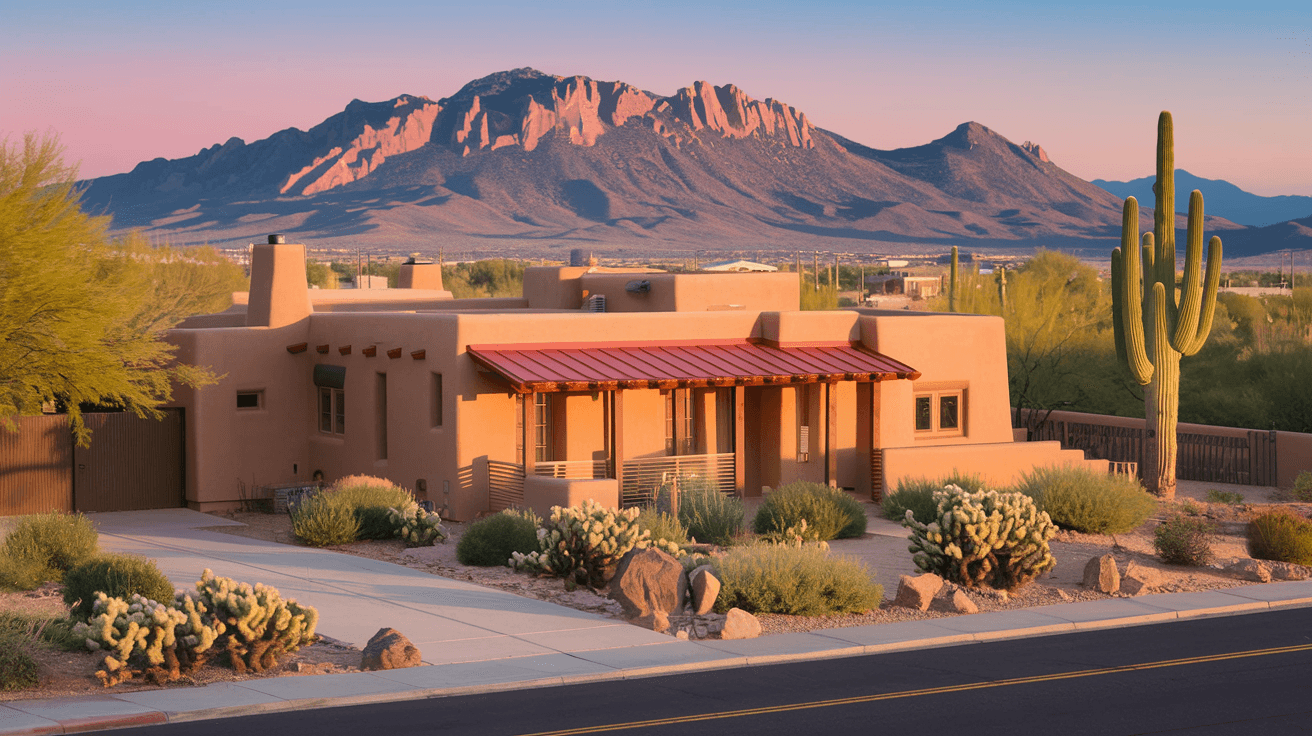
Albuquerque tells a different story right now. The metro median home price sits at $385,000, which is meaningfully lower than Phoenix and buys you considerably more square footage here. We are talking about homes with real yards, mountain views, and finished details that would cost you $100,000 more across the Arizona border. The market is active but not frantic. With 3,200 active listings and 2.8 months of inventory, buyers have real choices without the desperation-bidding circus that defined the pandemic years.
The average days on market is 34 days and the list-to-sale ratio holds at 98.1%, which tells you this is a healthy, stable market. Sellers are getting fair prices. Buyers are not getting steamrolled. That balance matters enormously when you are making a retirement-sized financial decision.
Beyond housing, New Mexico's tax treatment of retirement income is genuinely favorable. Social Security income is exempt from state income tax for most retirees, and the state offers additional exemptions for pension and retirement account income depending on your income level. Property taxes here tend to run lower than comparable Arizona properties as well. Over a 20-year retirement, those differences compound into real money.

Albuquerque Weather vs. Phoenix and Tucson: The Summer Heat Reality
Let's be honest about something the Arizona tourism boards would rather not lead with: Phoenix summers are brutal in a way that increasingly limits outdoor living for retirees. We are talking about sustained stretches of 110 to 115 degree days where leaving the house between 9am and 7pm is genuinely inadvisable. For retirees who moved to the Southwest specifically to enjoy outdoor life, that is a serious problem.
Albuquerque sits at 5,312 feet of elevation. That single fact changes everything about the climate. Our summers are warm and sunny, yes, but high temperatures typically range from the low to mid-90s, and evenings cool down to the 60s reliably. You can actually sit on your patio in July. You can walk the bosque trail along the Rio Grande at Paseo del Bosque in August without it feeling like a medical emergency.
“"The elevation here does something to people. Retirees who expected a desert retirement and got four actual seasons, cool evenings, and real snow on the Sandias in winter tell us they had no idea how much they missed genuine weather until they found it again."
We also get legitimate snowfall on the Sandia Mountains from November through March, which means skiing at Sandia Peak is genuinely accessible. The tram up to 10,378 feet is a 15-minute drive from many eastside neighborhoods. For retirees who love outdoor recreation but are not looking to live in a cold-weather city, Albuquerque threads that needle almost perfectly.
Tucson is cooler than Phoenix but still significantly hotter than Albuquerque in the summer months. And neither Arizona city offers the kind of elevation-driven climate relief that ABQ delivers year-round.
Best Albuquerque Neighborhoods for Retirement Relocation in 2026
This is where things get specific, and specificity matters when you are choosing where to spend the next chapter of your life.
Corrales: The Village Life That Surprises Everyone
If you want to understand why retirees fall in love with the Albuquerque metro and never look back, drive up Corrales Road on a Sunday morning. Corrales is a genuine village, not a subdivision pretending to be one. Adobe walls line narrow roads, horses graze in back pastures, and the Corrales Bistro or Casa Vieja feel like they have been there forever because they basically have.
The median home price in Corrales sits at $625,000, which reflects both the lot sizes and the lifestyle premium. Properties here often come with acreage, mature cottonwoods, and views of the West Mesa that remind you this is the actual Southwest, not a theme park version of it. It feeds into Corrales Elementary through Sandoval County and connects to Rio Rancho schools, which matters for retirees who have grandchildren visiting or family considering a move nearby.
For retirees with a higher budget who want privacy, space, and character that no new construction community can replicate, Corrales is worth every conversation.
Northeast Heights and the High Desert Area
The Northeast Heights neighborhoods, particularly the areas around Tramway Boulevard and the foothills, offer something rare: walkable access to excellent healthcare, proximity to Sandia Peak, and housing stock that ranges from well-maintained 1980s ranch homes to custom contemporary builds. Presbyterian Rust Medical Center and Lovelace Medical Center are both easily accessible from this part of town.
The High Desert neighborhood specifically has become a quiet favorite among relocating retirees who want a master-planned feel without the cookie-cutter aesthetics. The homes back up to open space preserves and the trail system connects directly to the Sandia foothills trails.
Nob Hill and the UNM Area: Walkability and Culture
For retirees who are downsizing and want a more walkable, culturally rich environment, the Nob Hill corridor along Central Avenue delivers in ways that suburban Phoenix simply cannot. Bookworks on Rio Grande, Scalo Northern Italian Grill, Zinc Wine Bar, and the array of independent shops along Central give this neighborhood a texture that feels lived-in and real. The Albuquerque Museum, the KiMo Theatre, and Old Town are all within easy reach.

Albuquerque Healthcare Infrastructure for Retirees
Healthcare access is not a romantic topic, but it is the one that keeps retirees up at night when they are considering a move to a smaller market. Albuquerque is not a small market. It is the 33rd largest city in the United States and serves as the medical hub for the entire state of New Mexico and parts of southern Colorado.
Presbyterian Healthcare Services operates a major hospital system here with specialized cardiac, oncology, and orthopedic programs. UNM Health is an academic medical center attached to the University of New Mexico, which means access to specialists and clinical trials that you simply would not find in a smaller retirement destination. Lovelace Health System rounds out a competitive healthcare landscape that gives patients real choices.
For retirees managing chronic conditions or anticipating the healthcare needs that come with aging, the concentration of specialists in Albuquerque is a meaningful advantage over smaller New Mexico communities that often require driving two hours to Albuquerque for anything beyond primary care. You are already here.
The Albuquerque Sunport also deserves mention in this context. Direct flights to Dallas, Denver, Phoenix, Los Angeles, and Chicago mean that getting to a major medical center, or getting family in to visit you, does not require a connection through a hub. That accessibility is easy to underestimate until you need it.
Albuquerque Retirement Lifestyle: Culture, Food, and the Things Nobody Tells You
Here is the insider truth that does not make it into the relocation brochures: Albuquerque's food culture is genuinely world-class in its own lane, and once you understand it, you will not be thinking about the restaurant scene in Scottsdale anymore.
New Mexican cuisine is not Mexican food. It is its own culinary tradition built around red and green chile that is grown right here in the Rio Grande valley. The Hatch chile harvest in late August and early September is a community event. Grocery stores set up roasters in their parking lots. The smell of roasting green chile is, without exaggeration, one of the most beloved sensory experiences in the state. Retirees who arrive skeptical become converts within weeks.
“"People tell us all the time that they came for the cost of living and the climate, but they stayed because of the food, the art, the people, and the feeling that this city has its own identity. It does not feel like everywhere else."
The International Balloon Fiesta every October transforms the entire city for two weeks in a way that has to be experienced to be understood. Launching from Balloon Fiesta Park near Alameda and I-25, hundreds of hot air balloons lift off at dawn while the Sandias turn pink behind them. Retirees who are here for it the first time describe it as one of the most beautiful things they have ever seen.
The Old Town Plaza, the National Hispanic Cultural Center on 4th Street, the Indian Pueblo Cultural Center on 12th, and the Albuquerque Museum on Mountain Road give this city a cultural depth that cities three times its size would envy. The arts community centered around the Rail Yards and the emerging Sawmill District brings a creative energy that keeps the city feeling alive and evolving.
The insider tip worth knowing: if you want to experience Old Town without the weekend crowds, go on a Tuesday or Wednesday morning. The vendors are set up, the galleries are open, and you will have conversations with artists and shop owners that you simply cannot have when tour buses are rolling through. That is the real Old Town.

What the Albuquerque Real Estate Market Actually Looks Like for Retiring Buyers Right Now
Buying in Albuquerque in 2026 is not the white-knuckle experience it was in 2021 and 2022. The market has settled into something that actually rewards prepared buyers who know what they want.
With 34 average days on market, you have time to see a home more than once, bring in an inspector, and make a considered decision. That is not a luxury you had two years ago in most Sun Belt markets. The 98.1% list-to-sale ratio means that sellers are pricing realistically and buyers are paying close to asking, not wildly over it. This is a functioning market, not a speculative one.
For retirees coming from California or Colorado with equity to deploy, the $385,000 metro median opens up a range of options that can feel almost disorienting at first. A budget that would buy a small condo in Denver buys a three-bedroom home with a mountain view here. A California equity release can buy a home outright or with a very manageable mortgage.
The practical steps matter here. Getting pre-approved before you start touring, understanding the difference between the various Albuquerque sub-markets, and working with agents who actually know the neighborhoods rather than just the MLS data, those things make the difference between a good decision and a great one.
If you are seriously considering Albuquerque retirement relocation and want to talk through neighborhoods, price ranges, and what the process actually looks like from a local perspective, the Taylor Team at Berkshire Hathaway HomeServices is a good place to start that conversation. We have helped a lot of people make this move and we know the questions you have not thought to ask yet.
The comparison to Tucson and Phoenix will always come up, and it should. Those are legitimate options with real advantages. But for retirees who want lower home prices, a genuinely milder summer climate, exceptional healthcare access, a food and arts culture that is entirely its own thing, and a real estate market that is stable and navigable, Albuquerque keeps winning that conversation in 2026. The people who moved here five years ago are not wondering if they made the right call. They are calling their friends and telling them to come.
Want more insider intel?
Subscribe to get market updates and new articles delivered to your inbox.